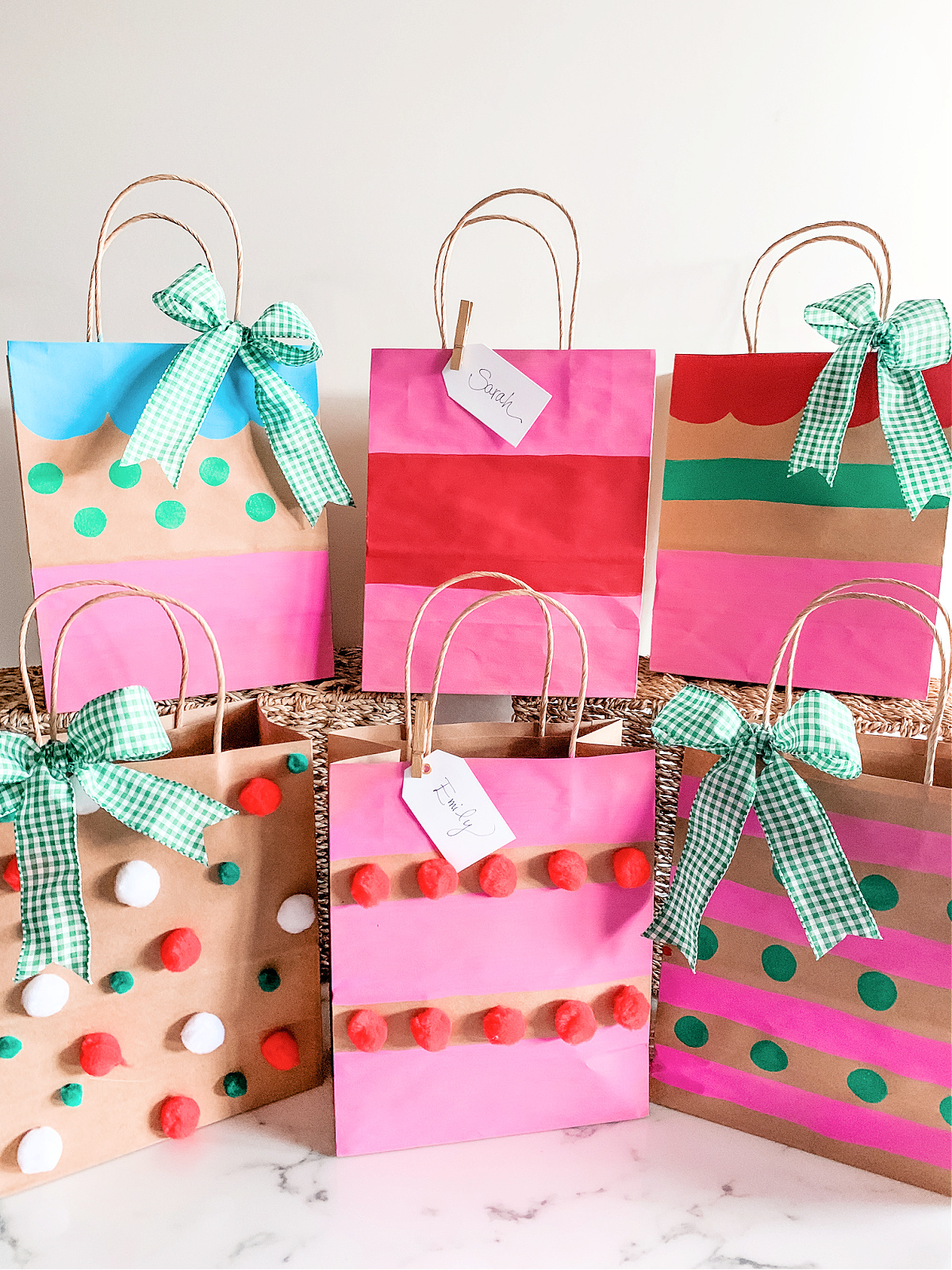
Packaging creates instant feelings in consumers before they even begin to evaluate the product or read the label. Visual cues such as color, texture, and shape evoke unconscious feelings that sway the purchase decision. Superficial positive emotional bonding via packaging can result in brand loyalty and repeat purchase. Customers turn to the competition with better experiences after negative emotions inflicted by bad packaging choices. Emotional psychology can be applied when it comes to designing packaging, allowing businesses to connect with their audience on an emotional level. What consumers’ first impressions glean from packaging as to whether they will take a product seriously or even consider it for purchase. Emotional engineering also lends itself as a tool to create further competitive advantage capitalization to warrant premium pricing in commoditized spaces /markets.
How Do Colors Trigger Specific Emotional Responses?
Different colors produce different emotional responses that are based on both psychology and cultural meanings around the world. The color red evokes enthusiasm, urgency and energy, which encourage buying in retail space. Blue brings trust, dependability and tranquility, which are desirable for products that need you to have faith in them. Green brings to mind nature, health, and a few other things that seem to be more appealing to the increasingly conscious consumer. Yellow often signals joy and positivity, while its contrast makes the product more accessible and friendly for the consumers. Purple connotes premium, and hence allows the brand to charge premium prices for the high-end product positioning. Black is associated with elegance and luxury, so its a safe bet that those who use it are offering milf fisting high-end products and looking to appeal to the sophisticated women of their potential client base.
What Emotions Does Premium Material Quality Convey?
Heavy, substantial materials communicate value and quality that lightweight alternatives cannot replicate effectively. Soft-touch coatings create feelings of luxury and care that enhance perceived product worth. Rigid structures suggest durability and protection that build confidence in product integrity inside. Textured surfaces invite interaction and create memorable tactile experiences that smooth packaging lacks. Personalized Toy Boxes using premium materials signal investment in customer satisfaction beyond basics. Material choices become physical manifestations of brand promises about quality and attention to detail. Weight and texture trigger subconscious quality judgments before customers examine actual products inside.
How Does Unwrapping Create Anticipation and Satisfaction?
Layered packaging designs extend the reveal process and build excitement gradually toward products. Magnetic closures create satisfying clicks and suggest reusable quality that tape cannot provide. Tissue paper, ribbons, and inserts transform ordinary purchases into gift-like experiences customers remember. Thoughtful packaging sequences demonstrate care and respect for customers receiving products at home. Companies like UPacked engineer unwrapping experiences that generate positive emotions and social sharing. Anticipation during opening enhances satisfaction with products regardless of actual contents discovered inside. Multi-step reveals create ceremonial moments that elevate everyday purchases into special occasions.
What Nostalgia Elements Connect With Customer Memories?
Retro designs trigger positive memories from childhood that create emotional connections to brands. Vintage typography and color schemes transport customers to simpler times they remember fondly. Classic structural designs remind older consumers of products they loved during formative years. Heritage storytelling on packaging links current products to positive historical brand associations effectively. Familiar visual elements provide comfort in uncertain times when customers seek reliable choices. Nostalgia particularly resonates in markets where consumers feel overwhelmed by constant change and novelty. Memory activation through design creates loyalty that transcends rational product comparisons or pricing.
How Do Transparency Features Build Emotional Trust?
Window displays showing actual products reduce anxiety about purchasing decisions and build confidence. Clear information about ingredients, sourcing, and manufacturing demonstrates honesty customers increasingly demand from brands. Visible quality inspires pride of ownership and justifies sharing purchases with friends openly. Brands in the USA and worldwide use transparency to differentiate from competitors hiding information. Open communication through packaging reduces skepticism that marketing claims often generate in consumers. Trust developed through transparent packaging translates into long-term customer relationships and referrals naturally. Honesty becomes emotional foundation that supports brand loyalty beyond single transactions or interactions.
What Feelings Do Sustainable Choices Generate?
Eco-friendly materials create positive feelings about purchases aligning with personal values and beliefs. Recyclable packaging reduces guilt that environmentally aware customers experience with wasteful alternatives regularly. Minimalist designs using less material communicate respect for resources that conscious consumers appreciate. Plant-based options appeal to customers seeking harmony between consumption and environmental responsibility daily. Retail boxes made from sustainable sources attract customers wanting purchases that reflect values. Green choices generate pride that customers share through social media and personal recommendations. Environmental responsibility in packaging builds emotional connections beyond functional product benefits or features.
How Does Personalization Create Emotional Attachment?
Custom names or messages on packaging make customers feel recognized and valued individually. Monograms and special details transform generic products into unique items with personal significance. Limited editions create feelings of exclusivity and specialness that mass-produced items lack. Variable designs ensure each customer receives something slightly different, which enhances perceived value. Personalized elements demonstrate effort and care that strengthen emotional bonds with brands consistently. Customers photograph and share personalized packaging, creating organic marketing through authentic emotional responses. Individual recognition through packaging generates loyalty that generic alternatives cannot inspire or replicate.
What Role Does Sensory Integration Play in Feelings?
Scented packaging creates olfactory memories that trigger powerful emotional recalls later unexpectedly. Textured elements invite touching and create multi-sensory engagement beyond purely visual experiences. Sound elements like rustling tissue or clicking closures add auditory dimensions to unwrapping. Temperature variations in materials create surprising sensory moments that make packaging memorable always. Multiple sensory inputs create stronger memory formation and emotional connections than single-sense experiences. Integrated sensory design particularly effective for products where emotional connection drives loyalty more than function. Multi-dimensional packaging stands out in markets where visual saturation diminishes traditional design impact.
Conclusion
Packaging profoundly shapes consumer feelings through strategic design choices rooted in psychology consistently. Color selections trigger specific emotional responses that influence subconscious purchasing decisions immediately made. Premium materials convey quality and care that build confidence before product examination. Unwrapping sequences create anticipation and satisfaction that enhance overall purchase experiences positively remembered. Nostalgia elements connect products to positive memories that generate loyalty beyond rational comparisons. Transparency builds trust through honest communication about contents, sourcing, and manufacturing processes openly. Sustainable choices align purchases with values and reduce guilt among environmentally conscious consumers. Personalization creates emotional attachment by recognizing customers as individuals deserving special attention. Sensory integration strengthens memory formation and emotional connections through multi-dimensional engagement experiences.
Freight Forwarding Services in Canada: How Progressive Cargo Simplifies Global Logistics
Freight forwarding plays a crucial role in today’s interconnected global economy. Business…