
Restaurant kitchens face constant pressure to serve beautiful looking plates every single hour. Maintaining consistent presentation quality requires systems that work during rush hours and slow periods. Daily practices create habits that turn good plating into automatic actions for staff. Dish visual appeal depends on preparation work done hours before customers arrive at restaurants. Smart kitchen managers build routines that make beautiful plating easier rather than harder. Training new cooks takes time but creates long term benefits for business reputation. Regular quality checks catch problems before plates leave kitchen doors for dining rooms. Understanding which practices work best helps restaurants compete in tough markets successfully.
How Does Prep Work Impact Presentation Quality Throughout Service?
Morning preparation determines what cooks can accomplish during busy dinner service hours later. Washing and cutting garnishes ahead saves time when orders pile up quickly. Pre-portioned sauces in squeeze bottles help cooks add precise amounts to plates. Dish visual appeal stays consistent when mise en place gets completed properly before opening. Storing prepped ingredients at correct temperatures keeps them fresh and colorful all day. Wilted herbs and brown lettuce ruin plating faster than almost any other mistake. Professional kitchens organize prep stations so everything needed sits within arm’s reach. This organization prevents rushing that leads to sloppy plating and unhappy customers.
Why Must Restaurants Establish Clear Plating Standards For Every Menu Item?
Written guidelines with photos show exactly how each dish should look when finished. New staff members learn faster when they can reference pictures during training shifts. Standards prevent arguments about what counts as acceptable plating during stressful service times. Dish visual appeal suffers when different cooks interpret recipes differently on various days. Managers should photograph perfect examples of each menu item for reference binders. These binders live in kitchens where all staff can check them quickly. Updating photos when menu items change keeps standards current and relevant always. Consistent standards mean customers get similar experiences whether they visit Mondays or Saturdays.
What Role Does Plate Selection Play In Daily Presentation Success?
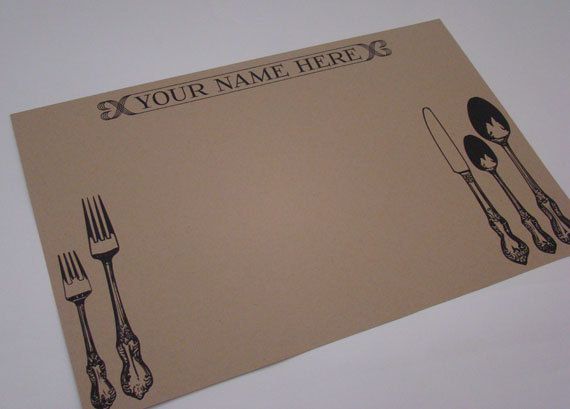
Choosing right plate colors and sizes makes ingredients stand out or disappear completely. White plates remain most popular because they make food colors look brighter. Black plates work well for lighter colored dishes that need dramatic contrast. Using printed custom paper placemats for restaurants adds professional touches that customers notice immediately. Plate sizes must match serving amounts or food looks lost or overcrowded. Chipped or stained plates destroy dish visual appeal faster than poor cooking does. Daily inspections catch damaged plates before they reach customers and cause complaints. Investing in quality dishware pays off through better presentation and fewer replacements needed.
How Can Kitchen Lighting Affect Plating Accuracy And Consistency?
Bright overhead lights help cooks see the true colors of ingredients they arrange. Poor lighting causes mistakes that look obvious once plates reach well lit dining rooms. Yellow lighting makes food look unappetizing and changes how colors appear together. Installing proper task lighting over plating stations improves accuracy during all shifts worked. Cooks working in dim kitchens cannot spot smudges or mistakes before serving. Natural daylight bulbs show colors most accurately compared to regular fluorescent options available. Regular bulb replacement prevents gradual dimming that staff might not notice over time. Good lighting costs little but improves quality control significantly across entire operations daily.
Why Should Managers Conduct Regular Plate Checks During Service Hours?
Spot checks during rushes ensure standards stay high when pressure builds on staff. Catching problems early lets managers retrain before bad habits become normal practice. Dish visual appeal drops when nobody monitors quality during busy weekend dinner services. Quick feedback helps cooks correct mistakes immediately rather than repeating them all night. Managers who check plates show they care about quality and customer satisfaction. This attention motivates staff to maintain pride in their work even when tired. Random checks work better than predictable schedules that let staff relax between inspections. Consistent monitoring creates a culture where excellent plating becomes expected rather than exceptional.
What Training Methods Build Strong Plating Skills In New Staff?
Hands-on practice with immediate feedback teaches faster than verbal instructions alone do. New cooks should plate practice dishes before serving real customer orders during shifts. Experienced staff members mentor newcomers by demonstrating proper techniques and explaining reasons why. Breaking complex plating into simple steps makes learning easier for beginners starting out. WaxPapersHub provides resources that help restaurants train staff on presentation best practices. Video recordings of perfect plating let new hires review techniques at home. Regular skill assessments identify which staff members need additional coaching or support. Investing in thorough training reduces waste from rejected plates and unhappy customers.
How Does Ingredient Quality Affect Daily Presentation Possibilities And Limitations?
Fresh produce looks vibrant while old vegetables appear dull and unappealing to diners. Sourcing quality ingredients gives cooks better materials for creating attractive plates daily. Dish visual appeal starts with shopping decisions made days before customers order anything. Restaurants in Canada face seasonal limitations that require menu adjustments throughout each year. Wilted greens and bruised fruits should never reach plates regardless of cost pressures. Daily ingredient inspections catch quality problems before prep work begins in kitchens. Building relationships with reliable suppliers ensures consistent quality that always makes plating easier. Cheap ingredients often cost more through customer complaints and negative online reviews later.
Why Must Cleaning Standards Extend Beyond Just Cooking Surfaces And Equipment?
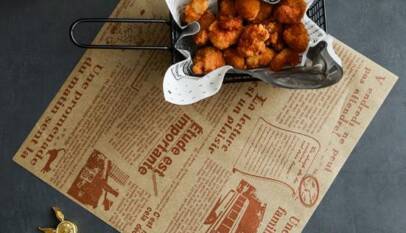
Spotless plate rims show professionalism that customers associate with overall restaurant quality levels. Grease spots and fingerprints on dishware look careless and hurt business reputations quickly. Using food paper under certain items keeps plates cleaner during plating and transport. Clean workstations help cooks focus on presentation rather than working around messes constantly. Dried sauce on bottle tops transfers to plates and creates ugly smears. Daily deep cleaning of all plating tools maintains sanitation and improves visual results. Staff should wipe each plate rim before passing it for final inspection. These small details separate ordinary restaurants from ones customers recommend to friends regularly.
Conclusion
Maintaining high standards every single day builds reputations that drive long term success. Customers return when they know they can expect consistent quality regardless of when they visit. Staff take pride in their work when management supports excellence through proper systems. Beautiful plating becomes easier when preparation and organization get priority attention always. Simple daily practices compound into major competitive advantages in crowded restaurant markets everywhere.
Freight Forwarding Services in Canada: How Progressive Cargo Simplifies Global Logistics
Freight forwarding plays a crucial role in today’s interconnected global economy. Business…