

Customers judge freshness through visual signs long before tasting any items purchased anywhere. Bright colors and crisp textures signal recently harvested or prepared products to shoppers. Multiple sensory signals combine to create overall impressions about food quality and safety. Fresh food perception drives purchasing decisions at grocery stores and restaurants daily throughout. Poor freshness indicators make customers reject products regardless of actual safety or taste. Understanding perception factors helps businesses maintain standards that build trust and encourage repeat. Strategic attention to freshness signals protects brands and reduces waste from rejected products.
How Do Visual Cues Signal Quality?
Vibrant produce colors indicate proper ripening and recent harvest from farms or suppliers. Wilted leaves or brown spots suggest extended storage that reduces nutritional value significantly. Clear wrapping allows customers to inspect products closely before making final purchase decisions. Condensation inside wraps can signal temperature problems during transportation or improper storage practices. Glossy surfaces on proteins show moisture retention that indicates proper handling throughout supply. Dull or dry appearances suggest oxidation from air exposure over extended time periods. Shoppers in CA rely heavily on visual assessment when selecting items at stores.
Why Does Smell Influence Purchase Decisions?
Pleasant aromas from baked goods attract customers and signal recent preparation in kitchens. Sour odors indicate bacterial activity that makes products unsafe for consumption by anyone. Fresh herbs release natural oils that communicate quality and proper storage to customers. Off smells override positive visual signals and cause immediate rejection of questionable items. Neutral scents work for many products while strong odors raise concerns about freshness. Clean display areas prevent odor contamination between different product types stored nearby together. Smell provides critical safety information that customers process faster than conscious thought occurs.
Can wrapping Affect Freshness Perception Strongly?
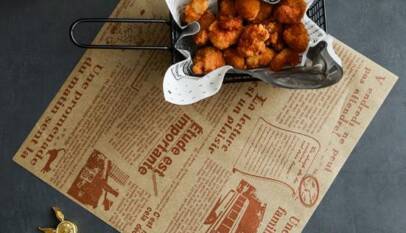
Modern materials protect products from damage while maintaining optimal moisture levels throughout distribution. Vacuum sealing removes oxygen that speeds spoilage and discoloration in many food types. Clear windows let shoppers examine actual products without opening sealed protective wrapping completely. Date stamps provide objective information about production timing that reduces guessing from customers. Using deli papers helps maintain proper moisture while preventing direct contact with display surfaces. Professional wrapping creates positive first impressions that encourage customers to examine products closer. Poor wrapping raises doubts about whether contents remained uncontaminated during handling and transport.
How Does Temperature Control Maintain Quality?
Proper refrigeration slows bacterial growth that would otherwise ruin perishable items within hours. Ice displays for seafood demonstrate commitment to maintaining cold chain integrity throughout sales. Room temperature products need stable conditions to prevent accelerated aging or spoilage occurring. Hot holding cases keep prepared foods at safe temperatures while signaling freshness visually. Temperature abuse during transport creates conditions where quality deteriorates faster than normal rates. Customers touch wraps to verify proper cooling before adding items to shopping carts. Consistent temperature management prevents quality loss that damages brand reputations over extended periods.
Why Does Display Organization Matter for Trust?
Neat arrangements suggest careful handling and attention to product rotation throughout day operations. Front-facing labels allow easy reading of dates and ingredient information by all shoppers. Regular restocking prevents empty spots that make displays look neglected or poorly managed. Clean shelving shows ongoing maintenance that customers associate with overall hygiene standards maintained. WaxPapersHub provides solutions that help businesses maintain organized and professional display areas. Separated product types prevent cross-contamination and make shopping easier for busy customers. Organization signals professionalism that builds confidence in food safety practices behind closed doors.
Can Staff Behavior Influence Perception Daily?
Knowledgeable employees answering questions about sourcing build trust in product origins and handling. Proper glove usage during handling shows awareness of contamination risks that customers value. Quick removal of damaged or expired items demonstrates active quality monitoring throughout shifts. Friendly interactions create positive associations that extend to products themselves being sold. Staff appearance and cleanliness affect how customers judge overall establishment hygiene standards practiced. Training on proper rotation ensures oldest products sell first before quality deteriorates noticeably. Employee behavior either reinforces or undermines freshness messages businesses communicate through other channels.
How Does Lighting Reveal Product Conditions?
Bright illumination shows true colors that help customers accurately assess ripeness or quality. Yellow lights can make products appear older or less fresh than actual condition. LED systems reduce heat output that would otherwise accelerate spoilage in nearby displayed items. Shadows hide defects that customers would notice under better lighting conditions provided everywhere. Natural daylight creates the most accurate color representation for produce and baked goods sold. Quality food paper products look cleaner and more professional under properly designed lighting. Good lighting investments reduce customer complaints about receiving items different from store appearances.
What Role Does Turnover Play Overall?
High-volume stores rotate inventory faster and maintain fresher products than slow-moving competitors nearby. Popular items sell quickly before age becomes a concern for quality-conscious customers shopping. Strategic pricing moves older stock before spoilage while maintaining profit margins on sales. Limited selections can indicate fresher options since everything sells before sitting too long. Overstocking creates situations where products age on shelves waiting for eventual purchase. Efficient supply chain management balances availability with turnover to optimize freshness always. Fresh food perception improves when businesses demonstrate products move quickly through their systems.
Conclusion
Fresh food perception combines visual assessment with smell and touch evaluation from customers. Bright colors and firm textures signal recent harvest or preparation that customers seek. Proper wrapping protects quality while allowing inspection that builds confidence before purchasing occurs. Temperature control prevents spoilage and maintains characteristics customers expect from different product categories. Organized displays demonstrate care and attention to rotation that keeps inventory moving properly. Knowledgeable staff behavior reinforces quality messages through proper handling and helpful customer interactions. Strategic lighting reveals true conditions and prevents hiding defects that would disappoint later.

Freight Forwarding Services in Canada: How Progressive Cargo Simplifies Global Logistics
Freight forwarding plays a crucial role in today’s interconnected global economy. Business…