
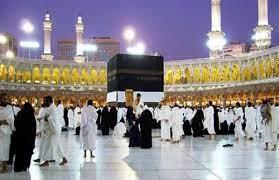
Ramadan is not only a sacred month for spiritual reflection and fasting but also a time when millions of Muslims commemorate the practices and traditions established by the Prophet Muhammad (peace be upon him). Among these practices, the Prophet’s own performance of Umrah during Ramadan stands as a significant event, offering insights into religious devotion, cultural continuity, and communal ethics. Understanding the legacy of the Prophet’s Ramadan Umrah sheds light on both historical contexts and modern practices, connecting faith, culture, and collective identity. This article explores the historical, cultural, and problem-solving dimensions of the Prophet’s Ramadan Umrah, highlighting its continued relevance in today’s world.
Historical Context of the Prophet’s Ramadan Umrah
The Prophet Muhammad (PBUH) performed Umrah during Ramadan as part of his broader spiritual mission and guidance for the Muslim community. These journeys were not just acts of worship but served multiple purposes:
- Spiritual instruction: Demonstrating the importance of devotion and adherence to Islamic rituals.
- Social cohesion: Bringing together Muslims from diverse tribes and regions.
- Cultural modelling: Establishing norms for ritual purity, conduct, and communal responsibility.
Historically, the Prophet’s Ramadan Umrah offered a framework for religious, social, and cultural life. By performing Umrah during Ramadan, he emphasised that spiritual dedication should coincide with communal solidarity and ethical conduct. These actions created precedents that would later influence generations of pilgrims performing Umrah during the holy month.
Spiritual and Cultural Significance
The spiritual significance of the Prophet’s Ramadan Umrah lies in its embodiment of devotion, discipline, and empathy. Pilgrims emulate his practices to enhance personal spirituality while fostering a sense of shared religious identity. The cultural significance is equally profound:
- Preservation of rituals and traditions
- Transmission of oral histories and prophetic guidance
- Strengthening intergenerational religious knowledge
By understanding the Prophet’s practices, contemporary pilgrims gain insight into the deeper meanings of Umrah rituals, including Tawaf (circumambulation of the Kaaba), Sa’i (walking between Safa and Marwah), and supplication during prayer. These rituals, performed during Ramadan, are especially revered because of the heightened spiritual atmosphere and historical legacy associated with the Prophet.
Micro-Level Insights: Pilgrims and Daily Practices
On a micro level, the Prophet’s Ramadan Umrah offers lessons for individual pilgrims regarding devotion, humility, and ethical conduct. Key practices observed and encouraged by the Prophet include:
- Consistency in prayer: Performing both obligatory and voluntary prayers diligently
- Charity and generosity: Sharing food during Iftar and caring for travellers and the needy
- Ritual purity: Observing cleanliness and respectful conduct in sacred spaces
- Patience and resilience: Undertaking long journeys with dedication and composure
These micro-level behaviours serve as a blueprint for contemporary pilgrims, enabling them to navigate both physical and spiritual challenges during Umrah. Pilgrims today continue to emulate these practices, ensuring that the Prophet’s legacy remains a living guide for personal and communal conduct.
Macro-Level Insights: Community and Cultural Cohesion
At a macro level, the Prophet’s Ramadan Umrah demonstrates the broader social and cultural impact of ritual practice. By undertaking the pilgrimage during Ramadan, the Prophet:
- Unified disparate communities under shared religious values
- Encouraged intercultural interactions among early Muslims from different regions
- Established a model of ethical leadership and communal responsibility
Modern Umrah pilgrims continue to experience these macro-level benefits. The convergence of Muslims from around the world during Ramadan mirrors the Prophet’s historical practice, fostering global cultural understanding, religious solidarity, and social cohesion. This demonstrates that the legacy of the Prophet’s Umrah is not only spiritual but also deeply intertwined with cultural identity and historical memory.
Problem-Solving Dimensions of the Prophet’s Ramadan Umrah
The Prophet’s Umrah also offers insights into problem-solving in both spiritual and practical contexts. Historical records indicate that he encountered logistical, social, and political challenges during his journeys. His approach to these challenges provides timeless lessons for contemporary pilgrims and communities:
- Strategic planning: Organising journeys to minimise fatigue and maximise worship efficiency
- Conflict resolution: Encouraging peace and cooperation among diverse groups
- Resource management: Ensuring equitable access to food, water, and accommodation for travellers
- Cultural adaptability: Respecting local customs while maintaining ritual integrity
These principles are mirrored in modern Umrah packages, which solve contemporary logistical and cultural challenges. Today, travel agencies integrate historical insights from the Prophet’s practices to create pilgrimages that are spiritually enriching and culturally respectful.
Educational and Cultural Impact
The Prophet’s Ramadan Umrah continues to influence educational and cultural initiatives within Muslim communities. Pilgrims, scholars, and religious educators emphasise:
- Historical storytelling: Sharing accounts of the Prophet’s journey to inspire devotion
- Cultural workshops: Teaching the significance of rituals, etiquette, and intergenerational traditions
- Interfaith dialogue: Highlighting shared values of compassion, discipline, and community solidarity
Through these educational channels, the Prophet’s legacy transcends time, shaping modern practices and reinforcing the cultural and historical richness of Ramadan Umrah.
Modern Relevance of the Prophet’s Ramadan Umrah
The Prophet’s legacy informs contemporary pilgrimage practices in several ways:
- Structured Umrah packages that integrate historical insights
- Focus on ethical tourism and responsible pilgrim conduct
- Emphasis on cultural exchange among international pilgrims
- Integration of spiritual reflection programs during Ramadan
Modern pilgrims benefit from these approaches by combining spiritual enrichment with practical and cultural awareness. By aligning contemporary practices with historical guidance, Umrah during Ramadan becomes both a personal and collective journey of faith and cultural understanding.
Bullet Points: Key Takeaways from the Prophet’s Legacy
- Spiritual Devotion: Emphasise prayer, fasting, and mindfulness during the pilgrimage
- Ethical Conduct: Demonstrate honesty, humility, and generosity
- Cultural Respect: Honour local customs while maintaining ritual integrity
- Community Building: Encourage solidarity and cooperation among diverse groups
- Educational Continuity: Preserve and transmit prophetic teachings and historical insights
- Problem-Solving Skills: Apply strategic planning, resource management, and adaptability to challenges
These takeaways not only enhance the individual pilgrim’s experience but also foster a globally connected, culturally sensitive, and spiritually enriched Muslim community.
Conclusion
The Prophet’s Ramadan Umrah is far more than a historical event—it is a multifaceted legacy encompassing spiritual devotion, cultural continuity, community cohesion, and practical problem-solving. Micro-level lessons teach pilgrims how to navigate personal rituals and ethical conduct, while macro-level insights illuminate the broader social and cultural impact of communal worship. Modern Umrah packages, educational programs, and cultural initiatives continue to draw inspiration from the Prophet’s practices, ensuring that this legacy remains relevant and accessible.
By studying and emulating the Prophet’s Ramadan Umrah, contemporary pilgrims connect with centuries of tradition while promoting spiritual growth, cultural understanding, and global community cohesion. The journey, therefore, is not only a pilgrimage of faith but also a bridge linking history, culture, and intergenerational wisdom—a living testament to the enduring legacy of the Prophet Muhammad (PBUH).
Freight Forwarding Services in Canada: How Progressive Cargo Simplifies Global Logistics
Freight forwarding plays a crucial role in today’s interconnected global economy. Business…