
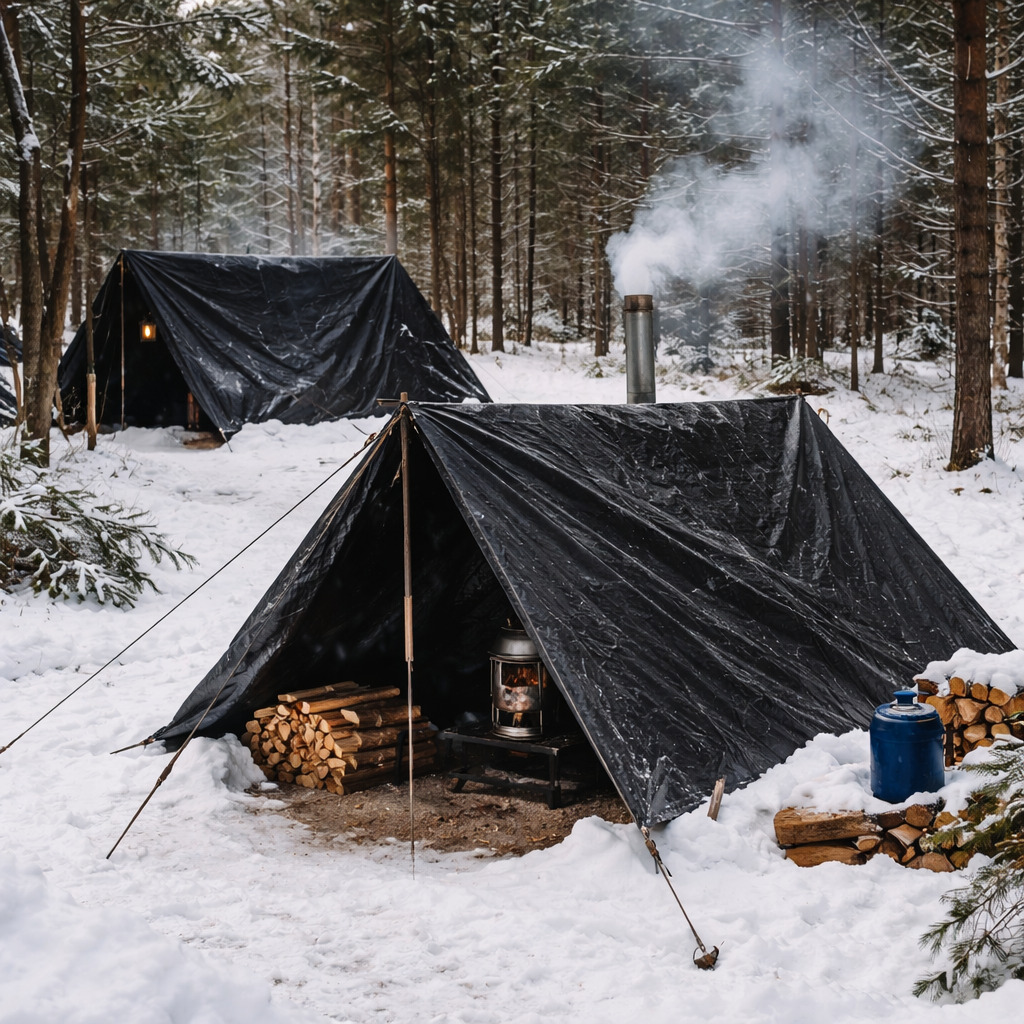
Winter involves severe conditions, and hence, people require immediate protection. Cold winds, snow, and rain may pose threats to survival. For this reason, temporary protection becomes necessary. Tarpaulin is flexible, durable, and easy to erect. Black Tarpaulin and heavy duty tarpaulin find various uses. Therefore, knowledge about their uses is imperative.
Choosing the Right Material for Winter Shelters
Choosing the appropriate material is very important for the effectiveness of a shelter. Black tarpaulin material absorbs sunlight, making it warm inside. In addition, it gives people privacy and helps the shelter blend with nature. Teared and pierced-resistant heavy-duty tarpaulin material will serve for a much longer period. In addition, waterproof paints make interior compartments remain dry.
Advantages of Black Tarpaulin
Black tarpaulins present several advantages when the environment is cold. For example, it is able to absorb heat effectively throughout the day. In addition, it prevents onlookers from viewing the occupants. As it merges naturally, the effect of wind is reduced. Therefore, black tarpaulins emerge as the best option. Hence, quick shelters usually consist of black tarpaulins.
Benefits of Heavy Duty Tarpaulin
Heavy Duty Tarpaulin performs admirably in extreme weather conditions. As it consists of thick layers, it does not tear easily. In addition to this, it does not allow wind to pass through, maintaining calm interiors too. Moreover, it can withstand the load of snow, preventing collapse as well. Hence, Heavy Duty Tarpaulin provides safety and endurance to the individual using it.
Preparing the Site for a Temporary Shelter
Shelter location is connected to both security and comfort. For example, standing ground avoids water accumulation. Moreover, removing debris and rocks guards against damage. Additionally, a gently sloped ground promotes good drainage. Thus, appropriate shelter location ensures shelters are safe and habitable.
Ground Insulation Techniques
Insulating the ground makes a huge impact in terms of heating up the indoors. For instance, using leaves, hay, or foam boards acts as insulation. In fact, laying heavy-duty tarpaulins underneath insulates by preventing moisture from getting in. This makes shelters warmer and drier. Insulation also protects the floor from frost formation.
Constructing a Basic Tarpaulin Shelter
The process of construction starts with folding and fixing the tarpaulin. After that, use robust ropes or bungee cords for anchoring purposes. Black tarpaulin is ideal for covering open areas. Heavy-duty tarpaulin makes up the top of the structure or shelter. After that, stretch it tightly to allow prevention of sagging. As a result, it will withstand wind and snow forces.
Lean-To Design Using Tarpaulin
Lean-to shelters retain their simplicity and functionality. For instance, one corner of the tarp is fastened to a tree or pole. Subsequently, fasten the opposite corner to the ground. Thus, one will be shielded from the elements and wind. Further, heavy-duty tarpaulins are capable of Withstanding strong wind. Therefore, lean-to shelters are put up as emergencies.
A-Frame Shelter Construction
A-frame shelters prevent snow accumulation effectively. Two poles hold the top while tarp covers the sides. Furthermore, Tarp absorbs sunlight in the shelter. Additionally, the edges of the shelter prevent wind from lifting. Snow is supported by Heavy Duty Tarpaulin, hence stability in A-frames.
Enhancing Shelter Stability and Comfort
Shelters combine functionality and stability. First, anchor all corners to prevent flapping. Then, add ropes or stakes to support weak points. Furthermore, insulation enhances warmth. Also, overlap edges to block snow from entering. Thus, minor adjustments make shelters livable even during storms.
Creating an Entryway with Tarpaulin
Entering the tent requires protection against cold and wind. Folding a flap, for example, facilitates entry. Additionally, black tarp covers the tent effectively, and this minimizes heat loss. Furthermore, pegging down the tent prevents excessive movement. Thus, the entry point remains usable and retains warmth.
Interior Organization Techniques
Organizing the interior maximizes the use of space. Bedding consists of either foam or blankets for insulations. This is followed by organizing tools and materials on elevated platforms. In addition, heavy duty tarps serve as a divider. As a result, shelters are neat, safe, and convenient.
Safety Considerations When Using Tarpaulin
Safety is a big issue while building a winter shelter. Do not build around shaky trees or cliffs for example. Also, good ventilation avoids both condensation and suffocation. Black tarp retains heat; hence ventilation is needed. Again, heavy duty tarp provides support and protection without covering floors completely.
Fire Safety Inside Tarpaulin Shelters
Fire handling in dwellings calls for utmost care. For instance, always shield fire from tarp materials. In this case, only make use of small amounts of heat. Heavy duty tarp resists sparks, although flames can still ignite it. Therefore, through indirect application of heat, shelters are always safe.
Ventilation Tips
Ventilation helps in preventing the accumulation of moisture. For example, small openings around the top of the structure can allow air. Again, black tarp traps heat, but control of moisture through vents helps. Gently lift heavy duty tarp to let air in without collapsing it. This makes inhabitants healthy and comfortable.
Emergency Uses of Tarpaulin
The tarp is equally important in case of an emergency. A storm wall, for instance, is made from tarp. Black tarp serves as a private and light-shielding material. In addition, a heavy-duty tarp safeguards equipment from snow and rain. Lives can therefore be saved quickly using tarp shelters.
Using Tarpaulin for Group Shelters
Large tarps can easily accommodate a number of people. Corners that anchor provide ample space inside. In addition, black tarps increase heating effects due to sunlight absorption. Heavy duty tarps offer good structural integrity even with heavy snow. Thus, shelters created for groups offer prompt and effective cover.
Adapting Tarpaulin for Extended Use
In case of longer stay, tarp shelters have to be strengthened. Use additional poles or strings for extra support. Also, layer black tarp to improve insulation. Heavy-duty tarp is not prone to tearing. As a result, makeshift shelters can be made more habitable.
Maintenance and Storage of Tarpaulin
Maintenance prolongs the life of the tarp. For instance, clean the debris after each use. Next, handle the item cautiously to prevent weakening the folds. You can still use black tarp after it fades. Store heavy duty tarp properly to keep it in good condition.
Repairing Minor Damages
The Small tears are not difficult to repair. Waterproof adhesive or other tarp parts, for example, are helpful. Next, overlapping seams keep the water out. Heavy duty tarps might need more adhesive. Thus, repairs ensure productivity and safety. Read Best Blogs
Conclusion
Tarp is an effective protection during winter. Black tarp is able to absorb sunlight and also maintains privacy. Heavy-duty tarp is strong. Lean-to and A-frame are appropriate for different environments. Additionally, maintenance, insulation, and ventilation ensure increased levels of convenience and protection. Tarp shelters are therefore still effective in winter survival. One can be able to handle tarp and be ready for any weather conditions. As a result, temporary shelters maintain warmth, protection, and peace of mind.
Frequently Asked Questions
Q: What is the best tarpaulin for use in temporary shelters during winter?
Heavy-duty tarpaulins are more functional in providing strong protection. Black tarps are useful in retaining heat in sunny conditions. Both can be combined to get better strength and comfort.
Q: How can I create a shelter using a tarpaulin?
First, select a leveled spot that is elevated. Use ropes or stakes for securing the corners. Lean-to or A frames can be erected quickest. The heavy-duty tarps ensure stability in wind and snow conditions.
Q: Are tarpaulin tents capable of warming me during the winter?
Yes. The black tarp has the ability to absorb sunlight, thus providing some heat. Having insulation material like foam or leaves below the floor increases the heat level. Sealing the structure properly reduces heating losses.
Q: What can I do to ensure that snow doesn’t cave in my shelter?
Construct the roof using heavy duty tarp. Stretch and fit the material tightly. Clear accumulated snow regularly. The A-frame structure is the most appropriate for snow conditions.
Q: Why is ventilation important for tarpaulin shelters?
Absolutely. It prevents condensation and suffocation. The small opening in top or side regulates air for fresh supply. The black tarp prevents warming, and the vent is effective in humidity control.
Freight Forwarding Services in Canada: How Progressive Cargo Simplifies Global Logistics
Freight forwarding plays a crucial role in today’s interconnected global economy. Business…