
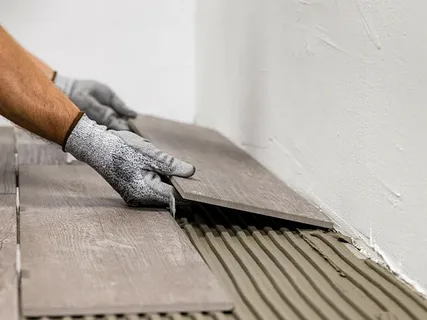
In modern construction and renovation projects, maintaining structural integrity and achieving durable finishes are equally important. Structural repairs ensure the safety and stability of buildings, while tile adhesives & grouts provide strong bonding and long-lasting surface performance. Together, these solutions play a vital role in extending the life of structures and enhancing their functionality and appearance. From aging infrastructure to new construction, the correct selection and application of repair materials and tiling systems is essential for long-term success.
Understanding Structural Repairs
Structural repairs involve restoring damaged or weakened elements of a building to their original strength and functionality. Over time, structures may deteriorate due to environmental exposure, water ingress, corrosion of reinforcement, poor construction practices, or overloading. Structural repair solutions address issues such as cracks in concrete, spalling, reinforcement corrosion, and foundation settlement. These repairs not only restore strength but also prevent further deterioration, ensuring the safety and durability of the structure.
Common Causes of Structural Damage
Structural damage can occur for several reasons, including moisture penetration, chemical attack, thermal movement, and aging of materials. Corrosion of steel reinforcement is one of the most common causes, leading to cracking and spalling of concrete. Seismic activity and heavy loads can also cause structural stress and damage. Early identification and timely structural repairs help minimize risks and reduce the cost of major rehabilitation in the future.
Structural Repair Methods and Materials
There are various methods used in structural repairs depending on the extent and type of damage. These include crack injection using epoxy or polyurethane resins, concrete patch repair using polymer-modified mortars, and corrosion protection systems for steel reinforcement. In more severe cases, strengthening techniques such as jacketing, fiber-reinforced polymer (FRP) wrapping, or section enlargement may be required. Proper surface preparation and the use of compatible repair materials are critical to achieving durable and effective repairs.
Introduction to Tile Adhesives & Grouts
Tile adhesives & grouts are essential materials used for installing tiles on floors and walls. Tile adhesives provide a strong bond between tiles and substrates such as concrete, plaster, or existing tiles. Grouts fill the joints between tiles, enhancing structural stability, water resistance, and aesthetics. Modern tile fixing systems have largely replaced traditional cement-sand methods, offering improved adhesion, flexibility, and performance.
Types of Tile Adhesives
Tile adhesives are available in various formulations to suit different applications. Cement-based tile adhesives are commonly used for ceramic and porcelain tiles in residential and commercial spaces. Polymer-modified adhesives offer enhanced flexibility and bonding strength, making them suitable for large-format tiles and areas subject to movement. Epoxy tile adhesives are used in industrial environments where chemical resistance and high strength are required. Choosing the right adhesive ensures proper tile installation and long-term durability.
Role of Grouts in Tile Installation
Grouts play a critical role in tile installations by filling gaps between tiles and preventing moisture penetration. Cementitious grouts are widely used for standard applications due to their ease of use and cost-effectiveness. Epoxy grouts provide superior chemical resistance, stain resistance, and durability, making them ideal for industrial kitchens, laboratories, and healthcare facilities. Grouts also contribute to the overall appearance of tiled surfaces by providing uniform joint lines and color consistency.
Benefits of Quality Tile Adhesives & Grouts
Using high-quality tile adhesives and grouts offers several benefits. They improve bonding strength, reduce tile movement, and minimize the risk of cracks or debonding. Flexible adhesives accommodate thermal and structural movement, ensuring long-lasting performance. Water-resistant and chemical-resistant grouts enhance hygiene and ease of maintenance. These materials also speed up installation and reduce long-term repair and maintenance costs.
Integration of Structural Repairs and Tiling Systems
In renovation and rehabilitation projects, structural repairs often precede tile installation. Repairing cracks, leveling surfaces, and strengthening substrates create a stable base for tiling. Proper integration of repair materials with tile adhesives and grouts ensures compatibility and durability. This coordinated approach results in structurally sound and visually appealing finishes, especially in areas such as bathrooms, kitchens, balconies, and industrial floors.
Maintenance and Long-Term Performance
Regular inspection and maintenance are essential to preserve both structural repairs and tiled surfaces. Monitoring repaired areas for new cracks or signs of distress helps ensure ongoing structural safety. Proper cleaning and maintenance of tiled surfaces and grout joints extend their lifespan and appearance. With correct installation and care, structural repair systems and tile adhesives & grouts can provide reliable performance for many years.
Conclusion
In conclusion, structural repairs and tile adhesives & grouts are fundamental components of safe, durable, and high-quality construction. Structural repairs restore and strengthen buildings, while advanced tile fixing systems ensure long-lasting and attractive finishes. By selecting appropriate materials and applying them correctly, builders and property owners can enhance both the structural integrity and aesthetic value of their projects, ensuring sustainability and long-term performance.
Freight Forwarding Services in Canada: How Progressive Cargo Simplifies Global Logistics
Freight forwarding plays a crucial role in today’s interconnected global economy. Business…