
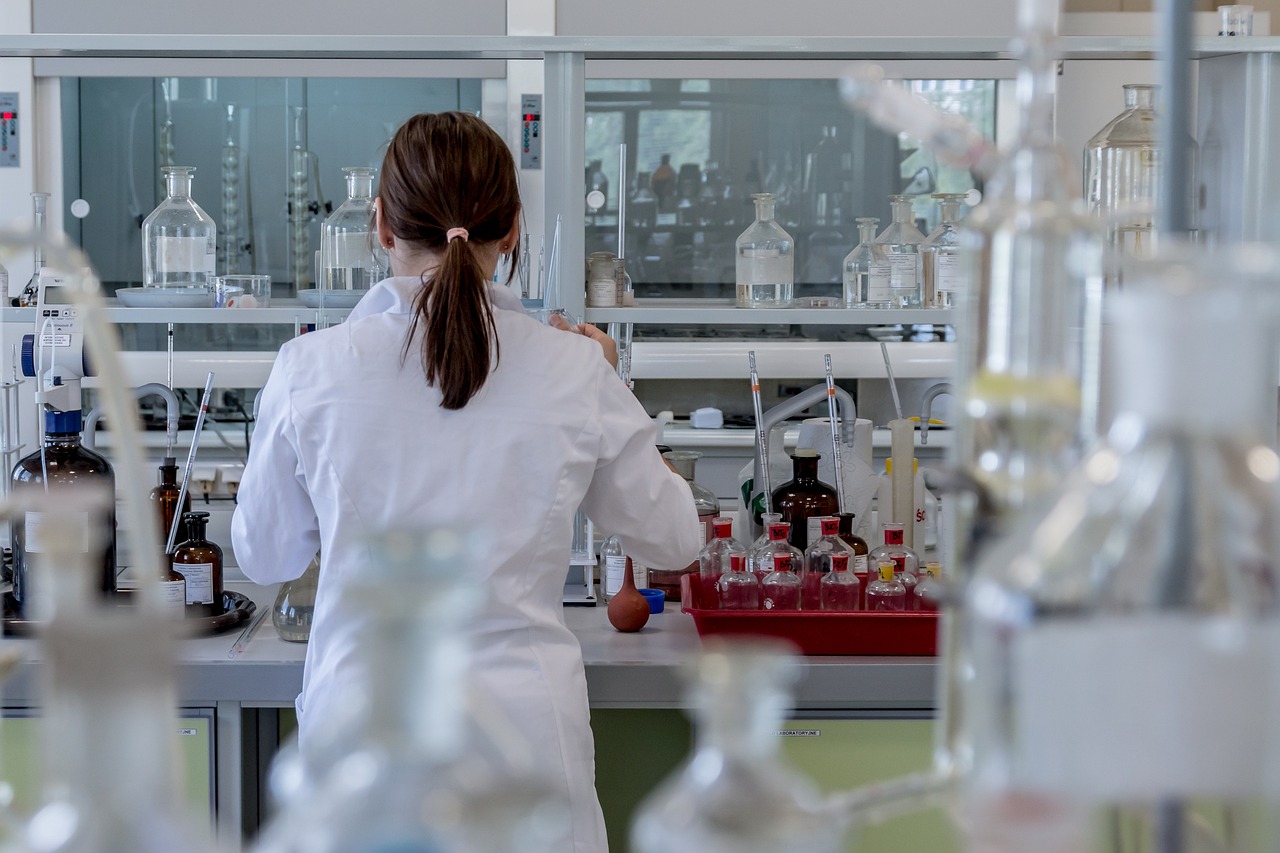
Scientific equipment encompasses the tools and instruments essential for conducting experiments, collecting data, and advancing research across various fields. It ranges from small consumables like pipette tips and centrifuge tubes to large instruments such as freezers, incubators, and microscopes. These tools are critical for accurate measurement, reliable results, and efficient workflows in laboratories worldwide.
The choice of scientific equipment depends on specific research needs, with reliable brands and suppliers offering a broad range of products for educational, pharmaceutical, biotechnology, and industrial labs. Quality and precision in equipment directly impact the validity of scientific findings and the safety of lab environments.
Laboratories invest in equipment that supports innovation and discovery, often requiring fast delivery and trusted support to stay productive. By selecting the right instruments, labs can ensure consistent performance and meet the demands of modern research and development.
Types of Scientific Equipment
Scientific equipment includes specialized tools that enable precise measurement, observation, and experimentation. These instruments vary by function, from facilitating chemical reactions to capturing detailed images or collecting data in the field.
Laboratory Instruments
Laboratory instruments are designed for controlled environments where chemical, biological, or physical experiments take place. Common examples include Bunsen burners, microscopes, beakers, and pipettes. These tools help manipulate substances safely and accurately.
Precision is critical; devices like analytical balances measure mass with high accuracy, while centrifuges separate components based on density. Safety features, such as heat-resistant materials and enclosed chambers, protect users during experiments. Proper calibration and regular maintenance ensure reliable results.
Instruments also vary by discipline. For chemistry, glassware and reaction vessels dominate. Biology labs rely heavily on microscopes and incubators. Physics labs might employ oscilloscopes or spectrometers.
Analytical Devices
Analytical devices identify and quantify materials to characterize samples. Key instruments include spectrophotometers, chromatographs, and mass spectrometers. These tools analyze molecular composition, purity, and concentration.
Spectrophotometers measure light absorption at specific wavelengths, useful in chemistry and biochemistry. Chromatographs, such as gas or liquid chromatography, separate complex mixtures for detailed analysis. Mass spectrometers detect molecular masses, aiding in identifying unknown substances.
Accuracy and sensitivity are paramount. Advanced software often integrates with these devices, improving data processing and result interpretation. Analytical devices are critical for quality control, environmental monitoring, and pharmaceutical development.
Imaging Tools
Imaging tools capture visual data to study structures not visible to the naked eye. Microscopes, including optical, electron, and confocal types, vary by magnification and resolution capabilities.
Optical microscopes use light to examine cells and small organisms. Electron microscopes employ electron beams to reveal nanoscale details of materials or biological specimens. Confocal microscopes provide 3D images by focusing light at specific depths.
Other imaging equipment includes X-ray machines and MRI scanners, primarily used in medical and material sciences. Imaging tools combine technical precision with diverse techniques to enable detailed observations critical to research and diagnostics.
Field Equipment
Field equipment supports scientific data collection outside the controlled lab environment. These tools must be portable, durable, and often resistant to environmental factors like moisture and temperature changes.
Common examples include GPS devices for location tracking, soil probes for sampling, and portable spectrometers for onsite chemical analysis. Weather stations and water quality sensors also provide real-time environmental data.
Field equipment enables studies in ecology, geology, and environmental science. Reliability and ease of use are essential since conditions vary widely in the field. Many tools feature digital interfaces to store and transfer data efficiently, improving overall research workflow.
Choosing and Maintaining Scientific Equipment
Selecting scientific equipment requires careful consideration of factors like functionality, durability, and cost. Maintaining these tools ensures precision, extends lifespan, and supports safe laboratory practices.
Selection Criteria
Choosing appropriate scientific equipment begins with defining the research needs precisely. Key criteria include accuracy requirements, compatibility with existing systems, and sample type or volume.
Budget constraints play a role but should balance quality and longevity. Reliable vendors offering warranty and support services are preferable. Equipment that meets industry standards or certifications indicates higher reliability and safety.
Consider instrument size and space availability as well as ease of use, serviceability, and availability of spare parts. User training and operational complexity influence selection, especially in labs with varied skill levels.
Calibration and Validation
Calibration is fundamental to ensuring equipment produces accurate, reproducible results. It involves comparing instrument outputs against known standards and adjusting accordingly.
Regular calibration schedules should be documented and aligned with manufacturer recommendations or regulatory requirements. Validation confirms that the equipment performs as intended under routine conditions.
Both processes require precise records to support data integrity in experiments. Using certified calibration tools and involving trained personnel minimizes errors and downtime.
Routine Maintenance
Routine maintenance covers cleaning, inspection, lubrication, and performance checks. This prevents malfunctions and maintains equipment efficiency.
Maintenance frequency varies by instrument type but generally includes daily cleaning of sensitive parts, periodic deep inspections, and timely replacement of worn components.
Implementing a maintenance log system facilitates tracking performed tasks and scheduling future actions. Handling equipment according to manufacturer guidelines reduces wear and tear, preventing costly repairs.
Safety Considerations
Safety is integral to equipment selection and upkeep. Choosing instruments with built-in safety features reduces risk during operation.
Proper installation, grounding, and regular safety inspections help avoid electrical hazards. Personal protective equipment is essential when handling dangerous materials or devices.
Chemical compatibility, ventilation requirements, and emergency shutoff mechanisms must be evaluated. Staff should receive training on equipment-specific risks and correct emergency procedures to maintain a secure laboratory environment.
BlogBuzzNews Essential Insights for Staying Updated in 2025
BlogBuzzNews is a digital platform that delivers timely and relevant updates across variou…