
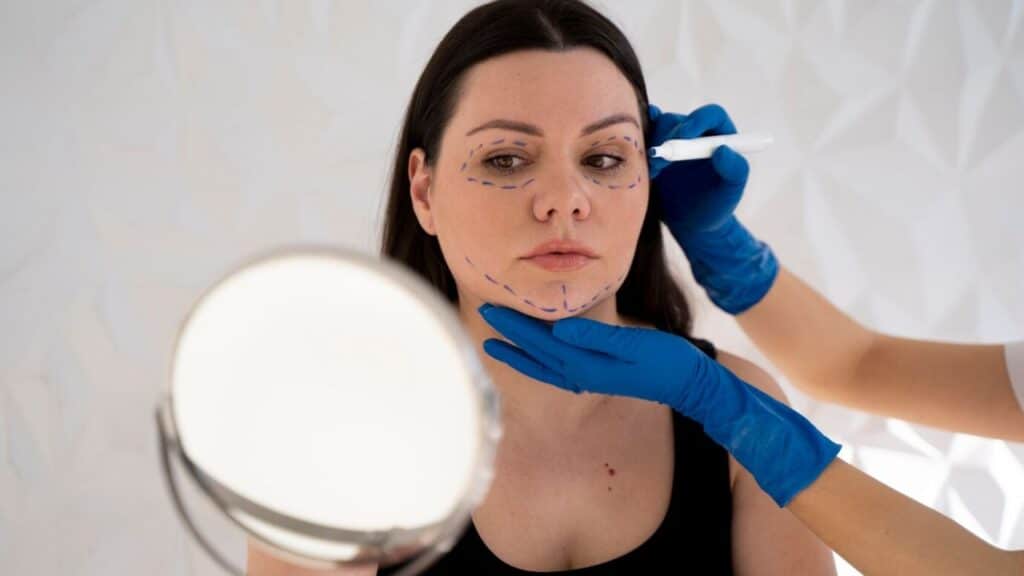
The field of aesthetic dermatology has witnessed the emergence of a novel category of regenerative treatments known as polynucleotide therapy. Promising to go beyond traditional anti-ageing solutions like dermal fillers and neurotoxins, polynucleotide treatment represents a new paradigm in skin repair — one that works at a deep cellular level to restore healthy, youthful skin from the inside out. But what exactly are polynucleotides, how do they work, and why are they being hailed as a breakthrough in skin repair technology?
What Are Polynucleotides?
Polynucleotides are long chains of nucleotide molecules — the same basic building blocks that make up the DNA and RNA of living organisms. In aesthetic medicine, highly purified forms of these molecules are used in injectable treatments designed to stimulate the skin’s natural repair and regenerative processes. The polynucleotides in most clinical applications are derived from natural sources such as salmon or trout DNA, purified to be biocompatible with human tissue.
Unlike conventional skin boosters that simply add volume or temporarily fill lines, polynucleotide treatments are biostimulatory: they act as a sort of “biological signal” that tells the skin to repair itself more effectively.
How Polynucleotide Therapy Works
The core mechanism behind polynucleotide treatment lies in cellular stimulation and regeneration:
Fibroblast Activation: Polynucleotide injections target fibroblasts — the skin cells responsible for producing critical structural proteins like collagen and elastin. By stimulating these cells, polynucleotides encourage increased synthesis of these proteins, which are essential for skin firmness, elasticity, and smoothness.
Hydration and Barrier Support: Polynucleotides have the ability to attract and bind water molecules, promoting deep structured hydration in the dermis rather than superficial moisture on the skin’s surface. This helps reduce dryness and enhances suppleness.
Inflammation Reduction: These molecules also exhibit anti-inflammatory and antioxidant properties, which can calm irritation, reduce redness, and protect skin cells from oxidative stress caused by environmental factors like UV exposure and pollution.
Enhanced Cellular Turnover: By promoting healthier cellular turnover and repair, polynucleotide therapy helps the skin recover from micro-damage, improving texture, tone, and overall vitality.
Taken together, these mechanisms help shift skin aging from a passive decline toward an active regeneration process, making polynucleotides one of the most promising advancements in regenerative skin care.
Clinical Evidence and Research
While polynucleotide therapy is still relatively new compared to well-established treatments, a growing body of clinical research supports its efficacy:
A systematic review found polynucleotide injections can improve skin texture, reduce wrinkle depth, and enhance elasticity, with positive outcomes in several studies.
A peer-reviewed study on PN-HPT (a highly purified form of polynucleotide) showed significant improvements in skin surface characteristics, firmness, radiance, and pigmentation, with continued benefits up to six months after treatment.
Other clinical reports note that polynucleotide therapy can aid in the remodeling of acne scars, wound healing, and even hair regeneration, due to its biostimulatory effects on tissue repair and cell growth.
These results, while encouraging, are often from small to moderate-scale studies. Larger, high-quality clinical trials are still needed to fully establish optimal treatment protocols, long-term outcomes, and standardized best practices.
Benefits of Polynucleotide Treatment
Polynucleotide therapy is often marketed as a natural and long-lasting alternative to traditional cosmetic injectables because it encourages the skin to heal itself, rather than superficially altering appearance. Key benefits reported include:
Reduction of Fine Lines and Wrinkles: By boosting collagen and elastin production, polynucleotides improve skin firmness and reduce visible signs of aging.
Improved Skin Texture and Tone: Enhanced cell turnover and hydration help produce smoother, more even skin.
Deeper Hydration: Polynucleotides support moisture retention at a structural level, resulting in plumper, more supple skin.
Anti-Inflammatory Effects: These treatments can soothe sensitive or irritated skin and reduce redness.
Support for Scar and Damage Repair: Early studies suggest improvements in the appearance of acne scars and other skin damage.
Another advantage is minimal downtime: patients typically experience only mild, transient redness or swelling after injections, making it a convenient choice for many.
Application and Treatment Protocols
Polynucleotide therapy is most commonly delivered via intradermal injections administered in a clinical setting by trained practitioners. Treatment sessions usually take between 30 to 45 minutes, and multiple sessions spaced several weeks apart are often recommended for optimal results.
Certain providers also combine polynucleotide injections with other procedures such as microneedling, laser therapy, or hyaluronic acid boosters to enhance and complement the regenerative effects.
Although generally considered safe for most individuals, polynucleotide therapy may not be suitable for people with specific allergies (such as fish allergies) or certain medical conditions, and a full consultation with a dermatologist or aesthetic practitioner is essential before proceeding.
Limitations and Considerations
Despite its growing popularity, polynucleotide therapy is not a miracle cure, and its outcomes can vary between individuals. Critics of the treatment point out that while many clinics highlight dramatic results, the scientific literature still lacks large-scale, high-quality clinical trials to definitively quantify its effectiveness compared to well-studied alternatives.
Additionally, visible effects tend to develop gradually over weeks, as opposed to the immediate volume changes seen with traditional dermal fillers. For some, this slow progression may be less satisfying or practical, depending on personal aesthetic goals.
The Future of Polynucleotide Skin Therapy
As consumer demand for natural, regenerative aesthetic solutions continues to grow, polynucleotide treatment is likely to become more mainstream. Ongoing research is exploring refined formulations, improved delivery techniques, and combination therapies that may enhance outcomes and broaden clinical applications — potentially even beyond cosmetic contexts into deeper regenerative medicine and wound healing.


Freight Forwarding Services in Canada: How Progressive Cargo Simplifies Global Logistics
Freight forwarding plays a crucial role in today’s interconnected global economy. Business…