
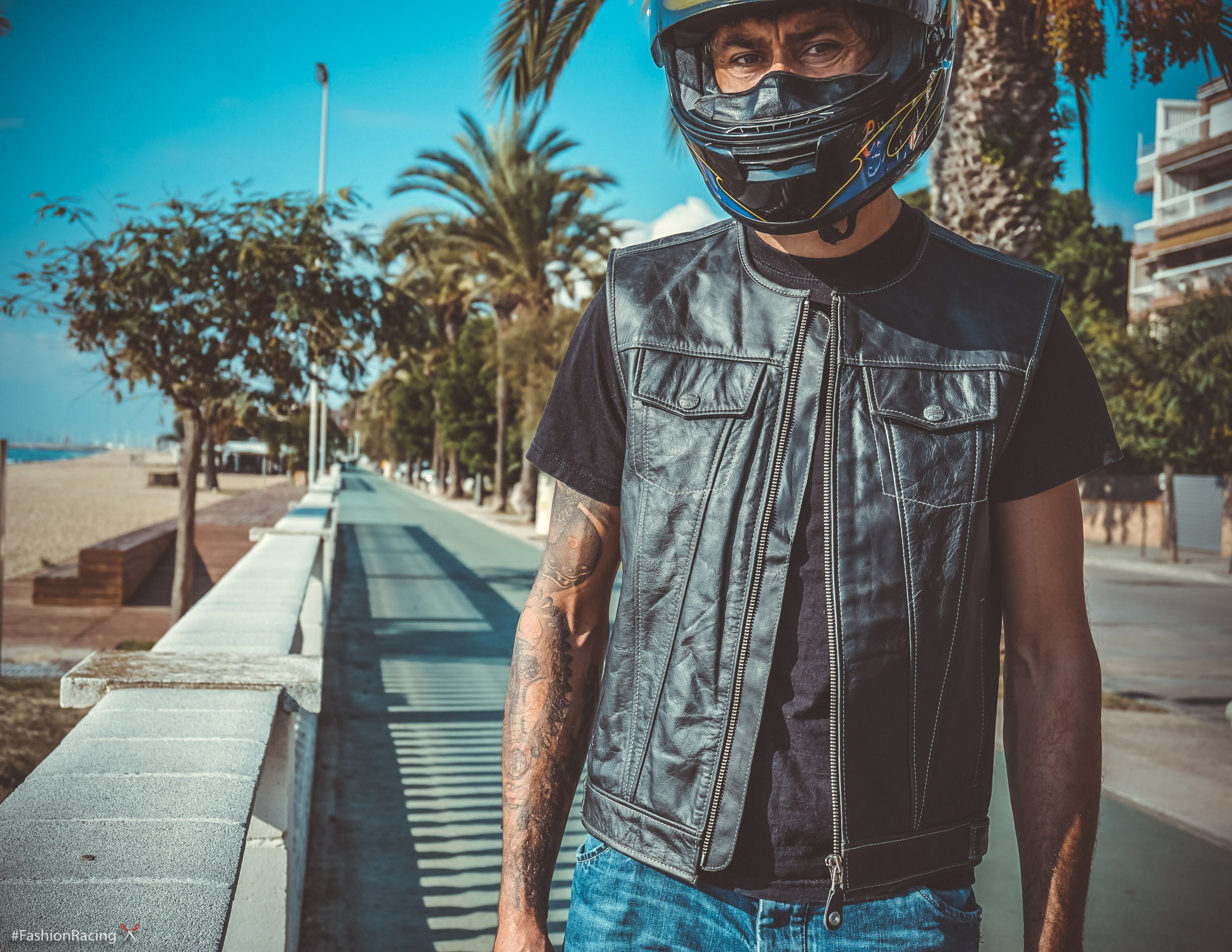
Pocket placement is often an afterthought when riders choose a leather vest. The leather quality stands out. The fit gets attention. The stitching is inspected. However, where the pockets sit determines how the vest behaves once the engine starts and miles begin to accumulate. Riders around the world discover this only after living with a vest on real roads.
In the first weeks of ownership, discomfort is easy to dismiss. Riders blame break-in stiffness or posture. Yet many of these issues trace back to storage design. A vest that feels balanced while standing can become distracting once seated, leaning forward, and absorbing vibration. For anyone wearing a best quality men’s leather biker vest, pocket placement shapes comfort, access, and focus far more than you might expect.
This guide explores why pocket problems occur and how more innovative alternatives enhance the riding experience without altering the identity of leather gear.
Leather Vest Pocket Placement Issues
Pocket Location Matters to Riders
Pockets are not passive features. Every item placed inside creates force. Gravity pulls downward, motion shifts the weight, and vibration keeps everything in constant movement. On a motorcycle, these forces never stop. Even a small object becomes noticeable over time.
Leather reacts to this stress by stretching where pressure concentrates. If pockets sit in the wrong place, the vest trains itself to pull, sag, or twist. What starts as a mild annoyance eventually becomes built-in discomfort.
Pocket Design and Rider Balance
Motorcycle balance depends on symmetry. When weight is unevenly distributed, the body compensates instinctively. Shoulders tighten. The neck leans forward. One side carries more load than the other.
These adjustments feel natural at first. However, over long rides, they drain energy. Riders arrive tired without understanding why. The vest becomes part of the problem rather than part of the solution.
Everyday Carry vs Riding Reality
Most pocket designs borrow logic from casual wear. That logic breaks down on a motorcycle. Walking allows free movement and frequent posture changes. Riding locks the body into a fixed position for extended periods.
Items that feel harmless off the bike behave differently at speed. Keys bounce. Phones press inward. Wallets shift with every bump. Riding exposes flaws that daily life hides.
Pocket Placement and Rider Comfort
Weight Distribution While Riding
Once seated, body weight shifts forward. The spine compresses, and the chest angles toward the tank. Pockets placed too low exaggerate this shift, pulling the vest downward and forward.
Over time, this creates pressure at the collar and shoulders. Riders often loosen the vest to compensate, which introduces additional issues such as flapping and instability.
Access Issues With Gloves On
Riding gloves reduce dexterity. Pockets that require precise finger movement become frustrating during stops. Riders fumble, remove gloves, fashion jackets or avoid pockets altogether.
However, well-placed pockets allow natural reach. They respect limited movement and keep interaction simple, even in cold or wet conditions.
Placement Issues That Drain Focus
Discomfort competes for attention. The mind registers irritation even when the rider tries to ignore it. This low-level distraction builds fatigue faster than wind or noise.
In contrast, a balanced vest fades into the background. When storage works quietly, focus stays on the road.
Leather Vest Pocket Design Errors
Chest Pocket
Chest pockets seem practical until filled. When the rider leans forward, these pockets press inward, restricting breathing and movement. Over time, they develop a stiffness that no amount of break-in can resolve.
Low Front Pockets Pull Vest Forward
Low pockets act like weights hanging from the vest. Items stored here drag the front down, tightening the neck opening and stressing seams. Riders feel this as a constant downward pull, especially at highway speed.
Back Pockets Create Seat Pressure
Back pockets clash directly with seating posture. Anything stored there becomes trapped between the body and the seat. Heat builds, pressure increases, and discomfort intensifies as miles pass.
These issues appear across riding cultures, climates, and bike styles, proving the problem is structural rather than situational.
Poor Pocket Placement Hurts Comfort
Weight Shifts on Long Rides
Long rides expose design flaws. Slight imbalances grow louder with time. Riders shift weight repeatedly, searching for relief. Each adjustment breaks the rhythm and increases fatigue.
Shifting Weight on Long Rides
Leather already limits movement compared to textile gear. Poor pocket placement adds resistance. Turning shoulders, reaching controls, or stretching becomes more complicated than necessary.
Pressure Points
Pressure points develop slowly. Riders often notice soreness only after dismounting. By then, the body has already compensated for hours, reinforcing poor posture.
More innovative Pocket Alternatives
Vertical Pocket Placement
Vertical pockets align with arm movement. They allow access without twisting the torso and keep stored items close to the body’s balance line. This reduces pull and improves stability.
Internal Carry Pockets
Internal pockets shift weight inward. They protect contents while preventing outward drag. Riders experience better balance and fewer pressure points.
Modular and Concealed Pocket Designs
Adaptability matters. Modular storage allows riders to carry only what the ride requires. Concealed designs preserve clean lines while supporting function.
- Urban riders benefit from slim internal layouts that reduce bulk.
- Touring riders need evenly distributed storage that avoids lower back strain.
- Club riders require layouts that respect patch placement and balance.
At this stage, many riders researching functional design encounter the phrase affordable leather biker vests for men as they look for gear engineered around riding posture rather than street fashion.
Pocket Layouts
No single layout suits every rider. Bright designs adapt to riding habits, climate, and distance. They evolve with the rider instead of forcing compromise.
Final Thoughts
Pocket placement is not about convenience alone. It is about harmony between body, machine, and gear. When pockets fight posture, the ride suffers quietly but consistently.
More innovative alternatives do not remove character from leather vests. They refine it. They allow leather to support movement, balance, and focus rather than interrupt them. Across global riding communities, experienced riders learn the same lesson: the best gear disappears once the wheels start turning.
That philosophy is reflected in how established manufacturers like First MFG Co approach vest construction, prioritizing functional design choices that respect real riding conditions without calling attention to themselves.


Freight Forwarding Services in Canada: How Progressive Cargo Simplifies Global Logistics
Freight forwarding plays a crucial role in today’s interconnected global economy. Business…