
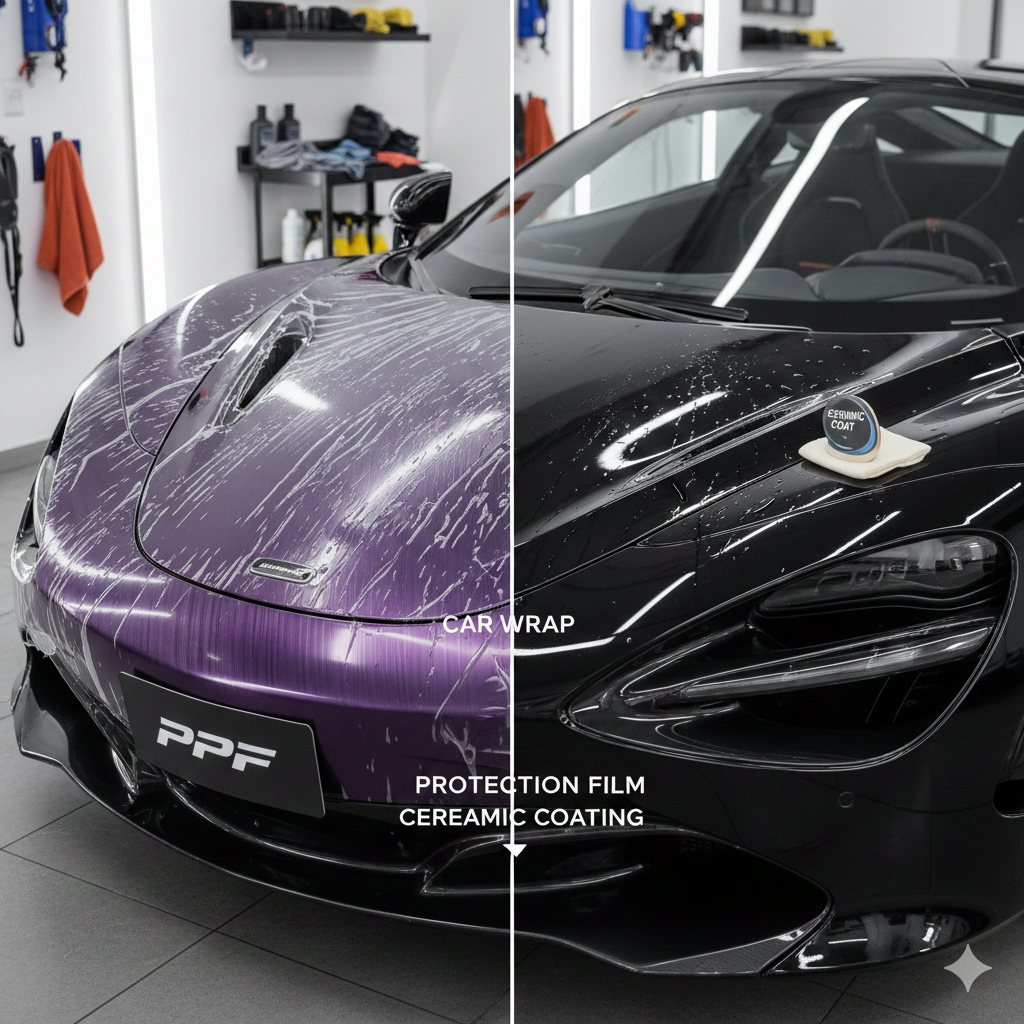
Paint protection film (PPF) is a clear, durable layer applied to a car’s surface to guard against common damage like stone chips, scratches, and environmental wear. It is made from thermoplastic urethane, which offers strong resistance to road debris and UV exposure without altering the vehicle’s appearance. This film helps maintain a car’s original paint, preserving its value and keeping it looking newer for longer.
PPF is virtually invisible once installed and can cover the entire exterior, including headlights and mirrors. Many drivers choose it to avoid costly repairs and protect their investment from everyday hazards. With advancements like self-healing technology and UV resistance, modern paint protection films deliver both durability and clarity without noticeable yellowing or clouding over time.
Choosing the right paint protection film can be complex, given variations in thickness, adhesive quality, and protective features. Understanding these factors is key to selecting a product that matches the vehicle’s needs and the owner’s expectations for long-term protection and appearance.
Comprehensive Guide to Paint Protection Film for Cars
Paint Protection Film for cars is a specialized transparent layer designed to preserve a vehicle’s exterior finish. It guards the paint by absorbing or deflecting physical and environmental damage while maintaining the original shine. Understanding what PPF is, its benefits, and how it operates is key to recognizing its value in car care.
What Is Paint Protection Film?
PPF is a clear, thin polyurethane film applied to a car’s painted surfaces. It acts as a barrier against mechanical wear such as stone chips, scratches, and minor abrasions caused by road debris. Its chemical resistance protects the paint from stains and damage caused by bird droppings, tree sap, and UV rays.
The thickness typically ranges around 6 mils (0.15 mm), balancing durability and invisibility. The adhesive backing ensures a strong bond to curved or flat surfaces without compromising the paint underneath. PPF often comes with self-healing properties, allowing minor scratches to disappear with heat exposure.
Key Benefits of Paint Protection Film
PPF preserves the vehicle’s original paint condition, enhancing resale value by preventing visible wear. Key benefits include:
- Scratch and chip resistance: Shields from gravel, road salt, and minor impacts.
- UV protection: Prevents paint fading and discoloration.
- Chemical resistance: Guards against contaminants like bird droppings and road tar.
- Maintains gloss: Enhances and preserves the car’s factory finish.
- Self-healing: Minor scratches fade from heat or sunlight without needing reapplication.
This film reduces the need for frequent repainting or touch-ups, saving money over time. It is invisible once installed, preserving the car’s aesthetic while adding a robust layer of protection.
How Paint Protection Film Works
PPF works through its multi-layer polyurethane construction, combining strength and flexibility. The top layer resists abrasion and environmental factors, protecting the underlying paint. The middle layer absorbs impact energy from stones and debris, preventing chips.
The adhesive layer secures the film tightly but allows for smooth application and future removal without damaging the paint. Some modern PPFs include a self-healing clear coat that reacts to heat, smoothing out fine scratches by softening and flowing.
Installation requires precision to avoid bubbles and ensure full coverage, often including vulnerable areas like front bumpers, hoods, and side mirrors. Once applied, the film serves as a sacrificial shield, taking damage instead of the vehicle’s paint.
Choosing and Maintaining Paint Protection Film
Selecting a durable and high-quality paint protection film (PPF) is essential, along with deciding between professional or DIY installation. Maintaining the film properly ensures long-lasting defense against damage without compromising the vehicle’s appearance.
Selecting the Right Paint Protection Film
Choosing the right PPF depends on the vehicle’s use and environmental exposure. Films vary in thickness, durability, and self-healing properties. A 6mil thick polyurethane film is common for strong protection against scratches and debris.
Opt for brands with tested resistance to UV rays and chemicals to prevent yellowing or damage over time. Transparent films preserve the original paint color while toughened versions add scratch resistance. Consider the warranty offered, which often reflects confidence in the product’s longevity.
High-quality PPF should be flexible enough to cover complex curves and edges on the vehicle without peeling. Comparing features like hydrophobic coatings or matte finishes helps match the owner’s style and protection needs.
Professional vs. DIY Installation
Professional installation is recommended for precision, especially on complex surfaces. Experienced installers use specialized tools and techniques to prevent bubbles, wrinkles, or lifting. This results in a better fit and longer-lasting protection.
DIY kits are available but require patience, skill, and a controlled environment to avoid installation errors. Improper application can lead to visible seams, air traps, or reduced durability. Beginners risk damaging the film or the vehicle’s paint during application.
Choosing between professional and DIY depends on budget and confidence with detailed work. Professional installation often includes warranty coverage for installation issues, which DIY methods do not.
Caring for Paint Protection Film
PPF reduces the need for frequent waxing but still requires regular cleaning to maintain clarity and adhesion. Use mild, pH-neutral soap and soft microfiber cloths to avoid scratching the surface.
Avoid abrasive brushes, strong solvents, or harsh chemicals. Inspect the film regularly for edges lifting or damage and address issues promptly to prevent dirt or moisture from seeping underneath.
Applying recommended sealants or protectants designed for PPF can enhance resistance to stains and increase longevity. Follow manufacturer guidelines for best results and avoid automatic car washes with harsh brushes to prolong the film’s life.
BlogBuzzNews Essential Insights for Staying Updated in 2025
BlogBuzzNews is a digital platform that delivers timely and relevant updates across variou…