
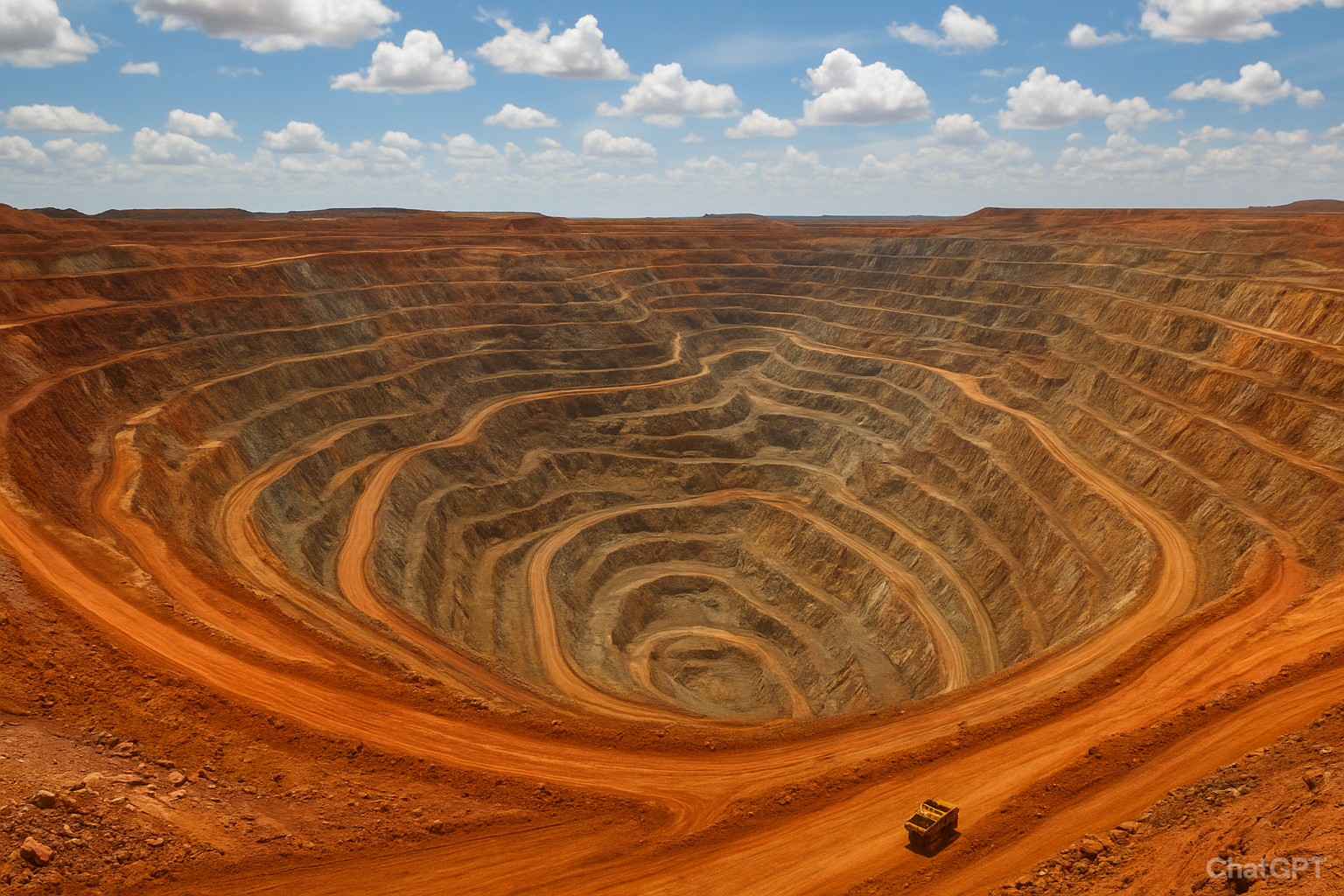
Michigan has a rich history of mining, with over 1,800 identified mines throughout the state. It remains an important producer of key minerals such as iron, copper, potash, and construction materials. Mining in Michigan includes metallic mining, sand dune mining, and emerging projects focused on resources like potash and battery metals.
The Upper Peninsula, in particular, has played a central role because of its copper and iron deposits. Current developments are often linked to modern technologies, including mining methods that support the production of materials used in electric vehicle batteries. This ongoing evolution keeps mining relevant to both local economies and broader industrial demands.
Overview of Mining in Michigan
Mining in Michigan has played a significant role in the state’s economy for over a century. It involves the extraction of a variety of minerals, with ongoing developments reflecting shifts in industrial demand and technological advances.
History of Mining Activities
Mining in Michigan began in the mid-19th century, initially focusing on copper and iron ore in the Upper Peninsula. Copper mining in particular became a major industry, forming the foundation for Michigan’s role in U.S. mineral production. Iron ore mining followed, contributing significantly to steel manufacturing. Over time, the industry expanded to include other minerals such as nickel, silver, and more recently, construction materials.
By the early 20th century, Michigan had established itself as a leading mineral producer. Although some older mines closed, new operations have revitalized the sector in recent years. Regulatory oversight has also evolved, addressing environmental concerns and reclamation efforts.
Major Minerals and Resources
Michigan’s primary mineral production includes:
- Copper: Historically dominant and still active, especially in the Upper Peninsula.
- Iron ore: Central to industrial growth and steel production.
- Nickel: Increasingly important due to demand for electric vehicle batteries.
- Sand and gravel: Used widely in construction.
- Cement: Supports infrastructure development.
Other minerals like silver and coal exist but play lesser roles. The state’s mineral output contributes more than 3% of the U.S. nonfuel mineral production value, ranking it among the nation’s top producers.
Key Mining Regions
The Upper Peninsula (U.P.) is Michigan’s central mining hub, famous for its historic and active copper and iron ore deposits. The Keweenaw Peninsula is particularly known for copper mining dating back to the 19th century.
Sand dune mining occurs in areas along the Great Lakes shoreline, supplying raw material for construction. Other regions produce industrial minerals such as cement and gravel. Mining operations are regulated by the state’s Geologic Resources Management Division to ensure compliance with safety and environmental standards.
Economic and Environmental Impact
Mining in Michigan plays a significant role in both the state’s economy and environmental landscape. The industry supports thousands of jobs and generates billions in revenue while navigating complex environmental concerns and evolving regulatory frameworks.
Contribution to Michigan’s Economy
Mining contributes about $2.5 billion annually to Michigan’s economy, supporting approximately 9,100 direct jobs. Operations span across every county, supplying essential raw materials like copper, iron ore, nickel, cement, and construction sand.
The Upper Peninsula (U.P.) is a key mining region, especially for metallic minerals. The Eagle Mine, the only primary nickel producer in the U.S., is located there and acts as a critical source of minerals for manufacturing and electric vehicle batteries. Mining sustains local businesses and supports industries reliant on basic materials, underscoring its economic importance.
Environmental Management Practices
Michigan’s mining operations are subject to strict regulatory oversight focused on minimizing environmental damage. Permits and reclamation plans ensure land restoration after mining activities.
The state also imposes restoration fees, particularly on aggregate mining, to fund protective or rehabilitative measures for affected lands. The Eagle Mine is noted for efforts to balance minerals extraction with watershed protection. Companies increasingly integrate recycling and circular economy approaches to reduce environmental footprints.
Current Challenges and Developments
Mining in Michigan faces opposition over pollution risks, transportation impacts, and environmental preservation concerns. Community groups and tribal leaders have mobilized against certain projects due to potential groundwater contamination and habitat loss.
Simultaneously, innovation and sustainability are priorities. Projects like Copperwood aim to advance environmentally conscious mining techniques. Strategic partnerships focus on improving economic margins while addressing environmental risks, reflecting an industry adapting to regulatory and social pressures.

BlogBuzzNews Essential Insights for Staying Updated in 2025
BlogBuzzNews is a digital platform that delivers timely and relevant updates across variou…