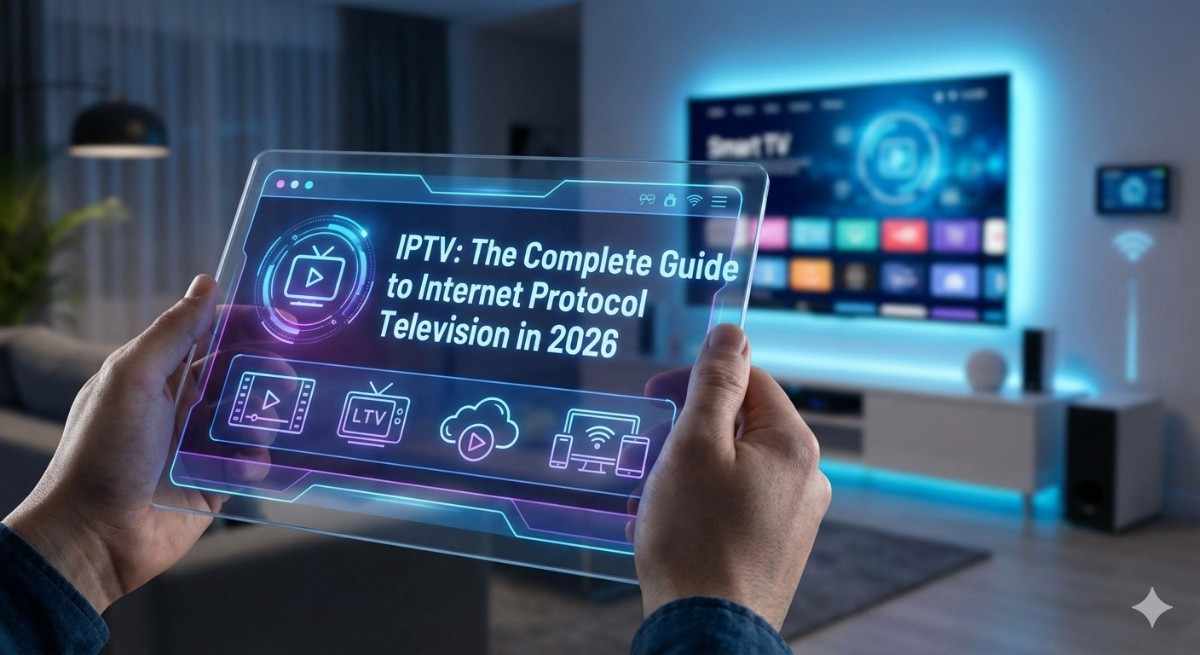
Discover what IPTV is, how it works, its benefits, types, legality, and how to choose the best IPTV service. A complete beginner-friendly guide. Television consumption has changed dramatically over the last decade. Traditional cable and satellite TV are no longer the only options. One technology that has completely transformed how people watch TV.
IPTV, or Internet Protocol Television, lets users stream live TV channels, movies, and on-demand content. It uses an internet connection instead of cable or satellite signals. Thanks to faster internet and smarter devices, it is now a popular choice for many homes around the globe. In this guide, we’ll explain everything you need to know about in simple terms.
What Is IPTV?
IPTV is a digital television service that delivers content through the internet. Instead of receiving TV signals via antennas or satellite dishes, IPTV streams content using IP networks.
This means you can watch:
- Live TV channels
- Movies and TV shows on demand
- Sports events
- International content
All you need is a stable internet connection and a compatible device.
How Internet-Based Television Works
Internet-powered TV sends video content as digital data over a broadband connection. When a viewer chooses a live channel or on-demand program, the system quickly fetches the stream from a remote server. It then delivers it directly to the device in real time.
How the Streaming Process Works:
- Video content is stored on secure media servers
- The viewer chooses a channel or program
- Data is transmitted through the internet
- Playback begins instantly on the device
Compared to traditional broadcast methods, this approach offers greater control, smoother navigation, and a more personalized viewing experience.
Types of Internet Television Services
There are three main formats available, each designed to suit different viewing preferences.
Live Television Streaming
This option allows viewers to watch channels as they air, similar to cable television. It typically includes news, sports, and entertainment programming from various regions.
On-Demand Video Libraries
With this format, users can browse a large collection of movies and television shows and watch them whenever they choose, without being tied to a broadcast schedule.
Time-Shifted Viewing
This feature lets viewers pause live broadcasts, replay missed programs, or continue watching shows from where they left off, adding flexibility to everyday viewing.
Key Benefits of Internet-Based TV Services
The growing popularity of online television platforms comes from the convenience and value they offer.
Cost-Friendly Entertainment
Subscription fees are generally lower than traditional cable or satellite packages.
Extensive Channel Access
Viewers can enjoy a wide range of local and international channels in one place.
Watch on Your Schedule
Movies and shows are available anytime, eliminating the need to follow fixed programming times.
Works Across Multiple Devices
These services are compatible with Smart TVs, mobile phones, tablets, laptops, streaming sticks, and TV boxes.
Enhanced Viewing Experience
Fast loading speeds, modern interfaces, and high-definition or 4K quality make watching more enjoyable.
Compatible Devices for Streaming Services
Modern internet TV platforms work on many devices. This gives users flexibility in how and where they watch. You can enjoy live channels and on-demand shows on Smart TVs like Samsung, LG, and Android TV. No extra hardware is needed.
Streaming is also easy on Amazon Firestick and Fire TV. Android TV boxes support it too, making setup quick. Mobile users can watch on Android or iOS smartphones and tablets. Desktop viewers can stream on PCs and laptops. Most platforms use dedicated apps or media players, such as Xtream Codes, M3U players, or custom apps from the service.
Is Internet-Based Television Legal?
Many people worry about the legality of internet TV services. The technology is legal, but the lawfulness depends on how the service works and where the content originates.
Legitimate Services:
- Hold proper broadcasting and distribution licenses
- Work directly with content creators and rights holders
- Operate openly with clear terms and policies
Unauthorized Services:
- Stream copyrighted channels without permission
- Offer unusually low prices with access to premium content
To avoid legal and security risks, it’s always best to choose well-established providers with a strong reputation.
How to Choose the Right Streaming Provider
With so many options available, selecting the right service can feel overwhelming. A reliable platform should have stable performance and minimal buffering, even during busy times. Video quality is also important, so choose services that support HD or 4K resolution.
Good customer support is crucial for setup and troubleshooting. Many trusted providers offer a free trial or demo. This lets you test the service before you commit. Reading real user reviews and checking clear pricing plans can help you decide confidently. Be wary of platforms that promise too much at low prices or lack customer support.
IPTV vs Cable TV: Which Is Better?
| Feature | IPTV | Cable TV |
| Price | Affordable | Expensive |
| Flexibility | High | Limited |
| Device Support | Multiple | TV only |
| On-Demand | Yes | Limited |
| Installation | No hardware | Cable setup |
For most users, IPTV offers more value and freedom.
Common IPTV Problems and Solutions
Buffering Issues
Cause: Slow internet or overloaded servers
Solution: Use a high-speed connection and reliable provider
Channels Not Loading
Cause: Server downtime
Solution: Restart app or contact support
App Crashing
Cause: Outdated app
Solution: Update or reinstall IPTV app
Frequently Asked Questions (FAQ)
What internet speed is required for IPTV?
A minimum of 10 Mbps is recommended for HD streaming, while 25 Mbps or higher is ideal for 4K content.
Can I use IPTV while traveling?
Yes, IPTV can be used anywhere as long as you have an internet connection.
Does IPTV support live sports?
Most IPTV services offer live sports channels, including international events.
Do I need a VPN for IPTV?
A VPN is optional but recommended for privacy, security, and avoiding ISP throttling.
Can IPTV replace cable TV?
Yes, many users have completely replaced cable TV with IPTV due to lower cost and better features.
Conclusion
IPTV has reshaped the way people consume television content. IPTV is popular for its flexibility, affordability, and variety of channels.It provides live TV, on-demand movies, and international channels. IPTV fits well with today’s digital lifestyle. By selecting a reliable IPTV provider and a stable internet connection, you can enjoy smooth, high-quality entertainment.
Freight Forwarding Services in Canada: How Progressive Cargo Simplifies Global Logistics
Freight forwarding plays a crucial role in today’s interconnected global economy. Business…