
Fresh ingredients form the base of every great dining experience inside restaurants. Every bite reflects care that goes into sourcing and preparation. When freshness is maintained, flavor becomes rich and natural. Using poor quality items reduces taste, smell, and color easily noticed by customers. Food freshness defines how customers feel about dining experience from first to last bite. Restaurants that manage freshness properly gain trust and loyalty through consistent results. Fresh ingredients make texture better and reduce cooking time for kitchen teams. Each dish must speak through freshness that shows brand value clearly. Good restaurant flavor quality depends on timing, storage, and careful selection of all ingredients daily.
How does ingredient freshness connect with restaurant flavor quality?
Fresh ingredients release strong natural taste and smell that attract customer attention fast. When ingredients age, flavor balance drops, and texture weakens quickly during cooking. Customers can easily sense the difference between fresh and stored items. High freshness levels improve restaurant flavor quality through balanced taste and steady presentation. Fresh vegetables, dairy, and herbs produce sharp and satisfying flavors for diners. Restaurants that control freshness build consistent flavor profiles across different dishes. Such consistency increases brand reputation and food trust. Fresh ingredients also make chefs confident because quality reduces variation during cooking sessions daily.
How can restaurants check freshness before cooking begins?
Regular inspection keeps ingredients in safe condition and prevents waste during daily work. Staff can use smell, color, and texture checks to confirm freshness accurately. Proper training helps workers understand how each ingredient should appear under light. Keeping a short inventory cycle ensures that no food sits unused too long. This simple step improves restaurant flavor quality through better product management systems. Regular supplier communication builds supply chain reliability for long-term freshness results. Smart tracking tools can help record delivery dates and expiration periods clearly. Consistent checking guarantees flavor quality remains steady throughout busy service hours daily.
How does WaxPapersHub support freshness through quality wrapping?
wrapping support becomes vital for preserving freshness from kitchen to table safely. Many restaurants across Canada use their products for wrapping and serving food daily. WaxPapersHub offers material solutions that help restaurants maintain hygiene and flavor consistency. Their durable materials prevent moisture loss and air contact that harm flavor. By protecting freshness, wrapping indirectly strongly supports restaurant flavor quality. Reliable suppliers help maintain freshness standards during transport and storage cycles regularly.
How can temperature control affect freshness and food flavor?
Temperature changes alter taste and texture quickly if not managed carefully in kitchens. Cold storage keeps meat and dairy safe from bacterial growth during daily use. Overcooling, however, can reduce natural moisture and weaken flavor quality noticeably. Restaurant flavor quality depends on the correct balance between freshness and preservation control. Staff must check temperature regularly using accurate equipment for consistency and safety. Hot areas can speed spoilage, causing unpleasant smell and reduced taste during service. Maintaining steady temperature protects natural sweetness, crispness, and texture in food efficiently. Good temperature practices save cost by reducing waste and keeping quality uniform daily.
How does wrapping help food presentation freshness?
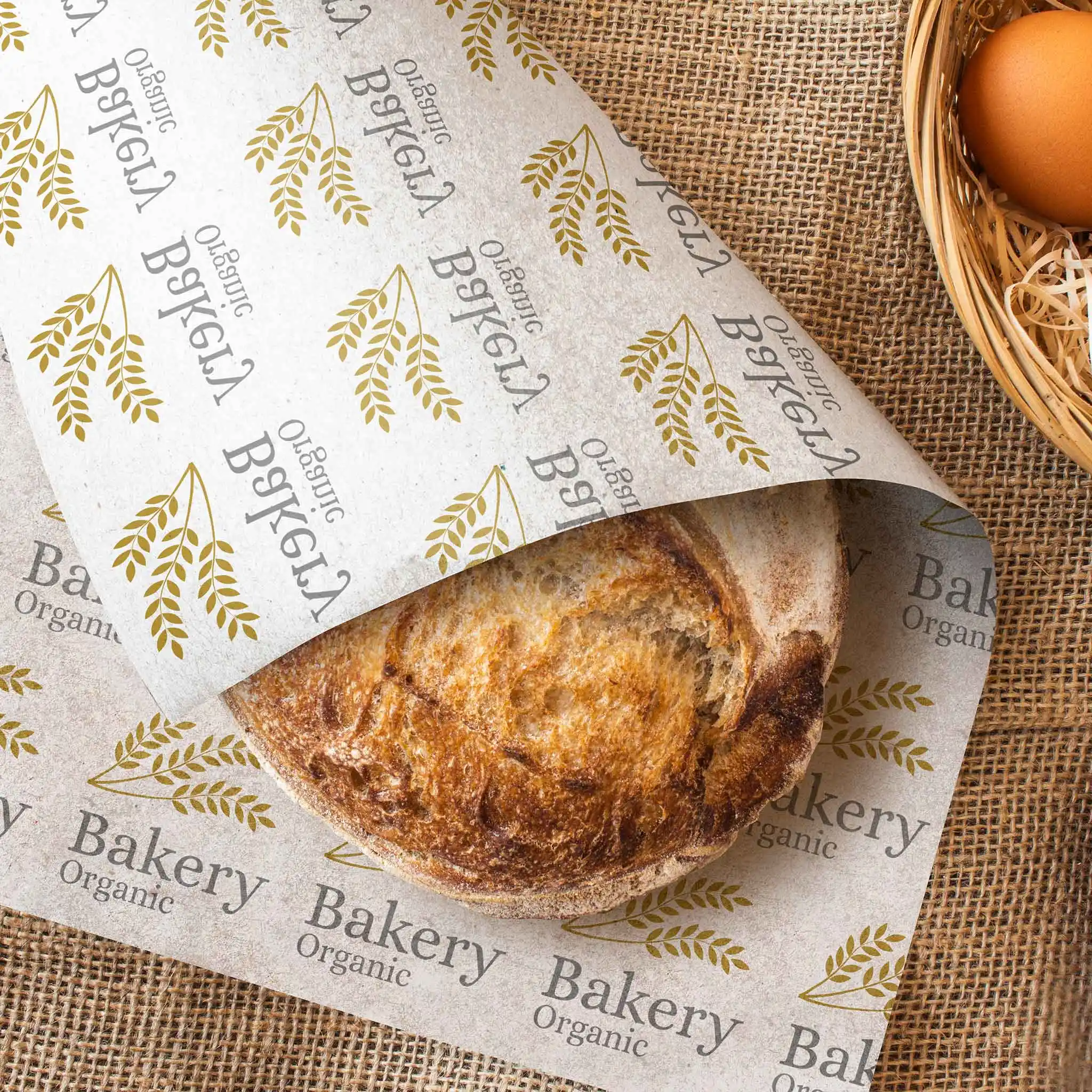
Serving fresh food needs wrapping that protects and presents food properly to customers. Using custom deli paper sheets in CA helps restaurants maintain cleanliness and brand identity. These sheets preserve freshness by blocking moisture and preventing flavor loss effectively. When design matches food style, presentation improves and customer satisfaction increases. Freshness reflects care shown through wrapping as much as through cooking quality. Customers notice clean wraps and feel confident about hygiene and freshness levels quickly. Such materials add visual value while supporting restaurant flavor quality with practical use. Presentation builds trust when every wrap and sheet shows freshness clearly and neatly.
How can restaurant owners build supply chains that ensure freshness?
Strong supplier relationships help maintain constant flow of fresh ingredients year-round easily. Local sourcing reduces transport time which keeps produce crisp and flavorful naturally. Reliable partners ensure quality checks before dispatch improving restaurant flavor quality each day. Owners can schedule daily or weekly deliveries based on Canadian patterns and demand. Using digital tracking for batches prevents mix-ups and ensures traceability of all items. Seasonal sourcing reduces dependence on long storage which weakens freshness over time. A clear agreement on standards ensures that suppliers maintain uniform quality delivery. Strong logistics and supplier communication preserve freshness and customer trust efficiently.
How does menu design reflect commitment to ingredient freshness?
Menu language and layout often tell customers how restaurants value ingredient quality daily. Listing seasonal or locally sourced items shows transparency and builds customer confidence easily. Restaurant flavor quality improves when menus highlight freshness as a key feature honestly. Customers appreciate clarity about source, handling, and freshness in every dish they choose. Visual presentation on menus can match colors that remind of natural freshness appeal. When menus are updated often it reflects real effort to serve fresh food always. This trust builds repeat visits and customer loyalty through visible commitment to freshness. Honest communication about freshness creates a positive brand image and lasting dining satisfaction.
How do reviews and feedback help maintain freshness standards?
Customer reviews often mention taste and freshness first when rating dining experiences online. Honest feedback gives restaurants real insight into ingredient management and service consistency. Monitoring reviews helps identify weak spots in freshness or storage quickly and effectively. Restaurant flavor quality improves when feedback translates into training and procedural updates immediately. Managers can compare ratings over time to track progress or detect new issues. Responding to feedback shows responsibility and dedication toward maintaining freshness for every diner, supported by wax paper sheets for restaurant packaging. Encouraging customers to share opinions builds transparency and supports continuous quality growth. Reviews become essential tools for building freshness-driven restaurant image and success.
Conclusion
Fresh ingredients remain the foundation of trust and satisfaction within restaurant food culture worldwide. Maintaining freshness protects flavor, nutrition, and hygiene across every served dish each day. Restaurant flavor quality depends on strong sourcing habits and organized handling routines. Using the right materials like deli sheets or wraps improves presentation and hygiene control together. Each restaurant must view freshness as daily commitment rather than one-time effort. Freshness keeps food alive in color, taste, and texture throughout customer experience entirely.

Freight Forwarding Services in Canada: How Progressive Cargo Simplifies Global Logistics
Freight forwarding plays a crucial role in today’s interconnected global economy. Business…