

Food is not just about taste; food is about experience. Customers often judge a meal before tasting it by how the food looks on a plate. Presentation plays a role in creating a memorable dining experience. A well-presented dish can make customers feel valued, which encourages repeat visits. Imagine walking into a restaurant where every meal looks organized—color arrangements and ingredients catching the eye. First impressions can be as important as flavor itself.
How Do Garnishes Improve Visual Appeal?
Garnishes are small touches that could change a dish. Herbs, vegetation, citrus slices or sauce can show the main parts of the plate. Garnishes are not just decoration; garnishes can improve taste and hint at substances. For example, parsley on chicken adds contrast. Chefs use garnishes to stabilize colors and make dishes look complete.
A garnish can fill space and grab the eye to the center. Even in informal settings, garnishes signal care and thought. When paired with easy plating, garnishes could make dishes appear prepared. Restaurants can use seasonal or nearby garnishes to improve presentation while staying consistent with the menu. Small details like garnishes improve every plate giving diners a higher experience.
Why Is Plate Choice Important in a presentation?
Plates or dishes can make a difference in presentation. Neutral-colored plates let food stand out, while patterned plates can complement dishes. Size matters; small plates can crowd food, large plates can make portions look small. Plate shape influences perception; square plates feel modern, and round plates feel classic.
Choosing the right plate highlights textures, colors and arrangement. Some restaurants select specific plates for certain dishes to maintain the look. The right plate frames food, focusing the customer’s attention. Plate choice improves appearance without changing recipes. Thoughtful plate choice ensures presentation works with food giving diners a complete experience.
How Does Layering Add Depth to Food Presentation?
Layering ingredients makes dishes interesting. Stacking components creates height and dimension. Layering can make a salad sandwich or dessert look organized. For example, parfait with yogurt, fruit and granola shows different layers. Height and layering make simple dishes look professional.
This technique encourages diners to notice each part of the dish, making meals feel intentional. Layering works well with contrasting textures and colors giving plates a three-dimensional appeal. Even small adjustments like placing protein on vegetables or drizzling sauce across layers can improve depth. Using layering makes meals look prepared and shows care in presentation.
How Can Sauces Be Used Creatively?
Sauces are not just for taste—sauces are part of presentation. A sauce can add interest, highlight flavors and fill space on a plate. Techniques like zigzag dots or swooshes make dishes look organized. Chefs use sauces to draw attention to the center emphasizing main ingredients.
Choosing complementary colors for sauces can improve visual appeal. Sauce application can show attention to detail and improve the experience. Sauces also provide texture contrast with crunchy or soft elements. Minor adjustments can make a big difference in presentation. Paired with garnishes and arrangements, sauces help create meals that look intentional and enjoyable.
How Does Wrapping Influence Food Hygiene and Appeal?
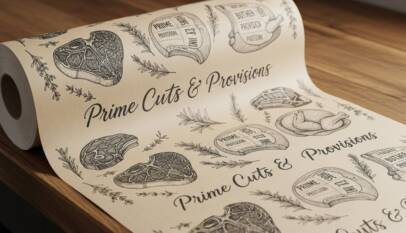
Food wrapping is more than protection; wrapping improves presentation and hygiene. Clean wrapping ensures meals stay safe and maintains customer satisfaction. Many restaurants now use custom food paper to cover sandwiches, burgers or baked goods. Wrapping maintains hygiene and allows diners to handle food easily. Wrapping can also improve presentation with folds or simple placements.
Using good materials communicates care. Startups and small restaurants can benefit from neat wrapping to make a strong impression. Brands like WaxPapersHub offer solutions for restaurants needing practical wrapping. Wrapping ensures food stays intact, retains temperature and maintains appearance. Wrapping combines utility with presentation helping restaurants stand out.
Can Small Touches Make a Difference in Presentation?
Small touches can improve presentation without changing recipes. A sprinkle of spice seeds or citrus can catch your eye and add hints of flavor. Even a napkin fold clean edge or drizzle of oil can improve perception.
Restaurants that focus on small details create a sense of care. Small adjustments encourage customers to notice the meal as a whole. In casual dining small touches make meals look organized. Combined with layering textures and garnishes small touches create a complete plate. They also encourage diners to share pictures boosting presence. Attention to detail shows pride in service and enhances dining experience.
How Do Food Liners Contribute to Cleanliness and Style?
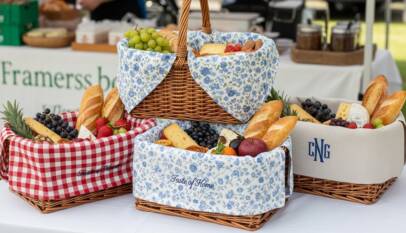
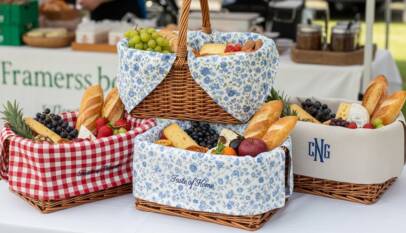
For many casual restaurants food liners improve hygiene and presentation. Liners keep meals from touching serving surfaces, reducing contamination and making cleaning easier. Liners create an organized base for sandwiches, fries or appetizers. Food basket liners also improve presentation by providing contrast and neatness. Many restaurants choose liners with subtle patterns or colors to match dishes making meals look organized.
Liners prevent food from sliding or sticking, keeping meals intact from kitchen to table. Brands like WaxPapersHub provide high-quality liners that combine style, durability and cleanliness. Proper use of liners ensures meals look clean and organized reflecting the restaurant’s attention to detail.
How Can Restaurants Combine Functionality and Presentation?
Combining functionality with presentation is about meals that are practical, safe and organized. Every choice—from plate size to garnish texture, sauce placement and wrapping—should balance ease of eating with appearance. Carefully folded wrappers or sheets keep sandwiches warm while making the dish look neat. Using custom wrapping paper or liners improves handling while adding clean appearance. Brands like WaxPapersHub provide high-quality liners that combine style, durability and cleanliness.
Thoughtful design keeps food intact during service or takeout. Functional presentation improves customer experience; meals that are easy to eat and organized lead to satisfaction. Restaurants that merge practicality with appearance gain loyal patrons. Choosing materials, arrangement and serving strategies carefully allows restaurants to offer organized presentations. Focusing on these elements makes meals look clean and easy to enjoy giving diners a positive impression.


Freight Forwarding Services in Canada: How Progressive Cargo Simplifies Global Logistics
Freight forwarding plays a crucial role in today’s interconnected global economy. Business…