
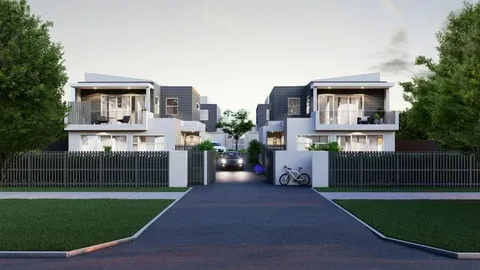
In the world of architecture and construction, communication is key. Architects and designers often face the challenge of explaining their vision to clients who may not have technical knowledge of building plans or architectural drawings. This is where 3D architectural exterior rendering comes in. By turning technical plans into realistic, three-dimensional visuals, these renderings make it easier for clients to understand how a building will look before it is even constructed.
What is 3D Architectural Exterior Rendering?
3D architectural exterior rendering is the process of creating a digital, three-dimensional representation of a building’s exterior. Unlike traditional blueprints, which can be difficult for non-experts to interpret, 3D renderings provide a lifelike image of the final design. These renderings can show details such as textures, lighting, landscaping, and surrounding environments, giving clients a comprehensive view of the project.
With advancements in software and technology, 3D renderings have become more realistic and interactive. Architects can now produce high-resolution images, animations, and even virtual reality experiences that allow clients to explore the design from different angles.
The Benefits of Using 3D Architectural Exterior Rendering
Enhancing Client Understanding
One of the main benefits of 3D architectural exterior rendering is that it helps clients understand the design better. Most people find it difficult to visualize a building from a flat blueprint or technical drawing. By providing a realistic 3D image, clients can see exactly how the exterior will look, including details like windows, doors, roofing, and facade materials.
This visualization reduces confusion and miscommunication between clients and architects. Clients are able to provide informed feedback, which can prevent costly changes during construction.
Saving Time and Costs
Another major advantage of 3D exterior renderings is that they save time and money. Traditional design revisions can be time-consuming, especially when mistakes are discovered after construction begins. With 3D renderings, architects and clients can identify potential issues early in the design process.
For instance, if a client feels that the color scheme or material choice does not match their vision, adjustments can be made digitally before any physical work begins. This not only streamlines the design process but also reduces material waste and construction errors.
Improving Marketing and Presentation
3D architectural exterior renderings are not just helpful for clients—they are also valuable marketing tools. Real estate developers and architects can use these visuals to showcase upcoming projects to investors, buyers, or stakeholders. A high-quality 3D rendering can make promotional materials more appealing and professional.
Furthermore, these renderings can be used on websites, brochures, and social media to attract potential buyers. Showing a realistic visualization of a property before it exists helps create excitement and trust, which is essential in competitive real estate markets.
How 3D Rendering Shows Realistic Details
Lighting and Shadows
A key feature of 3D architectural exterior rendering is the ability to simulate realistic lighting and shadows. Architects can show how natural light will interact with the building throughout the day. For example, clients can see how sunlight affects the facade, highlights textures, or creates shaded areas around the property. This level of detail is impossible to convey with 2D drawings alone.
Materials and Textures
In addition to lighting, 3D renderings allow clients to see materials and textures accurately. Brick, stone, wood, metal, and glass can all be represented with precise color and texture. This helps clients understand the look and feel of the building and ensures that their preferences are met before construction begins.
Landscaping and Surroundings
Modern 3D exterior renderings often include surrounding landscapes and environments. Architects can integrate trees, plants, sidewalks, and neighboring buildings into the visualization. This gives clients a sense of scale and context, helping them imagine how the new building fits into its surroundings.
Interactive 3D Experiences for Clients
Beyond static images, interactive 3D experiences are becoming increasingly popular. Virtual walkthroughs and 360-degree views allow clients to explore the exterior of a building as if they were physically present. Some renderings even enable clients to change materials, colors, or lighting conditions in real-time.
These interactive features provide a deeper understanding of the design and increase client engagement. Clients can make confident decisions because they can see exactly how their preferences affect the final outcome.
The Role of 3D Rendering in Modern Architecture
3D architectural exterior rendering has become a standard tool in modern architecture. It bridges the gap between technical expertise and client understanding. By providing realistic visualizations, architects can communicate ideas more effectively, reduce misunderstandings, and create designs that truly reflect client expectations.
Additionally, as software and rendering technologies advance, architects can produce even more lifelike images quickly and cost-effectively. This accessibility ensures that both small and large projects benefit from improved visualization techniques.
Conclusion
In conclusion, 3D architectural exterior rendering is a powerful tool that transforms the way architects, designers, and clients interact. It allows clients to visualize buildings clearly, make informed decisions, and provide meaningful feedback. By simulating realistic details like lighting, materials, and landscaping, 3D renderings reduce misunderstandings and save both time and money.
Furthermore, these renderings are essential for marketing and presenting projects to potential buyers or investors. As technology continues to advance, the role of 3D rendering in architecture will only grow, helping clients and architects bring their visions to life more effectively than ever before.
If you are planning a construction project or designing a new building, investing in professional 3D architectural exterior rendering can make a significant difference in communication, decision-making, and overall satisfaction with the final design.
Freight Forwarding Services in Canada: How Progressive Cargo Simplifies Global Logistics
Freight forwarding plays a crucial role in today’s interconnected global economy. Business…