
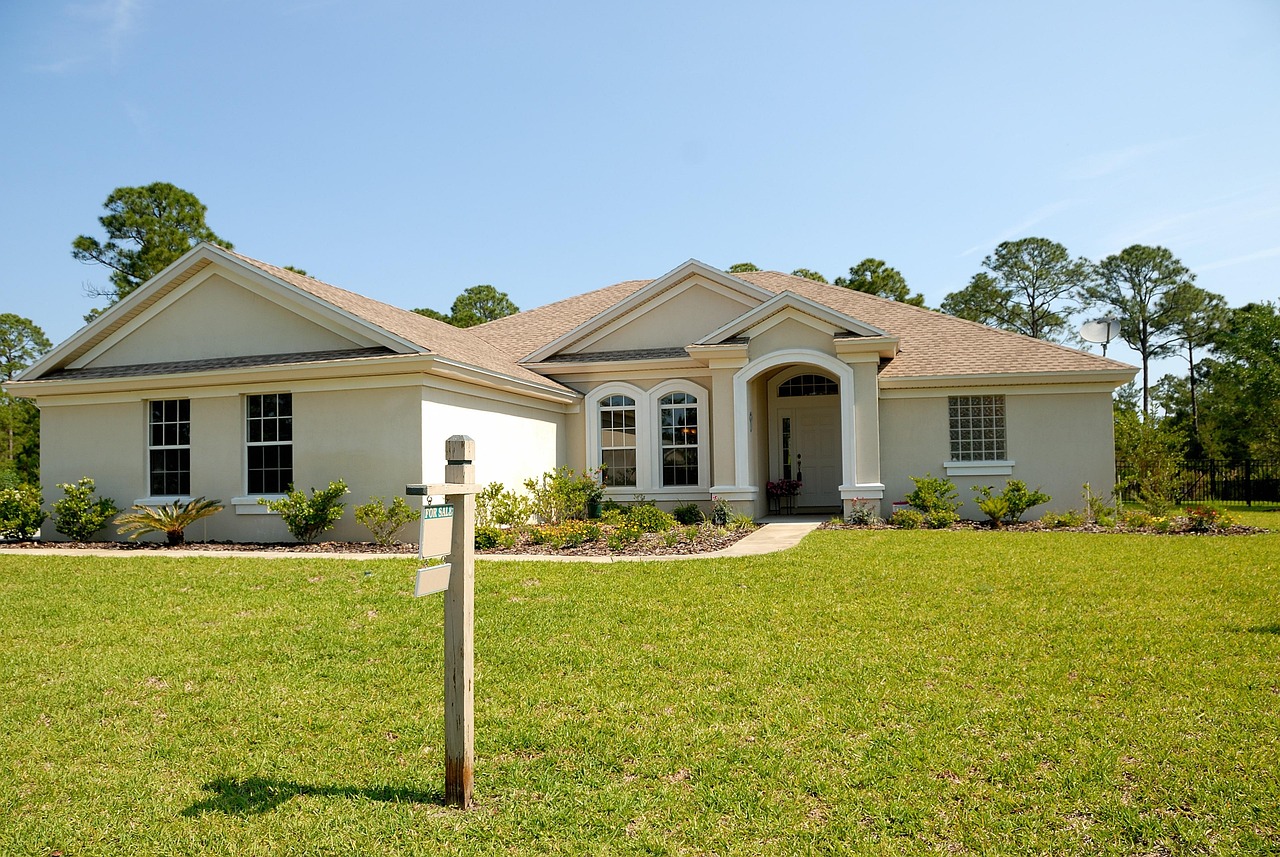
A home evaluation is a detailed report that compares a property to similar homes in the market to determine its current value. It involves gathering specific information about the property, such as size, condition, and upgrades, and analyzing recent sales of comparable homes. This process helps homeowners, buyers, and sellers make informed decisions based on accurate market data.
A home evaluation provides an estimate of a property’s worth by considering its unique features alongside real-time market trends, making it a valuable tool for anyone involved in real estate. Whether preparing to sell, refinance, or simply understand the value of their home, a professional evaluation delivers essential insights tailored to the local market dynamics.
This assessment often includes a review by real estate agents or online tools that use algorithms and market statistics. The result is a clear picture of how a home fits within the current competitive landscape, offering transparency and guidance for the next steps in any real estate transaction.
Understanding Home Evaluation
A home evaluation determines the market value of a property based on specific criteria and current market conditions. It guides homeowners and buyers by providing a realistic estimate grounded in relevant data, local trends, and property features. The process uses various approaches to give an accurate assessment.
What Is a Home Evaluation
A home evaluation, often called a property valuation or Comparative Market Analysis (CMA), estimates what a property could sell for in the current market. It involves analyzing the home’s size, condition, location, and comparable sales nearby.
Typically, a real estate agent or professional appraiser collects this information. The evaluation reflects demand, recent sales of similar homes, and any unique features or upgrades the home might have. It’s essential for those preparing to sell, refinance, or simply understand their home’s worth.
Benefits of a Professional Home Evaluation
Getting a professional evaluation reduces the risk of pricing a home incorrectly. This helps sellers avoid listing too high and discouraging buyers, or pricing too low and losing potential profit. Confidence in pricing supports more effective marketing and quicker sales.
Professional evaluations also provide insight into the home’s strengths and weaknesses. Sellers can make informed choices about improvements or repairs. Overall, it supports clear decision-making whether selling or refinancing.
Common Home Evaluation Methods
There are three primary methods used to evaluate home value:
- Comparative Market Analysis (CMA): Agents compare similar properties recently sold in the area. It is the most common and customer-focused method.
- Professional Appraisal: Certified appraisers use detailed inspections and market data to provide a formal report. Often required by lenders.
- Automated Valuation Models (AVMs): Online tools use algorithms and public records to estimate value quickly but may lack accuracy for unique properties.
Each method serves different purposes and levels of detail. Selecting the right one depends on the homeowner’s goals and the market situation.
Steps to Conduct a Home Evaluation
A thorough home evaluation requires careful preparation, selecting the right professional, understanding key value drivers, and accurately analyzing the results. Each step plays a crucial role in obtaining an accurate picture of a home’s worth.
Preparing Your Property
Before an evaluation, the home should be clean, organized, and free of clutter. This improves visibility and allows the evaluator to better assess the space.
Homeowners should address minor repairs such as leaky faucets, broken windows, or peeling paint. These small issues can affect perceptions of maintenance and value.
Gathering important documents like recent renovation records, property tax information, and utility bills helps provide context for the evaluator. A clear and accessible property facilitates a smoother and more efficient evaluation process.
Choosing a Qualified Evaluator
Selecting an evaluator with proper credentials and local market knowledge ensures accuracy. Look for certified appraisers or licensed home inspectors experienced in the specific region.
A qualified evaluator will use standardized methods and current market data to assess the property’s fair market value. They should also be able to explain their findings clearly and provide detailed reports.
Referral from trusted real estate professionals or verifying memberships with appraisal associations can be effective ways to identify credible evaluators.
Key Factors Impacting Value
Several elements directly influence a home’s valuation. Location is often the most significant factor, including proximity to amenities, schools, and transportation.
The home’s size, condition, age, and style also matter. Updates such as modern kitchens or energy-efficient features can increase value.
Market trends and comparable sales in the area provide context for evaluation. External factors like neighborhood stability and future development plans can have long-term impacts on worth.
Interpreting Evaluation Results
Evaluation reports include detailed descriptions, photographs, and comparable sales data. Understanding these components helps homeowners or buyers make informed decisions.
Focus on the appraiser’s final value estimate and notes on condition or defects. If the value seems low, checking the comparables and assumptions used can clarify the reasoning.
It is important to remember that an evaluation is an opinion of value at a specific time based on available data. Using the results alongside professional advice helps guide pricing or renovation decisions.

BlogBuzzNews Essential Insights for Staying Updated in 2025
BlogBuzzNews is a digital platform that delivers timely and relevant updates across variou…