

For drivers seeking dramatic improvements in nighttime visibility, safety, and vehicle aesthetics, an HID conversion kit represents one of the most impactful upgrades available. These comprehensive systems allow you to replace outdated halogen lighting with brilliant xenon technology, delivering triple the light output, superior efficiency, and a premium appearance that instantly modernizes any vehicle.
Understanding HID Conversion Kit Technology
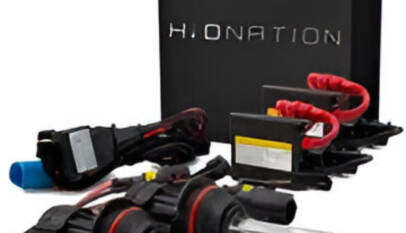
An HID conversion kit is a complete lighting upgrade package designed to replace your vehicle’s factory halogen headlights with High-Intensity Discharge xenon technology. These systems include everything necessary for a successful conversion: xenon bulbs engineered to fit standard headlight sockets, digital or magnetic ballasts that provide the high voltage required to ignite and sustain the xenon arc, comprehensive wiring harnesses with weatherproof connectors, and detailed installation instructions.
The core principle behind HID technology involves creating an electrical arc between two electrodes within a sealed quartz chamber filled with xenon gas and metal halide salts. When high voltage from the ballast arcs between the electrodes, it ionizes the xenon gas and vaporizes the metal salts, creating an intensely bright plasma that produces the characteristic brilliant white or blue-white light associated with premium vehicles.
Modern HID conversion kits have evolved significantly from early retrofit systems. Today’s kits feature plug-and-play designs that simplify installation, advanced digital ballasts that improve reliability and reduce electromagnetic interference, precisely engineered bulbs that maintain proper beam patterns, and sophisticated electronics that ensure compatibility with modern vehicle electrical systems.
Compelling Reasons to Install an HID Conversion Kit
Dramatic Visibility Enhancement
The most immediately noticeable benefit of installing an HID conversion kit is the extraordinary increase in light output. Quality HID systems produce approximately 3,000 lumens per bulb compared to roughly 1,000 lumens from typical halogen bulbs—a threefold improvement that dramatically extends your visual range and peripheral awareness.
This enhanced illumination transforms nighttime driving by extending your effective viewing distance by 50-70%, illuminating road shoulders and adjacent lanes more completely, making road signs and hazards visible at greater distances, improving your ability to detect pedestrians, animals, and obstacles, and reducing eye strain during extended nighttime travel. The safety implications are substantial, with research consistently showing that improved visibility correlates directly with reduced accident rates.
Superior Light Quality
Beyond raw brightness, HID conversion kits produce light with exceptional color quality. The typical color temperature range of 4,300K to 6,000K creates white to blue-white illumination that closely resembles natural daylight. This spectral quality allows your eyes to perceive colors more accurately and process visual information more naturally than the yellowish glow of halogen bulbs.
The daylight-similar quality of HID illumination reduces pupil dilation requirements, minimizes eye fatigue during long drives, improves depth perception and spatial awareness, and enhances color recognition of signs, signals, and lane markings. Many drivers report feeling significantly more confident and less tired after nighttime drives following their upgrade to HID technology.
Impressive Efficiency and Longevity
Despite producing dramatically more light, HID conversion kits actually consume less power than the halogen bulbs they replace. A typical HID system draws approximately 35 watts per bulb compared to 55-65 watts for halogen equivalents—a 30-40% reduction in power consumption that decreases strain on your vehicle’s electrical system and provides marginal fuel economy improvements.
Quality HID headlight conversion kits also deliver exceptional longevity, typically lasting 2,000 to 3,000 hours of operation. This represents two to three times the lifespan of halogen bulbs, translating to three to five years of service for drivers averaging two hours of nighttime driving daily. The extended lifespan stems from HID technology’s lack of fragile filaments that break from vibration or thermal stress.
Premium Aesthetic Appeal
HID conversion kits provide an immediate visual upgrade that gives any vehicle a premium, modern appearance. The brilliant white or blue-white light is associated with luxury vehicles and instantly elevates your car’s presence on the road. This aesthetic enhancement is one reason why HID conversions remain consistently popular among automotive enthusiasts seeking to improve both function and style.
HID Conversion Kit Components Explained
Xenon Bulbs
The bulbs are the visible heart of your HID conversion kit, producing the brilliant illumination that defines the system. Quality HID bulbs feature precisely manufactured quartz glass envelopes that withstand the intense heat and pressure generated during operation, carefully positioned tungsten electrodes that create the electrical arc, high-purity xenon gas that provides instant illumination during startup, and metal halide salt mixtures that produce the characteristic color temperature once fully warmed.
HID bulbs come in all standard sizes matching original halogen fitments—H1, H3, H4, H7, H11, 9004, 9005, 9006, 9007, and others. Selecting the correct bulb size for your vehicle is essential for proper fitment and performance.
Ballasts: The Power Management System
The ballast serves as the critical power management component in your HID conversion kit. It converts your vehicle’s 12-volt DC power to the high voltage required to ignite the xenon arc—typically 20,000-25,000 volts for ignition, then regulates steady-state voltage around 85 volts to sustain the plasma.
Digital ballasts represent current state-of-the-art technology, offering faster ignition times typically under one second, more stable light output without flickering, longer operational lifespan with improved reliability, reduced electromagnetic interference that won’t affect radio or electronics, and better protection against voltage fluctuations and electrical anomalies. While magnetic ballasts remain available at lower price points, digital ballasts deliver superior performance and reliability worth the modest additional investment.
Wiring Harnesses and Connectors
Quality HID conversion kits include comprehensive wiring harnesses with heavy-gauge wire that handles high currents without voltage drop, weatherproof connectors that resist corrosion in all conditions, proper fusing for electrical protection, and sometimes relay harnesses that provide direct battery power for maximum stability. These components ensure reliable electrical connections that maintain consistent performance throughout the system’s operational life.
Selecting the Perfect HID Conversion Kit
Determining Your Vehicle’s Requirements
Choosing the appropriate HID conversion kit begins with identifying your vehicle’s headlight bulb specifications. Your vehicle’s owner manual, the markings on your existing bulbs, or online fitment databases provide this essential information. Ensure you note whether your vehicle uses the same bulb size for low and high beams or requires different sizes for each function.
Some vehicles have separate bulbs for low beam, high beam, and fog lights. Decide which lights you want to convert—most drivers prioritize low beams for maximum impact, then consider high beams and fog lights as budget allows.
Color Temperature Selection
HID conversion kits are available in various color temperatures to suit different preferences:
4,300K: The factory standard for most luxury vehicles, producing neutral white light with maximum output and optimal visibility in all weather conditions. This temperature prioritizes practical performance over aesthetic considerations.
5,000K: Delivers pure white light with excellent visibility and a slightly crisper, more modern appearance than 4,300K. This represents an ideal balance between functionality and aesthetics for most drivers.
6,000K: Creates cool white light with a subtle blue tint that provides distinctive modern appearance while maintaining good visibility. This popular temperature appeals to enthusiasts seeking premium aesthetics without major visibility compromises.
8,000K and Above: Increasingly blue in appearance, these higher temperatures sacrifice measurable visibility for dramatic styling. While legal in some jurisdictions, they’re generally not recommended for practical driving applications where visibility matters most.
Quality Indicators
Not all HID conversion kits deliver comparable performance or reliability. Premium kits distinguish themselves through several quality markers:
Reputable Brand Names: Established manufacturers like Philips, Osram, Morimoto, and other recognized brands invest heavily in research, development, and quality control that delivers measurably superior results compared to generic alternatives.
Digital Ballast Technology: Modern digital ballasts provide significant advantages over older magnetic designs in reliability, performance, and longevity.
Comprehensive Warranties: Quality manufacturers back their products with warranties of two years or more, reflecting confidence in their engineering and component quality.
Complete Installation Support: Premium kits include detailed instructions, technical support access, and sometimes online video tutorials that ensure successful installation.
Installation Guidelines and Best Practices
Most HID conversion kits are designed for straightforward installation that enthusiasts with moderate mechanical skills can complete using basic tools. The typical process involves accessing your vehicle’s headlight assemblies, removing the factory halogen bulbs, installing the HID bulbs with proper orientation, mounting the ballasts securely in protected locations, routing wiring carefully to avoid pinching or chafing, and connecting all components according to provided instructions.
Critical Installation Considerations
When handling HID bulbs, avoid touching the quartz glass envelope with bare hands. Skin oils can create hot spots that reduce performance or cause premature failure. Always use clean gloves or the protective sleeves provided with quality kits.
Mount ballasts in locations that protect them from direct water exposure while allowing adequate heat dissipation. Secure mounting prevents vibration damage that can lead to premature component failure. Use the mounting brackets or hardware provided with your kit to ensure everything remains firmly positioned.
After completing the physical installation, verify proper headlight alignment. The intense output of HID systems means even slight misalignment can create dangerous glare for oncoming traffic. Professional alignment ensures you maximize visibility while maintaining consideration for other drivers.
Troubleshooting Common Issues
Flickering or Ignition Problems
If your HID kit flickers or fails to ignite consistently, check all electrical connections for tightness and corrosion, verify ballasts are receiving adequate voltage from the vehicle’s electrical system, ensure ground connections are clean and secure, and confirm ballasts are protected from moisture intrusion. Most ignition issues trace to electrical connection problems rather than component failures.
Color Temperature Mismatch
If your bulbs display different color temperatures, one bulb may be nearing end-of-life or you may have inadvertently installed mismatched bulbs. Replace bulbs in pairs to maintain consistent color and brightness across both headlights.
Dashboard Warning Lights
Some modern vehicles display warning lights after HID installation due to the reduced power draw compared to halogen bulbs. CANbus-compatible conversion kits include built-in decoders that prevent these false errors. If warnings persist despite using CANbus-compatible kits, consult the manufacturer for additional solutions specific to your vehicle.
Legal and Safety Compliance
Before installing an HID conversion kit, research your local regulations regarding aftermarket lighting modifications. Most jurisdictions allow HID upgrades provided they maintain proper beam patterns, appropriate color temperatures typically below 8,000K, and don’t create excessive glare for other motorists.
The most critical safety consideration involves proper beam pattern. HID bulbs in reflector housings designed for halogen bulbs can produce scattered light that blinds other drivers. For best results and legal compliance, consider upgrading to projector-style headlight assemblies specifically designed for HID technology. These housings properly focus and direct the intense HID output, maximizing your visibility while minimizing impact on others.
Comparing HID to Alternative Technologies
HID vs. Halogen
The advantages of HID conversion over halogen are overwhelming. HID systems produce three times more light, last two to three times longer, consume 30-40% less power, generate superior light quality, and provide enhanced safety through improved visibility. The only advantage halogen retains is lower initial cost—a benefit that evaporates when considering the total ownership value proposition.
HID vs. LED
Comparing HID to LED technology reveals more nuanced trade-offs. HID systems typically produce higher maximum output, making them ideal for drivers prioritizing absolute brightness. LED systems offer instant illumination versus HID’s warm-up period, potentially longer lifespan, even lower power consumption, and simpler installation without ballasts. The choice often depends on individual priorities, with HID remaining the brightness champion while LED excels in convenience and longevity.
Maximizing Your HID Conversion Investment
To ensure optimal performance and longevity from your HID conversion kit, follow several best practices. Clean your headlight lenses thoroughly before installation—even the brightest HID system cannot overcome cloudy, oxidized lenses. Consider wet-sanding and polishing severely degraded lenses or replacing them entirely for maximum light transmission.
After installation, periodically inspect all connections for signs of corrosion or looseness, particularly if you frequently drive in wet conditions. Verify ballasts remain securely mounted and protected from moisture. Clean headlight lenses regularly to maintain optimal light output.
If one bulb eventually fails, replace both bulbs simultaneously to maintain consistent color temperature and light output. Color differences between aged and new bulbs can be visually distracting and may affect your vehicle’s appearance.
Making Your Upgrade Decision
Upgrading to an HID conversion kit represents one of the most valuable improvements you can make to your vehicle’s safety equipment and overall driving experience. The combination of exceptional brightness, superior light quality, impressive efficiency, and premium aesthetics makes HID technology a worthwhile investment for any driver who regularly operates their vehicle in low-light conditions.
When selecting your conversion kit, prioritize quality components from reputable manufacturers who stand behind their products with comprehensive warranties and knowledgeable customer support. The investment in a premium HID lighting conversion kit delivers years of reliable, high-performance illumination that transforms your nighttime driving while adding lasting value to your vehicle.
The transformation that a quality HID conversion kit brings to your driving experience is profound. From the moment you activate your upgraded lighting system and witness the brilliant, expansive illumination spreading across the road ahead, you’ll appreciate the enhanced confidence and security that superior visibility provides. Every nighttime drive becomes safer, less stressful, and more enjoyable when you can clearly see what lies ahead, making the HID conversion one of the smartest automotive upgrades you can make.
Freight Forwarding Services in Canada: How Progressive Cargo Simplifies Global Logistics
Freight forwarding plays a crucial role in today’s interconnected global economy. Business…