
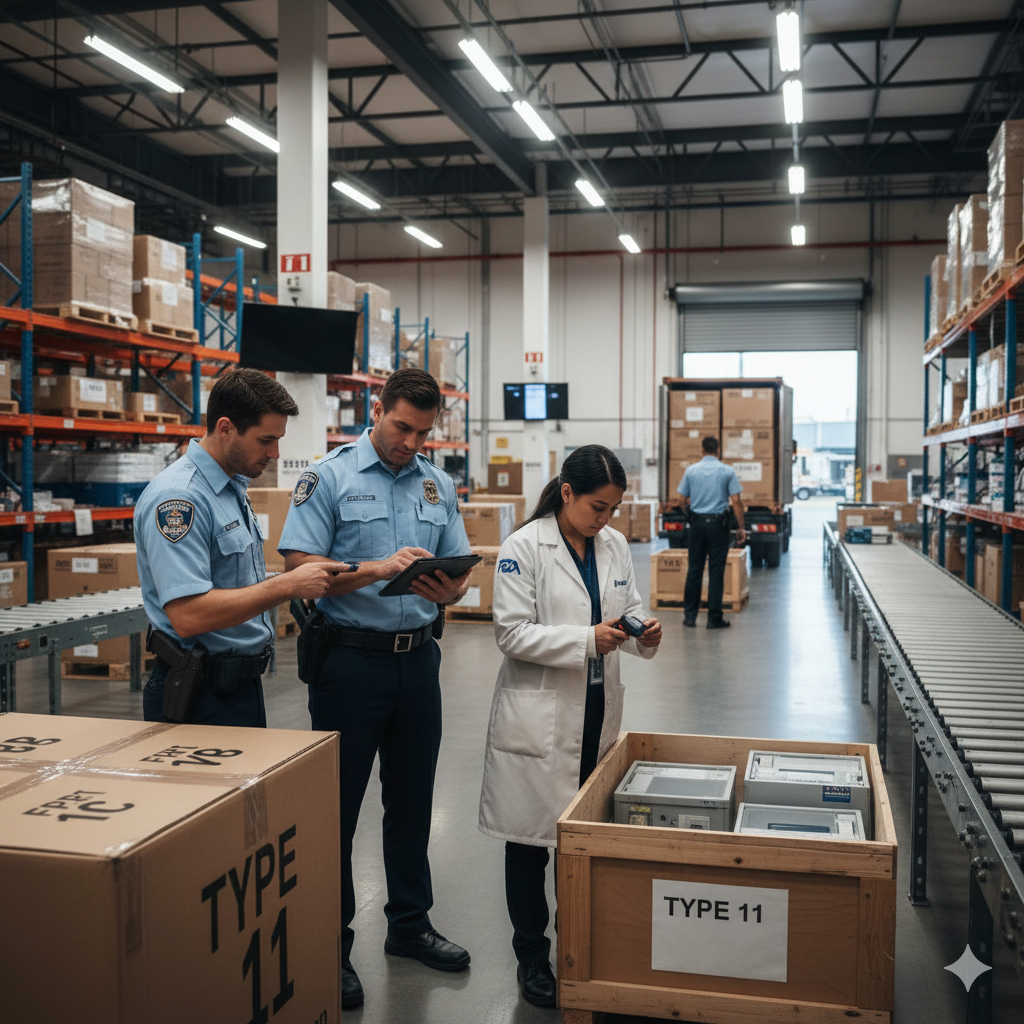
Importing products regulated by the FDA involves a detailed process to ensure safety and compliance with U.S. laws. Whether the goods are food, drugs, medical devices, or cosmetics, importers must meet specific FDA requirements, including prior notifications and adherence to customs clearance protocols. The FDA import reviews all regulated imports regardless of quantity or value, aiming to prevent unsafe products from entering the U.S. market.
Understanding the FDA’s import regulations is crucial for manufacturers, distributors, and importers to avoid shipment delays or detentions. The agency uses import alerts and screening processes to enforce compliance and safeguard public health. Navigating these rules requires clarity on registration, documentation, and product standards.
With regulatory oversight constantly evolving, those involved in import activities must stay informed and prepared. This ensures smooth entry of products into U.S. markets while aligning with FDA policies designed to manage risk and maintain consumer safety.
FDA Imports Process Overview
The FDA imports process ensures that all products entering the U.S. comply with federal safety and quality standards. It involves regulatory adherence, detailed entry procedures, and comprehensive document submissions to facilitate clearance.
Key Regulations for Imported Products
Imported goods must comply with the Food, Drug, and Cosmetic Act, along with other applicable laws such as the Public Health Service Act. The FDA enforces these regulations to ensure the safety of food, drugs, medical devices, and cosmetics.
Importers are subject to specific mandates including facility registration, adherence to product-specific guidelines like HACCP for seafood or juice, and compliance with the Foreign Supplier Verification Program (FSVP). Failure to meet these standards can trigger detention or refusal at the border.
The FDA may detain products based on the appearance of violations, but importers have the right to provide evidence to refute such claims or bring products into compliance before release.
Import Entry and Clearance Procedures
The import process begins with entry filing at U.S. Customs and Border Protection (CBP), who works closely with the FDA. Importers must submit entries for examination, and the FDA reviews the shipment for compliance.
Upon arrival, shipments may undergo physical inspection or lab testing if flagged for potential violations. The FDA uses risk-based factors and import alerts to prioritize inspections. Clearance is granted only when all regulatory requirements are met.
There are different types of entries, including commercial, informal, and warehouse entries. Each follows specific procedural steps, but all require FDA review before release into U.S. commerce.
Required Documentation
Proper documentation is critical to avoid delays or refusals. Importers must submit a Prior Notice to the FDA before arrival, detailing information such as product description, manufacturer, shipment details, and importer identity.
Additional documents depend on the product type and may include facility registration numbers, certificates of analysis, import permits, and compliance attestations. Incomplete or inaccurate documentation can lead to detention or refusal.
Timely and accurate submissions ensure efficient clearance and help maintain compliance with FDA requirements. Record-keeping is essential for traceability and post-entry audits.
Compliance and Enforcement in FDA Imports
FDA import compliance requires detailed inspection protocols, clear criteria for detentions, and the use of import alerts to enforce safety standards. The agency works closely with Customs and Border Protection (CBP) to monitor shipments and address violations promptly.
Inspection and Examination Procedures
FDA inspections of imported goods involve both documentation and physical examination. Inspectors review prior notice submissions to verify that shipments comply with safety standards and regulatory requirements. Physical examinations may include sampling, testing, and visual inspection to detect adulteration, contamination, or mislabeling.
The FDA coordinates with CBP at ports of entry, using risk-based criteria to select shipments for examination. Inspections focus on regulated product categories such as food, drugs, medical devices, and cosmetics. Proper facility registration and adherence to import protocols reduce the likelihood of delays or enforcement actions.
Common Reasons for Detention
Shipments detained by the FDA often fail to meet safety or labeling standards. Common causes include microbial contamination, incorrect ingredient declarations, failure to meet facility registration requirements, and lack of prior notice. Detentions also occur when documentation is incomplete or inaccurate.
Products may be detained if testing reveals the presence of harmful substances or if they violate safety standards set by the FDA. Lack of compliance with traceability and record-keeping under FSMA rules may also trigger enforcement. Detention can lead to refusal of entry, destruction, or re-export of the shipment.
Import Alerts and Refusals
Import alerts are tools FDA uses to identify products or manufacturers with a history of violations. When an import alert is active, shipments from listed entities can be detained without physical examination, streamlining enforcement. FDA updates these alerts regularly to address emerging risks.
Refusals occur when shipments fail to meet FDA standards after inspection or testing. Refused goods must be corrected, destroyed, or exported. Import alerts and refusals help protect public health by preventing unsafe products from entering the U.S. market, while encouraging compliance among importers and manufacturers.
BlogBuzzNews Essential Insights for Staying Updated in 2025
BlogBuzzNews is a digital platform that delivers timely and relevant updates across variou…