
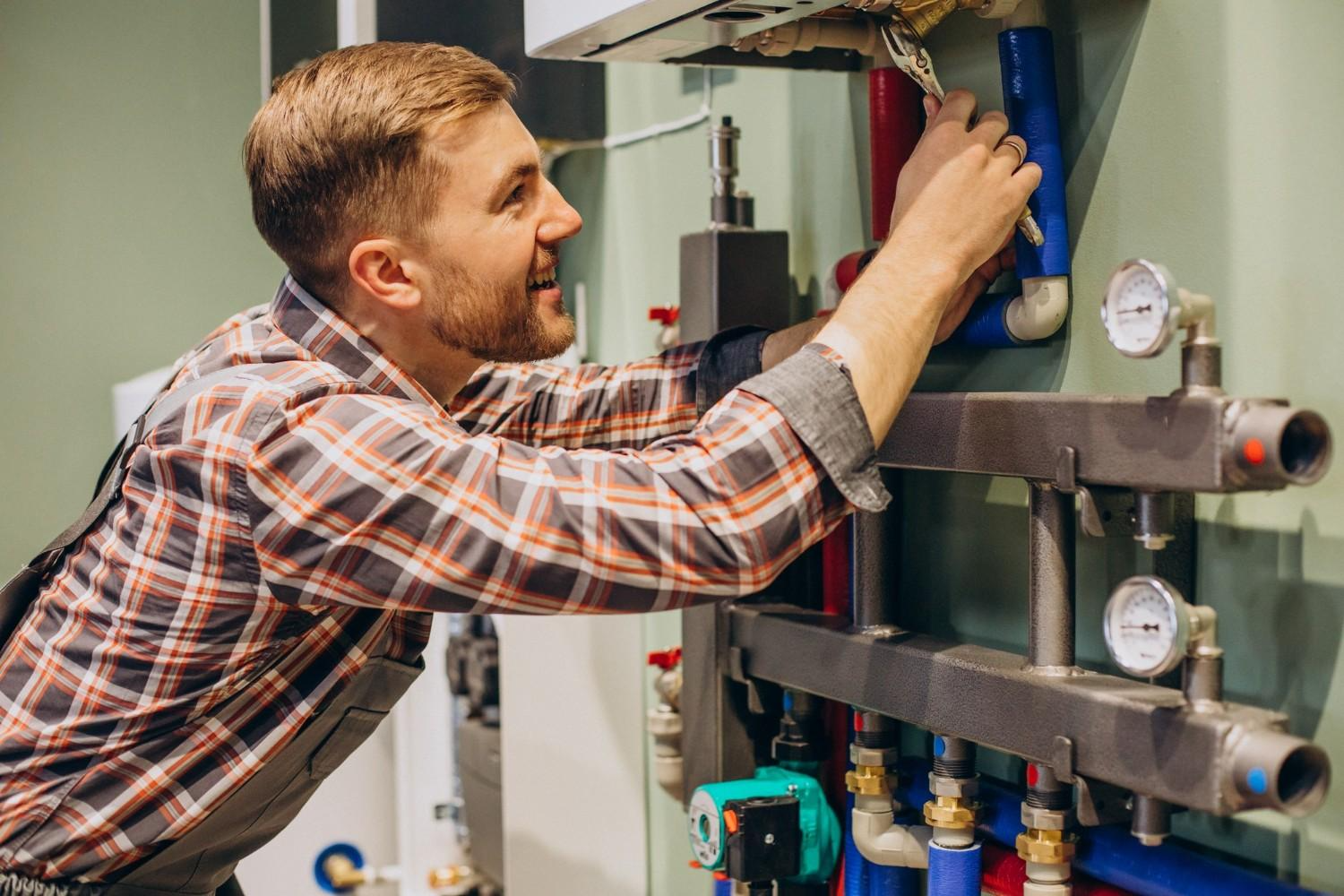
Winter places increased pressure on every part of a home, from heating systems to structural elements. Colder temperatures, higher moisture levels, and reduced daylight can quickly expose weaknesses that remain unnoticed during warmer months. Essential winter maintenance is not about reacting to problems but preventing them before they escalate. By preparing key systems in advance, homeowners can maintain comfort, safety, and efficiency throughout the colder season while avoiding unnecessary stress and costly disruptions when winter conditions are at their harshest.
Why Winter Maintenance Is Crucial for UK Homes
UK winters bring a combination of cold air, frequent rainfall, and fluctuating temperatures that challenge residential properties. These conditions can affect internal systems and external structures alike. When homes are not prepared, minor issues may worsen due to cold expansion, dampness, or increased system use.
Maintenance helps ensure that heating, plumbing, ventilation, and insulation continue to perform as expected. It also reduces the likelihood of moisture penetrating vulnerable areas, which can lead to long-term structural damage. Proactive winter care allows systems to operate efficiently while supporting a stable indoor environment. Without preparation, even modern homes can experience unnecessary wear that impacts comfort and reliability.
Seasonal Risks That Develop in Winter
Cold weather increases strain on heating systems, encourages condensation, and slows drying times. Combined, these factors heighten the importance of preventive care.
Preparing Your Heating System Before Winter Sets In
- Prepare heating systems early to avoid winter breakdowns
- Ensure radiators heat evenly and pressure levels are correct
- Check thermostats for accurate temperature control
- Keep vents and outlets clear for efficient airflow
- Bleed radiators and maintain circulation for steady heating
Gas Safety and Winter Readiness
Gas-powered appliances see increased use during winter, making safety checks particularly important. Systems that operate under heavy demand must remain well-maintained to prevent inefficiency or malfunction. Routine inspections help ensure safe operation while supporting consistent heat delivery.
Qualified gas engineers Cardiff play an essential role in assessing gas systems before winter demand peaks. Their expertise helps confirm that appliances function safely and efficiently, reducing the risk of unexpected issues. Regular gas maintenance supports indoor safety while maintaining system reliability during colder months when heating is most critical.
Protecting Plumbing and Pipework From Cold Weather
Cold temperatures can have a significant impact on plumbing systems. Pipes exposed to low temperatures may contract, increasing the risk of restricted flow or damage. Preventive care helps maintain water movement and protects fittings from unnecessary strain.
Lagging exposed pipes and maintaining consistent indoor temperatures reduces the likelihood of cold-related stress. Internal plumbing areas, including cupboards and service voids, should remain adequately ventilated while avoiding prolonged cold exposure. Regular checks allow homeowners to address vulnerabilities before they escalate into more serious issues during winter.
Insulation and Early Prevention
Pipe insulation and temperature regulation provide reliable protection against winter-related plumbing strain.
Kitchen Areas That Need Extra Attention in Winter
Kitchens experience heavier use during winter, increasing demand on plumbing, appliances, and ventilation. Regular maintenance helps ensure that these systems continue to perform effectively under increased pressure.
Checking under-sink pipework, appliance connections, and ventilation outlets helps prevent moisture build-up and inefficiency. During colder months, kitchens must balance warmth with airflow to reduce condensation. Input from kitchen fitters can support effective layouts and system compatibility, ensuring fittings perform well throughout winter without placing unnecessary strain on surrounding components.
Preventing Damp, Condensation, and Moisture Build-Up
Winter conditions increase indoor humidity levels as windows remain closed and heating systems run continuously. Without proper ventilation, moisture can accumulate, leading to condensation on walls and ceilings. Over time, this may weaken surfaces and reduce indoor comfort.
Preventive maintenance focuses on managing airflow and maintaining balanced humidity levels. Extractor fans, vents, and air pathways should function effectively to support moisture control. Addressing condensation early helps preserve surfaces and reduces the risk of longer-term deterioration during colder months.
Ventilation and Airflow Balance
Maintaining consistent airflow supports moisture control while retaining indoor warmth.
Roofs, Gutters, and External Checks Before Winter
- Keep roofs and gutters clear to prevent water build-up
- Check tiles, flashing, and drainage for damage
- Reduce risk of leaks, dampness, and water ingress
Windows, Doors, and Heat Retention
- Inspect seals, frames, and fittings for draughts
- Prevent heat loss and cold air entry
- Improve energy efficiency and indoor comfort
Electrical and Safety Checks During Winter Months
Electrical systems experience increased use in winter due to lighting, heating controls, and appliances. Ensuring wiring, sockets, and fixtures remain in good condition helps maintain safety and reliability.
Lighting should function correctly in darker months, particularly in entryways and outdoor areas. Regular checks help identify wear or faults before they pose a risk. Safe electrical operation supports both comfort and security during winter, when reliance on these systems increases.
Creating a Simple Winter Maintenance Routine
An organised approach to winter maintenance helps homeowners manage tasks efficiently without feeling overwhelmed. Prioritising key systems ensures essential areas receive attention before cold weather intensifies.
A simple routine may include:
- Pre-winter inspections of heating and plumbing
- Mid-season checks for moisture and airflow
- Ongoing monitoring of system performance
Consistency allows minor issues to be addressed early, reducing disruption during the winter months.
Long-Term Benefits of Consistent Winter Maintenance
Regular winter maintenance provides benefits that extend beyond a single season. Homes that receive consistent care experience fewer system failures and maintain better structural condition over time, especially when areas such as kitchens are reviewed with input from kitchen fitters Cardiff. Preventive action reduces repair costs and supports efficient operation across all household systems.
Well-maintained homes offer greater comfort, improved safety, and enhanced durability. Winter preparation also supports long-term property value by protecting materials and systems from seasonal stress. The cumulative effect of regular maintenance creates a more resilient and dependable living environment year after year.

Conclusion
Winter maintenance is an essential responsibility for UK homeowners who value safety, comfort, and efficiency. Addressing key systems before colder weather sets in helps prevent avoidable issues and supports reliable performance throughout the season. From heating and plumbing to ventilation and structure, proactive care protects the home as a whole. By prioritising preventive maintenance, homeowners create a stable indoor environment while reducing long-term risks. AO Builders Cardiff recognises the importance of preparing homes properly for winter conditions.
Freight Forwarding Services in Canada: How Progressive Cargo Simplifies Global Logistics
Freight forwarding plays a crucial role in today’s interconnected global economy. Business…