
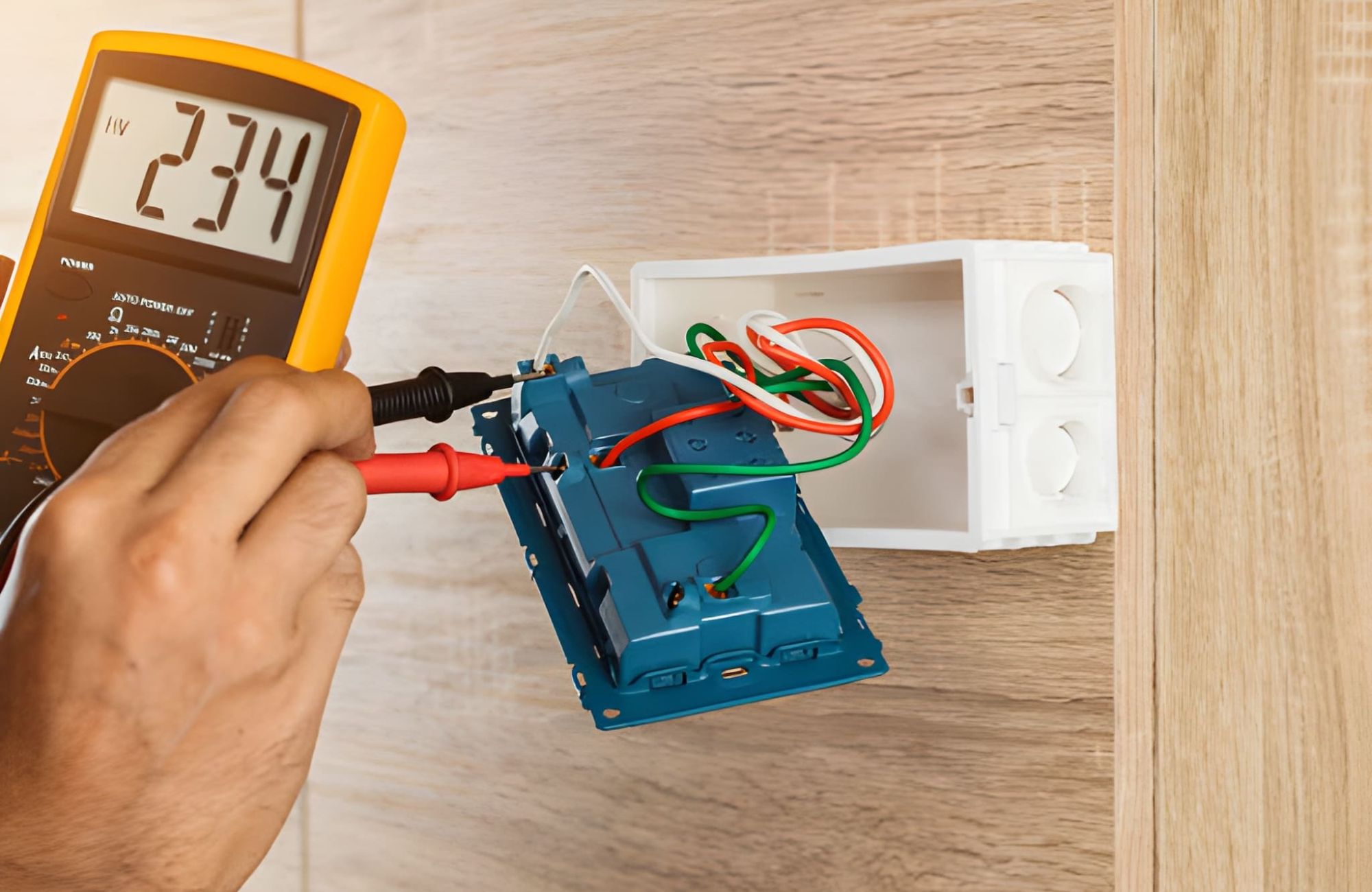
Mile End sits at the intersection of historic London housing and modern urban living. From Victorian terraces and converted flats to purpose-built rental blocks, the area’s electrical infrastructure reflects decades of adaptation. This makes an EICR in Mile End more than a regulatory obligation—it is a vital assessment of whether a property’s electrical systems can safely meet contemporary demands.
What an EICR Really Evaluates in Practice
An Electrical Installation Condition Report assesses the condition of fixed electrical systems, focusing on safety, deterioration, and suitability for continued use.
The Technical Scope of an EICR
A professional inspection examines:
- Consumer units and protective devices
- Earthing and bonding integrity
- Fixed cabling concealed within walls and ceilings
- Socket outlets, switches, and fused spurs
- Evidence of overheating, moisture ingress, or mechanical damage
During an EICR in Mile End, inspectors often encounter layered electrical histories—original wiring supplemented by multiple upgrades over time. These layered systems can introduce hidden risks if not correctly integrated.
Why Mile End Properties Require Closer Electrical Scrutiny
Legacy Housing and Conversion Complexity
Many Mile End properties have undergone conversions to maximise rental yield. While legally permitted, these alterations often stress electrical systems originally designed for single-family use. Common issues include:
- Insufficient circuit capacity
- Shared earthing arrangements between flats
- Consumer units installed without full modern protection
An EICR in Mile End identifies whether such adaptations remain safe under current electrical standards.
Increased Electrical Load from Modern Living
Remote work, high-efficiency appliances, and electric heating solutions have significantly increased base electrical demand. Older installations may function on the surface while operating beyond their intended limits, accelerating wear and raising fire risk.
Legal Responsibilities for Landlords and Managing Agents
Statutory Requirements in England
Landlords must ensure:
- A valid EICR every five years (or sooner if specified)
- Copies provided to tenants and local authorities upon request
- Remedial works completed within mandated timeframes
Failure to act on unsatisfactory findings exposes landlords to enforcement action and potential civil liability.
Real-World Enforcement Trends
In practice, many compliance issues arise during licensing reviews, insurance renewals, or property sales. Electrical defects discovered late can delay transactions and reduce buyer confidence. Providers such as London Property Inspections support landlords by aligning inspection findings with legal documentation requirements, avoiding last-minute compliance issues.
Understanding EICR Classification Codes
Decoding the Results
EICRs categorise observations using standard codes:
- C1 – Danger Present: Immediate action required
- C2 – Potentially Dangerous: Urgent remedial work needed
- C3 – Improvement Recommended: Not unsafe, but below modern standards
A report marked “unsatisfactory” does not imply wholesale rewiring is inevitable. It signals targeted issues that must be addressed to restore safety.
Typical Findings in Mile End
During an EICR in Mile End, inspectors frequently identify:
- Absence of RCD protection on socket circuits
- Inadequate bonding to gas or water services
- Consumer units nearing the end of their service life
Addressing these issues often improves both safety and property marketability.
Strategic Timing of an EICR
Between Tenancies
Conducting inspections during void periods reduces tenant disruption and allows remedial work to proceed efficiently.
Before Major Works or Sale
Electrical compliance is increasingly scrutinised during due diligence. A current EICR strengthens negotiation positions and reduces the risk of price renegotiation due to late discoveries.
Experienced firms like London Property Inspections often integrate EICRs into broader property risk strategies, helping owners plan upgrades rather than react to failures.
Key Takeaways for Mile End Property Owners
- An EICR in Mile End is a proactive safety and risk management tool
- Converted and older properties face higher electrical complexity
- Understanding EICR codes allows smarter budgeting and prioritisation
- Early inspections prevent legal, financial, and transactional delays
- Strategic compliance protects both occupants and asset value
Electrical systems underpin every aspect of modern living. In a diverse and evolving area like Mile End, maintaining verified electrical safety is not just about meeting regulations—it is about safeguarding people, investments, and long-term property performance.
FAQs
Is an EICR mandatory for all rental properties?
Yes, in England, private rental properties must have a valid EICR, regardless of property age.
How long does an EICR inspection usually take?
Typically between two and four hours, depending on property size and complexity.
Can tenants remain in the property during the inspection?
Yes, though access to all areas is required. Temporary power interruptions may occur.
Does a C3 code require immediate action?
No, but addressing C3 recommendations can improve safety and reduce future compliance costs.
Will remedial work require a reinspection?
Only the affected circuits require certification once remedial work is completed.
Freight Forwarding Services in Canada: How Progressive Cargo Simplifies Global Logistics
Freight forwarding plays a crucial role in today’s interconnected global economy. Business…