
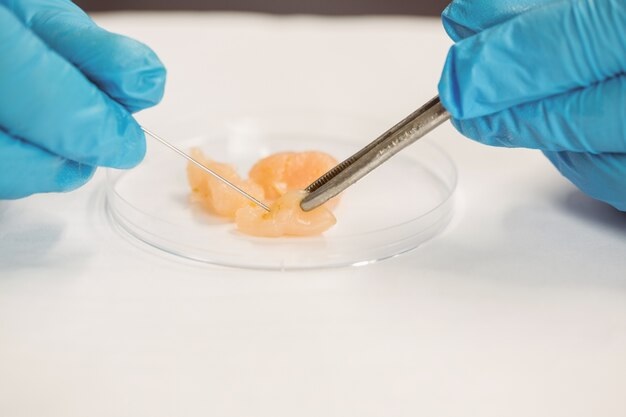
The egg freezing procedure, also known as oocyte cryopreservation, is a modern fertility preservation method that allows women to safeguard their ability to conceive in the future. With changing lifestyles, career priorities, medical conditions, and personal choices, egg freezing has become an empowering option for women who want flexibility in planning motherhood. This article explains the egg freezing procedure in detail, including steps, benefits, risks, cost considerations, and who should consider it.
What Is the Egg Freezing Procedure?
The egg freezing procedure involves collecting a woman’s eggs, freezing them at a very low temperature, and storing them for future use. These frozen eggs can later be thawed, fertilized with sperm, and implanted in the uterus through IVF when pregnancy is desired. The quality of eggs is closely linked to age, which is why many women choose egg freezing in their 20s or early 30s.
Why Do Women Choose Egg Freezing?
There are several reasons why women opt for the egg freezing procedure:
-
Career and education planning
-
Delayed marriage or lack of a suitable partner
-
Medical reasons, such as cancer treatment or ovarian disorders
-
Family history of early menopause
-
Personal choice for reproductive autonomy
Egg freezing offers peace of mind and control over reproductive decisions.
Step-by-Step Egg Freezing Procedure
1. Initial Consultation and Testing
The process begins with a fertility consultation. Doctors assess ovarian reserve through blood tests (AMH, FSH) and ultrasound scans. These tests help determine the expected response to treatment.
2. Ovarian Stimulation
Hormonal injections are given for 8–12 days to stimulate the ovaries to produce multiple eggs in one cycle. During this phase, regular monitoring is done through ultrasounds and blood tests to track egg development.
3. Egg Retrieval
Once the eggs mature, they are retrieved using a minimally invasive procedure under mild anesthesia. A thin needle guided by ultrasound is used to collect the eggs. The procedure usually takes 15–30 minutes, and recovery is quick.
4. Freezing and Storage
Healthy mature eggs are frozen using a rapid freezing technique called vitrification. The eggs are then stored in specialized cryogenic tanks until needed.
Ideal Age for Egg Freezing
Although the egg freezing procedure can be done at almost any reproductive age, the best time is between 25 and 35 years. Eggs frozen at a younger age have better quality and higher success rates when used later. Freezing eggs after 38 may still be possible but with reduced effectiveness.
Benefits of Egg Freezing Procedure
-
Preserves fertility for future pregnancy
-
Improves chances of healthy conception later
-
Reduces pressure related to biological clock
-
Helpful before medical treatments affecting fertility
-
Provides emotional and reproductive security
Risks and Side Effects
The egg freezing procedure is generally safe, but like any medical treatment, it may have mild risks such as:
-
Temporary bloating or discomfort
-
Hormonal side effects like mood swings
-
Rare cases of ovarian hyperstimulation syndrome (OHSS)
-
Minor risks related to anesthesia during egg retrieval
Choosing an experienced fertility clinic significantly minimizes these risks.
Success Rate of Egg Freezing
Success depends on multiple factors, including age at freezing, number of eggs frozen, and overall reproductive health. On average, freezing 10–20 eggs at a younger age increases the likelihood of at least one successful pregnancy in the future.
Cost of Egg Freezing Procedure
The cost of the egg freezing procedure varies by clinic and location. It usually includes consultation, medications, egg retrieval, freezing, and storage charges. While the upfront cost may seem high, many women view it as a long-term investment in reproductive choice and flexibility.
Who Should Consider Egg Freezing?
Egg freezing is suitable for:
-
Women delaying pregnancy for personal or professional reasons
-
Those undergoing chemotherapy or radiation therapy
-
Women with fertility-related medical conditions
-
Individuals seeking reproductive reassurance
Final Thoughts
The egg freezing procedure is a safe and effective fertility preservation option for women who want to plan motherhood on their own timeline. With advancements in reproductive technology, egg freezing has become more accessible and reliable than ever. Consulting a qualified fertility specialist can help determine the right time and approach based on individual needs. By understanding the process, benefits, and considerations, women can make informed and confident decisions about their reproductive future.


Freight Forwarding Services in Canada: How Progressive Cargo Simplifies Global Logistics
Freight forwarding plays a crucial role in today’s interconnected global economy. Business…