Introduction to Denim Tears Clothing
Denim Tears clothing isn’t just something you throw on before stepping out the door—it’s something you carry. It carries history, emotion, resistance, and truth. In a world flooded with fast fashion and copy-paste streetwear brands chasing hype, Denim Tears stands out by doing the opposite. It slows things down. It asks questions. And sometimes, it makes people uncomfortable—and that’s exactly the point.
At its core, Denim Tears is a fashion label that uses clothing as a storytelling tool. Each hoodie, jean, or T-shirt feels like a chapter ripped straight out of history, stitched together with intention. This brand doesn’t scream for attention with flashy logos or loud colors. Instead, it speaks softly but powerfully, inviting you to look closer, think deeper, and reflect on narratives that often get ignored or erased.
What makes Denim Tears resonate so strongly with modern audiences—especially younger generations—is its honesty. It doesn’t try to sell a lifestyle of luxury or unattainable perfection. It sells awareness. It sells memory. It sells meaning. And in today’s culture, where people crave authenticity more than ever, that approach feels refreshing.
Denim Tears exists at the intersection of streetwear, art, and activism. It’s worn by creatives, musicians, and everyday people who understand that clothing can be more than fabric—it can be a form of protest, a tribute, and a conversation starter all at once. Whether you’re deeply familiar with its symbolism or just beginning to explore its story, one thing becomes clear quickly: Denim Tears isn’t here to follow trends. It’s here to tell the truth, one garment at a time.
The Founder Behind Denim Tears
Tremaine Emory: The Visionary Mind
To understand Denim Tears, you have to understand Tremaine Emory. He isn’t just a designer; he’s a cultural architect. His background stretches far beyond fashion, touching music, art, and creative direction. Over the years, Tremaine has worked closely with some of the most influential names in contemporary culture, and that exposure shaped his understanding of how powerful storytelling can be when done right.
What sets Tremaine apart is his refusal to separate creativity from responsibility. For him, fashion isn’t just about looking good—it’s about saying something meaningful. He approaches design the same way a writer approaches a book or an artist approaches a canvas. Every piece has a reason for existing. Every symbol has a backstory.
Growing up immersed in Black culture and history, Tremaine saw firsthand how narratives are often rewritten or erased. Denim Tears became his way of reclaiming those stories and placing them where people can’t ignore them—on their bodies, in public spaces, in everyday life.
Creative Philosophy and Purpose
The philosophy behind Denim Tears is simple but heavy: clothing should mean something. In an industry obsessed with speed and sales, Tremaine chose depth and purpose. Instead of seasonal trends, Denim Tears focuses on cultural moments, historical references, and emotional resonance. This approach makes the brand feel personal. When you wear Denim Tears, it doesn’t feel like you’re wearing a logo—it feels like you’re participating in a dialogue. That’s intentional. Tremaine doesn’t design for everyone, and he’s okay with that. Denim Tears is for people who are willing to engage, reflect, and respect the stories being told.
The Meaning Behind the Name “Denim Tears”
Symbolism of Denim in American History
Denim is one of the most iconic fabrics in American history. It represents labor, endurance, and utility. From factory workers to farmers, denim has always been tied to hard work. But Denim Tears digs deeper, uncovering the often-overlooked connection between denim and Black labor in America. For centuries, Black bodies were the backbone of agricultural and industrial labor. Denim, as a fabric, silently witnessed that history. By using denim as a primary medium, Denim Tears forces us to confront those truths instead of glossing over them.
Tears as a Metaphor
The “tears” in Denim Tears aren’t just about sadness—they’re about remembrance. They symbolize pain, resilience, and survival. Tears are human. They mark moments of grief, but also healing. When combined with denim, the name becomes a powerful metaphor for generations of struggle woven into everyday American life. It’s poetic, raw, and honest. And that honesty is what gives the brand its emotional weight.
Denim Tears as a Cultural Statement
Fashion as Social Commentary
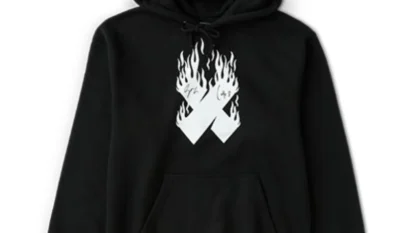
Denim Tears doesn’t shy away from addressing America’s racial history. In fact, it leans into it. Each collection feels like a visual essay, challenging wearers and observers to think critically about the past and its impact on the present. Denim Tears Hoodie Instead of slogans or loud messaging, Denim Tears uses symbolism. Cotton wreaths, historical references, and minimal design choices speak volumes without saying a word. It’s subtle, but it hits hard.
Bridging Past and Present
What makes Denim Tears especially powerful is its ability to connect historical trauma with modern fashion. It doesn’t feel stuck in the past, nor does it ignore it. Instead, it bridges generations, reminding us that history isn’t something behind us—it’s something we’re still living with.
Iconic Designs and Collections
The Cotton Wreath Collection
If there’s one design that instantly defines Denim Tears, it’s the cotton wreath. Simple at first glance, yet emotionally loaded, this symbol sparked conversations across fashion, culture, and history. Cotton isn’t just a crop—it’s a reminder. For Black Americans, cotton represents centuries of forced labor, pain, and exploitation. Denim Tears takes that painful symbol and reframes it, not to glorify the past, but to acknowledge it openly.
The cotton wreath design wraps that history into a circular form, symbolizing cycles—cycles of trauma, resilience, survival, and remembrance. When people first saw the design, reactions were mixed. Some praised it for its bravery and honesty. Others felt discomfort, even anger. But that discomfort is exactly what makes the design powerful. Denim Tears doesn’t aim to please everyone; it aims to make people feel something.
What truly sets the cotton wreath apart is how quietly loud it is. There’s no explanation stitched into the fabric. No footnotes. Just a symbol placed on denim, hoodies, and tees, trusting the wearer and the viewer to do the thinking. In a culture where everything is spoon-fed, that trust feels refreshing—and bold.
Denim Tears Hoodies and T-Shirts
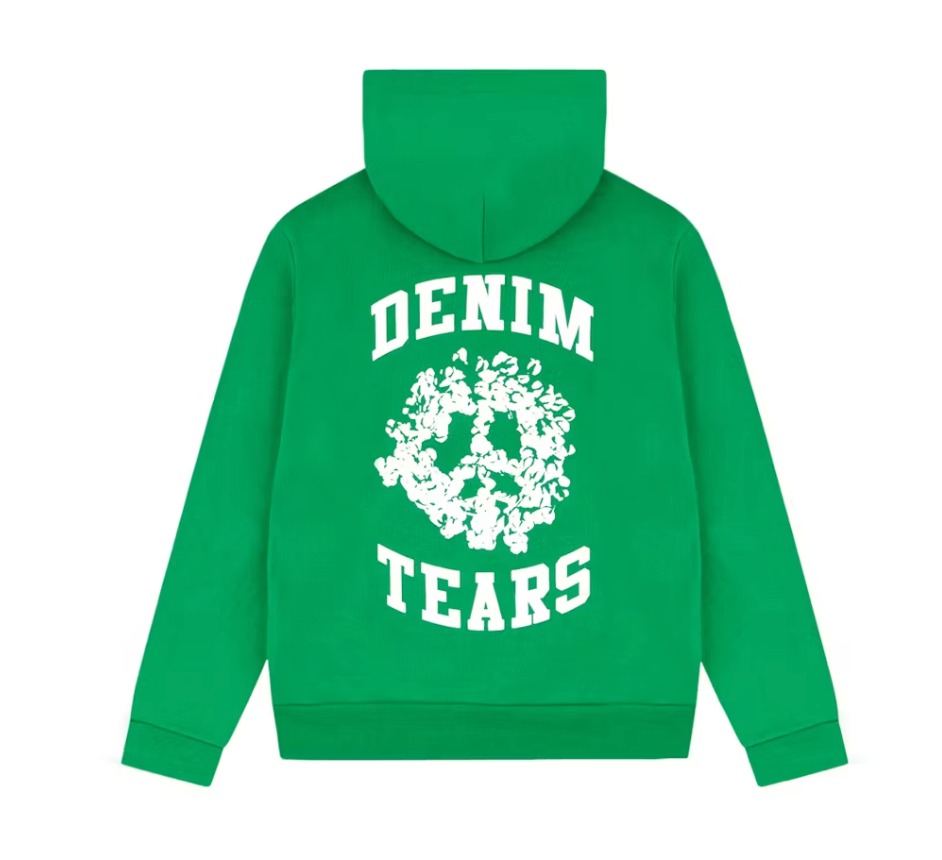
Beyond denim, the brand’s hoodies and T-shirts have become staples in streetwear wardrobes. At first glance, they might look minimal—clean silhouettes, neutral colors, restrained graphics. But like a good book with a plain cover, the depth lies inside the message.
Denim Tears hoodies often feature heavyweight fabric, oversized fits, and thoughtful placement of graphics. They’re designed to feel comforting, almost like armor. When you put one on, it doesn’t just keep you warm—it grounds you. The T-shirts follow the same philosophy: simple, intentional, and meaningful. These pieces work because they don’t rely on excess. No flashy branding. No unnecessary noise. Just quality materials and powerful symbolism doing the heavy lifting.
Denim Tears and Streetwear Culture
Redefining Streetwear Aesthetics
Streetwear has come a long way from its underground roots. What once felt rebellious now often feels commercialized. Logos get bigger, prices get higher, and meaning sometimes gets lost. Denim Tears pushes back against that trend by reminding people what streetwear was originally about—expression, identity, and resistance. Instead of chasing hype cycles, Denim Tears focuses on relevance. Cultural relevance. Historical relevance. Emotional relevance. This approach makes the brand feel timeless rather than trendy. While other labels fade once the hype dies down, Denim Tears pieces stay relevant because their meaning doesn’t expire.
Influence on Youth and Creators
Young creatives gravitate toward Denim Tears because it feels real. In an era of filters and facades, authenticity stands out. Wearing Denim Tears isn’t about flexing wealth—it’s about signaling awareness. It says, “I know where this comes from, and I respect it.” Social media has amplified this connection. Artists, photographers, musicians, and designers use Denim Tears not just as clothing, but as part of their visual language. It shows up in music videos, art installations, and creative shoots—not as a prop, but as a statement.
Collaborations That Shaped the Brand
Denim Tears x Levi’s
The collaboration between Denim Tears and Levi’s felt almost inevitable. Levi’s represents the foundation of American denim, while Denim Tears represents the untold stories behind it. Together, they created pieces that reexamined denim’s legacy through a cultural lens. These collections weren’t about reinventing denim—they were about reframing it. Classic Levi’s silhouettes were adorned with Denim Tears’ signature symbolism, merging heritage with honesty. The result felt respectful, thoughtful, and impactful.
Denim Tears x Nike
Nike is synonymous with performance, culture, and influence. When Denim Tears partnered with Nike, it wasn’t just another sneaker collaboration—it was storytelling through sportswear. These releases connected athletic heritage with cultural memory, blending movement and meaning. Sneakers from this collaboration weren’t just worn—they were discussed. They became conversation starters, proving that even performance-driven brands can carry deep narratives when approached with care. Shop Now

Freight Forwarding Services in Canada: How Progressive Cargo Simplifies Global Logistics
Freight forwarding plays a crucial role in today’s interconnected global economy. Business…