
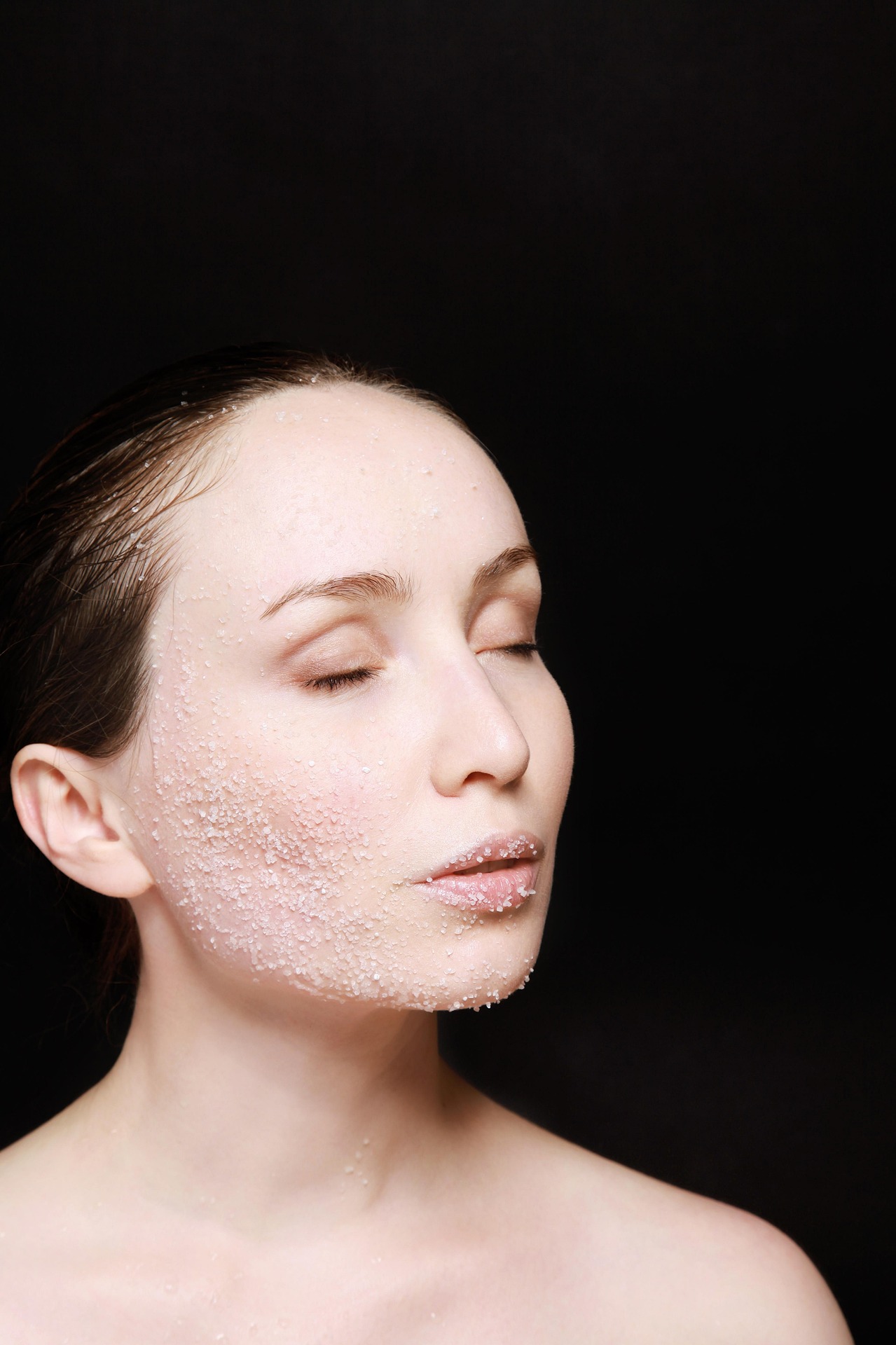
Botox is widely recognized for smoothing wrinkles around the forehead and crow’s feet, but it can also be used effectively for under-eye wrinkles. This delicate area requires precision, as Botox works by temporarily relaxing muscles that cause dynamic wrinkles, helping to reduce fine lines and refresh the eye’s appearance. When properly administered, Botox can diminish the look of under-eye wrinkles without invasive surgery.
The treatment typically lasts three to four months and involves minimal downtime, making it an accessible option for those looking to address early signs of aging near the eyes. However, due to the sensitivity of the under-eye area, skilled application is crucial to avoid unwanted side effects and achieve natural-looking results.
While Botox can soften under eye wrinkles, it may not be the best solution for all concerns, such as puffiness or bags. Often, a combination approach using dermal fillers alongside Botox delivers the most balanced and effective outcome.
Effectiveness of Botox for Under Eye Wrinkles
Botox under eye wrinkles targets dynamic wrinkles caused by muscle movement, providing a minimally invasive way to improve the under-eye area’s appearance. It works differently than fillers, focusing on muscle relaxation rather than volume restoration. Results generally last several months with minimal recovery time.
How Botox Reduces Under Eye Wrinkles
Botox works by temporarily blocking the nerve signals that cause muscle contractions under the eyes. These tiny muscles create dynamic wrinkles, such as crow’s feet and short lines near the lower eyelid. By relaxing these muscles, Botox smooths the skin above them and reduces visible lines.
The procedure requires precise injection to avoid affecting eye function or causing a frozen look. It typically takes 15 to 30 minutes and involves minimal discomfort. Side effects are rare but may include mild swelling or bruising at the injection site.
Comparison With Other Treatments
Unlike dermal fillers, which add volume to hollow areas or dark circles, Botox primarily addresses wrinkles formed by muscle movement. Fillers are more suitable for under-eye hollows, while Botox treats fine lines and creases.
Laser treatments and chemical peels also improve skin texture but do not target muscle activity. Botox offers faster results with minimal downtime compared to these options. It can be combined with fillers or laser therapy for a more comprehensive under-eye rejuvenation.
Typical Results and Longevity
Improvements from Botox injections usually become visible within a few days, with full effects appearing after about two weeks. The wrinkle reduction generally lasts 3 to 4 months before muscles gradually regain their activity.
Repeated treatments help maintain the smoother appearance. Because Botox affects only dynamic wrinkles, static wrinkles (caused by skin laxity) may not be fully corrected. Patients typically experience a refreshed, natural look without significant side effects or long recovery.
Safety and Side Effects of Under Eye Botox
Under-eye Botox requires careful consideration of possible side effects, patient suitability, and aftercare to ensure safety and effectiveness. Awareness of potential complications, proper patient selection, and following post-treatment guidelines help minimize risks and promote optimal results.
Common Risks and Complications
Botox under the eyes generally causes mild, temporary side effects. These may include swelling, redness, bruising, or tenderness at the injection site. In some cases, patients experience slight muscle weakness or drooping of the eyelid if the toxin spreads beyond the target area.
Rare but more serious complications include dry eyes or difficulty closing the eye fully. These tend to occur due to incorrect injection technique or dosing. Patients should promptly report unusual symptoms such as vision changes or persistent pain.
Choosing a skilled, qualified professional reduces these risks significantly. Proper dilution and precise injection into tiny muscles beneath the lower eyelid are crucial for safety.
Precautions and Candidacy
Not everyone is an ideal candidate for under-eye Botox. Individuals with certain conditions like neuromuscular disorders (e.g., myasthenia gravis), active infections near the treatment area, or allergies to botulinum toxin should avoid the procedure.
Pregnant or breastfeeding women are generally advised to postpone Botox due to limited safety data. Patients on blood-thinning medications should inform their provider, as these increase bruising risk.
A thorough medical history and consultation determine candidacy. The practitioner evaluates skin condition, facial anatomy, and patient expectations before proceeding to ensure treatment suitability and reduce complications.
Post-Treatment Care
Proper care after Botox injections ensures optimal healing and longevity of results. Patients should avoid rubbing or massaging the treated area for at least 24 hours to prevent toxin migration.
It is recommended to stay upright and avoid strenuous exercise or lying down soon after treatment. Exposure to heat sources like saunas or sunbathing should be minimized for 48 hours.
Most side effects, including swelling or bruising, resolve within a few days. Over-the-counter pain relief can be used if necessary. Patients should follow their provider’s specific instructions for best outcomes and safety.
BlogBuzzNews Essential Insights for Staying Updated in 2025
BlogBuzzNews is a digital platform that delivers timely and relevant updates across variou…