
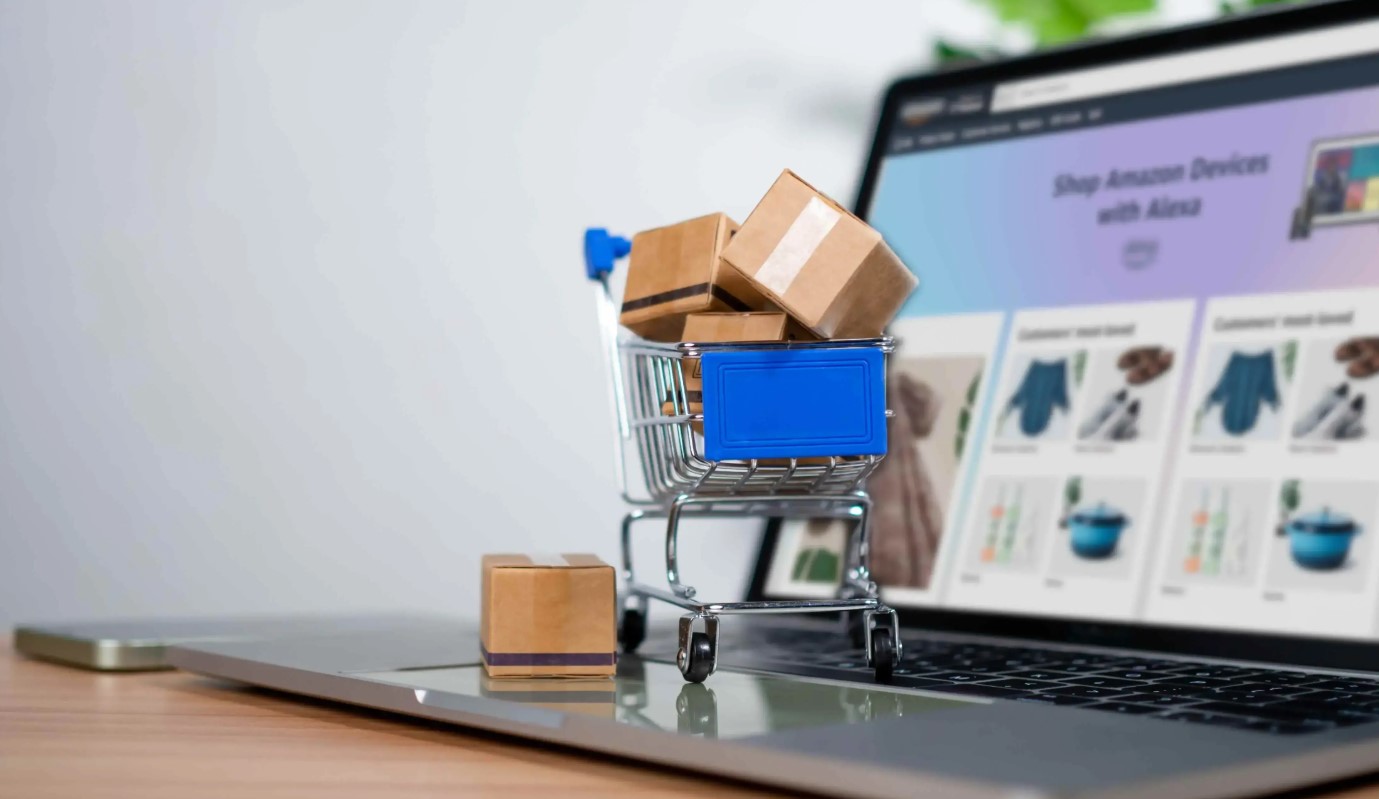
The automotive aftermarket is one of the most resilient and fastest-growing segments in global eCommerce. As vehicles stay on the road longer, demand for replacement parts, accessories, and maintenance products continues to rise. This shift has opened the door for a powerful business model: auto dropshipping, especially when combined with automation.
In this article, we’ll explore how auto dropshipping works, why car parts are an evergreen niche, and how automation platforms are transforming the way online sellers operate.
What Is Auto Parts Dropshipping?
Auto parts dropshipping is an eCommerce model where a seller lists car parts or accessories in an online store without holding inventory. When a customer places an order, the product is purchased from a third-party supplier, who ships it directly to the customer.
This approach eliminates the need for:
-
Warehousing
-
Bulk inventory investment
-
Complex logistics management
For automotive products—where SKU counts can reach thousands—this model is particularly attractive.
Why the Automotive Niche Is Ideal for Dropshipping
Unlike trend-based niches such as fashion, the automotive niche is necessity-driven. Cars require ongoing maintenance, repairs, and upgrades regardless of economic conditions.
Key reasons auto parts perform well in dropshipping:
-
Constant demand for replacement parts
-
Large global vehicle population
-
Strong search intent from buyers
-
High repeat purchase potential
From windshield wipers to LED headlights, many car-related products are lightweight, easy to ship, and suitable for online sales.
The Role of Automation in Auto Dropshipping
Managing a dropshipping store manually becomes difficult as product volume grows. This is where auto dropshipping comes into play.
Automation tools streamline critical operations such as:
-
Product importing
-
Inventory synchronization
-
Dynamic price updates
-
Order fulfillment
-
Tracking number updates
For auto parts sellers dealing with compatibility data and frequent price changes, automation significantly reduces errors and saves time.
Common Types of Auto Parts Sold via Dropshipping
Not all car parts are equally suited for dropshipping. The most successful sellers focus on products that are easy to understand, ship, and return.
Popular categories include:
-
Interior accessories (seat covers, phone mounts)
-
Exterior accessories (car covers, LED lights)
-
Maintenance items (filters, wiper blades)
-
Safety accessories (dash cams, parking sensors)
Complex mechanical components can be profitable but often require advanced customer support and precise compatibility information.
Supplier Selection: A Critical Success Factor
In auto parts dropshipping, supplier reliability directly impacts customer satisfaction. Poor-quality parts or incorrect fitment can lead to high return rates.
Best practices for choosing suppliers include:
-
Verifying product compatibility details
-
Checking fulfillment speed and tracking reliability
-
Reviewing return and warranty policies
-
Testing products before scaling
Many sellers use a mix of domestic and international suppliers to balance shipping speed and cost.
SEO Opportunities in Car Parts Dropshipping
Search engine optimization plays a major role in the success of automotive eCommerce stores. Buyers often search with high intent, using specific queries related to their vehicle model or problem.
Effective SEO strategies include:
-
Optimizing product pages with long-tail keywords
-
Creating vehicle-specific category pages
-
Publishing informational blog content (guides, comparisons, FAQs)
-
Using structured data for products and reviews
Because auto-related searches are often problem-focused, well-optimized content can attract consistent organic traffic.
Paid Advertising vs Organic Growth
Many auto parts dropshippers combine SEO with paid traffic for faster results.
-
Google Shopping Ads work well for buyers actively searching for parts
-
Social ads are effective for accessories and upgrades
-
Content marketing supports long-term authority and trust
A balanced approach helps stabilize revenue and reduce dependency on a single traffic source.
Common Challenges in Auto Dropshipping
Despite its advantages, auto dropshipping comes with unique challenges:
-
Managing vehicle compatibility accurately
-
Handling returns for incorrect fitment
-
Dealing with supplier stock fluctuations
-
Providing technical customer support
Successful sellers mitigate these risks by using clear product descriptions, compatibility charts, and automation tools.
The Future of Auto Parts Dropshipping
As vehicles become more technologically advanced, the demand for smart accessories, EV-related products, and diagnostic tools is increasing. At the same time, automation and AI are making it easier to manage large product catalogs with minimal manual effort.
Sellers who invest early in automation, SEO, and customer experience are well-positioned to benefit from the long-term growth of the automotive eCommerce market.
Final Thoughts
Auto parts dropshipping is no longer just an experimental side hustle—it’s a scalable eCommerce model backed by consistent demand and powerful automation tools. By focusing on the right products, reliable suppliers, and efficient systems, sellers can build sustainable online businesses in one of the most evergreen niches available.
FAQs
1. Is auto parts dropshipping beginner-friendly?
Yes, especially accessories and maintenance items.
2. Do I need AutoDS to dropship auto parts?
Not mandatory, but it makes scaling far easier.
3. What’s the biggest challenge in car parts dropshipping?
Managing compatibility and reducing returns.
4. Can I use SEO instead of paid ads?
Absolutely. SEO works very well in this niche long-term.
5. Are returns common in auto parts dropshipping?
They can be if compatibility isn’t clear—proper listings reduce this drastically.

Freight Forwarding Services in Canada: How Progressive Cargo Simplifies Global Logistics
Freight forwarding plays a crucial role in today’s interconnected global economy. Business…