
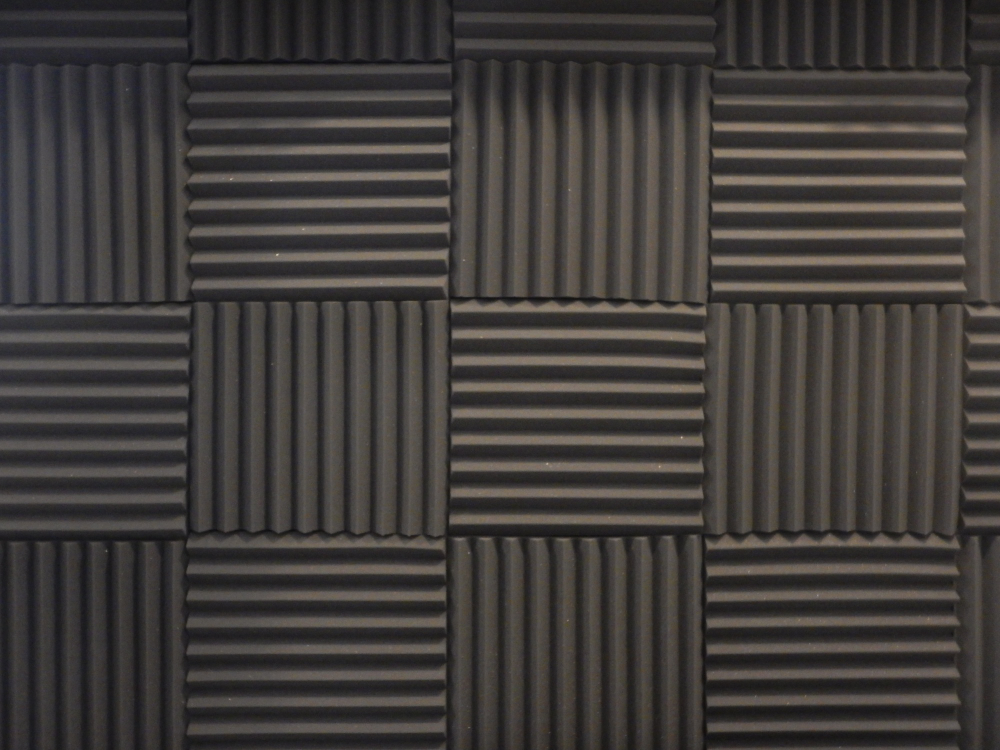
In today’s fast-paced world, noise pollution has become a major concern across homes, offices, commercial buildings, and studios. Acoustic soundproofing panels are designed to minimize unwanted noise while improving sound clarity. With advancements in foam technology, manufacturers like Sheela Foam are offering innovative solutions that balance comfort, durability, and acoustic performance.
What Are Acoustic Soundproofing Panels?
Acoustic soundproofing panels are specially engineered foam or composite materials that absorb sound waves and reduce echo, vibration, and external noise penetration. These panels are commonly installed in:
- Residential apartments
- Corporate offices
- Home theaters
- Recording studios
- Educational institutions
By controlling reverberation and blocking sound transmission, these panels create a quieter and more productive environment.
How Sound Insulation Foam Works
Sound insulation foam works by trapping sound waves within its porous structure. Instead of allowing noise to bounce around or pass through walls, the foam absorbs energy and converts it into negligible heat. This process significantly reduces airborne noise and improves acoustic balance.
High-density foam materials, such as those developed by pu foam mattress, are particularly effective for long-term sound insulation due to their resilience and structural stability.
Benefits of Noise Insulation Foam
Using noise insulation foam offers multiple advantages beyond noise reduction:
- Enhanced speech clarity
- Reduced echo and vibration
- Improved privacy in shared spaces
- Better concentration and productivity
- Long-lasting performance
These benefits make acoustic panels an essential component in modern architectural planning.
Applications in Residential and Commercial Spaces
Acoustic panels are no longer limited to professional studios. Today, they are widely used in:
- Bedrooms to block traffic noise
- Offices to reduce meeting room distractions
- Restaurants for better ambience
- Hospitals for patient comfort
Foam-based solutions from Sheela Foam integrate seamlessly into these environments without compromising aesthetics.
Why Choose Advanced Foam Technology?
The quality of foam plays a critical role in acoustic performance. Advanced polyurethane and engineered foam structures ensure:
- Consistent sound absorption
- Resistance to sagging or deformation
- Improved durability over time
This makes professionally manufactured panels a smart investment for long-term noise control.
FAQs
Q1. Are acoustic soundproofing panels effective for home use?
Yes, they significantly reduce echo and external noise, making living spaces quieter and more comfortable.
Q2. What is the difference between sound insulation foam and regular foam?
Sound insulation foam is engineered for acoustic absorption, whereas regular foam lacks noise-control properties.
Q3. Can these panels block outside noise completely?
They reduce noise substantially but work best when combined with proper wall and door insulation.
Q4. Are acoustic panels durable?
High-quality foam panels retain shape and performance for years with minimal maintenance.
Q5. Where should acoustic panels be installed?
They are most effective on walls, ceilings, and areas where sound reflection is highest.
Freight Forwarding Services in Canada: How Progressive Cargo Simplifies Global Logistics
Freight forwarding plays a crucial role in today’s interconnected global economy. Business…