
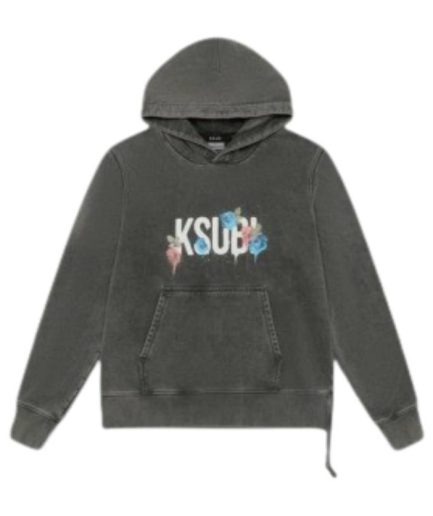
Introduction: More Than Just a Hoodie
Why Does Ksubi Hoodie Focus So Much on Fabric Quality? At first glance, a hoodie might seem like the most basic piece in your wardrobe. You throw it on when you’re cold, when you’re lazy, or when you want that effortless street look. But when it comes to a Ksubi hoodie, calling it “just a hoodie” feels almost disrespectful. There’s something noticeably different the moment you touch it, wear it, or even see how it hangs on the body. That difference isn’t accidental—it’s intentional, and it starts with fabric quality.
Ksubi doesn’t treat fabric as an afterthought. For them, fabric is the foundation, the soul, and the story of every hoodie they release. In a world flooded with fast fashion and disposable clothing, Ksubi Clothing takes the opposite route. They slow things down. They obsess over texture, weight, softness, and durability. And yes, that obsession comes at a price—but it also comes with a level of authenticity that’s hard to fake.
Think of fabric like the engine of a car. You can design the sleekest exterior, but if the engine is weak, the ride falls apart. Ksubi understands this deeply. Their hoodies aren’t meant to be worn once and forgotten. They’re designed to live with you, age with you, and even tell your story through creases, fades, and wear patterns.
So why does Ksubi focus so much on fabric quality? Because fabric determines everything—how a hoodie feels, how it fits, how long it lasts, and how it represents the brand’s rebellious DNA. Let’s peel back the layers and explore why fabric isn’t just important to Ksubi—it’s everything.
The Origins of Ksubi and Its Fabric-First Philosophy
Ksubi didn’t start as a brand chasing trends. It was born out of defiance. From the very beginning, Ksubi positioned itself as an outsider in the fashion world, rejecting polished perfection and embracing raw authenticity. This mindset naturally extended to their approach to fabric. When Ksubi emerged, the fashion industry was already saturated with cheaply made garments that looked good on racks but fell apart after a few washes. Ksubi saw fabric quality as a form of rebellion.
Choosing heavier, stronger, and more tactile materials was their way of saying, “We’re not here to play the fast-fashion game.” Fabric became a tool for self-expression. Early Ksubi designs experimented with unconventional textiles, distressed finishes, and hand-treated materials. These weren’t mistakes or flaws—they were deliberate choices meant to challenge the idea that clothing had to look perfect to be valuable. In fact, imperfections became part of the brand’s identity.
This fabric-first philosophy also reflected Ksubi’s roots in art, music, and skate culture. These communities value authenticity over polish, substance over surface. A hoodie that feels substantial, that holds its shape, and that gets better with age fits perfectly into that ethos. By prioritizing fabric from day one, Ksubi set a standard that continues today. Every hoodie is built from the inside out, with material selection guiding design decisions—not the other way around. That’s why fabric quality isn’t just a feature of Ksubi hoodies; it’s a legacy.
Understanding Fabric Quality in Streetwear
Fabric quality is one of those phrases that gets thrown around a lot, but what does it actually mean? In streetwear, fabric quality goes far beyond softness. It’s about performance, durability, structure, and how the garment behaves over time. High-quality fabric starts with better raw materials. This could mean longer cotton fibers, denser weaves, or more thoughtful blends.
These fabrics resist pilling, tearing, and thinning—common issues with lower-quality hoodies. When you wear a Ksubi hoodie, you’re feeling the result of these choices. Then there’s construction. Quality fabric works hand in hand with craftsmanship. A premium textile holds stitching better, maintains shape after washing, and drapes naturally on the body. This is especially important in streetwear, where oversized fits and relaxed silhouettes rely heavily on fabric weight and structure.
The Role of Fabric in Brand Identity
For Ksubi, fabric isn’t just material—it’s messaging. The weight, texture, and finish of a hoodie communicate the brand’s attitude before a logo ever does. When you put on a Ksubi hoodie, the fabric tells you exactly what the brand stands for: boldness, resilience, and individuality.
A lightweight, flimsy hoodie would completely contradict Ksubi Hoodie image. Their brand thrives on raw edges, rebellious energy, and unapologetic confidence. Heavy, premium fabric reinforces that identity. It feels strong. It feels intentional. It feels like it belongs.
Fabric also creates emotional connection. People remember how clothes make them feel. The warmth of a thick hoodie on a cold night. The comfort of a soft interior against the skin. The reassuring weight that makes you feel grounded. These sensations build loyalty far more effectively than flashy marketing.
Premium Cotton: The Backbone of Ksubi Hoodies
Cotton might seem simple, but not all cotton is created equal. Ksubi places immense importance on selecting premium cotton because it forms the backbone of their hoodies. The quality of cotton directly affects softness, durability, breathability, and overall performance. Ksubi often uses long-staple cotton, which has longer fibers than standard cotton. These longer fibers create smoother yarns that are less prone to fraying and pilling. The result? A hoodie that stays looking fresh even after repeated wear and washing.
Premium cotton also improves comfort. It feels softer against the skin without sacrificing strength. This balance is crucial for Ksubi, as their hoodies are meant to feel luxurious while still embodying a rugged, street-ready aesthetic. Another advantage of high-quality cotton is how it ages. Instead of breaking down, it breaks in. Over time, the fabric becomes even more comfortable, molding to the wearer’s body and lifestyle. This aging process is something Ksubi embraces—it aligns perfectly with their philosophy of authenticity and we arability.
Heavyweight Fabric and Its Streetwear Appeal
One of the first things people notice about a Ksubi hoodie is its weight. It feels heavier than most, and that’s not by accident. Heavyweight fabric plays a huge role in the brand’s appeal and reputation. In streetwear culture, weight equals substance. A heavier hoodie feels more serious, more deliberate. It drapes better, holds its shape, and creates a strong silhouette. Lightweight hoodies often feel disposable,
But heavyweight ones feel like armor—protective, reliable, and built to last. Ksubi uses heavyweight fabric to enhance both form and function. The added density provides warmth without needing excessive layering. It also improves durability, making the hoodie resistant to stretching and sagging. There’s also a psychological factor at play. When something feels heavier, it often feels more valuable. That tactile experience reinforces the perception of quality and justifies the investment.
Fabric Durability and Longevity
Ksubi hoodies aren’t designed for a single season. They’re designed for years of wear. Fabric durability is a major reason the brand invests so heavily in quality materials. Low-quality fabrics tend to thin out, lose shape, and develop holes over time. Ksubi combats this by using dense weaves and strong fibers that can withstand daily use. Their hoodies are tested for real-life wear—washing, stretching, and movement.
Durability also aligns with Ksubi’s anti-disposable mindset. In a world where clothes are often treated as temporary, Ksubi offers pieces that encourage long-term ownership. This not only benefits the wearer but also reduces waste. A durable hoodie becomes part of your routine. It’s the one you reach for without thinking. The one that holds memories. That kind of longevity is only possible with exceptional fabric.
Comfort as a Luxury Statement
Comfort is often underestimated, but Ksubi treats it as a form of luxury. Their hoodies are designed to feel good from the moment you put them on—and that comfort starts with fabric. Soft interiors, breathable cotton, and balanced weight all contribute to a sensory experience that feels indulgent without being delicate.
Ksubi hoodies don’t sacrifice comfort for aesthetics; they fuse the two seamlessly. This focus on comfort builds trust. When customers know a hoodie will feel good all day, they’re more likely to invest again. Comfort becomes a silent promise that Ksubi never breaks.
Fabric Dyeing and Treatment Techniques
Ksubi’s fabric quality doesn’t stop at raw materials—it extends into how those materials are treated. The brand is known for unique dyeing and washing techniques that give each hoodie character. Garment dyeing allows color to penetrate deeply into the fabric, creating rich, uneven tones that feel organic.
Distressing and washing processes add texture and visual interest without compromising strength. These treatments ensure that no two hoodies feel exactly the same. That individuality is a huge part of Ksubi’s appeal. You’re not just buying a hoodie—you’re buying a one-of-a-kind piece.
Sustainability and Ethical Fabric Sourcing
Quality and sustainability often go hand in hand. By using better fabrics, Ksubi reduces the need for frequent replacements, which in turn reduces waste. Ethical sourcing also plays a role. Responsible cotton farming and mindful production processes align with the brand’s long-term vision. Ksubi understands that true quality isn’t just about feel—it’s about impact.
The Fit-Fabric Relationship
Fabric and fit are inseparable. Even the best design can fail if the fabric doesn’t support it. Ksubi carefully selects fabrics that complement their silhouettes, ensuring hoodies maintain shape and structure. Shrinkage control, stretch recovery, and weight distribution all depend on fabric quality. Ksubi’s hoodies fit consistently because the materials behave predictably.
Craftsmanship Meets Fabric Innovation
Ksubi blends traditional craftsmanship with modern fabric innovation. Skilled hands and advanced techniques work together to create hoodies that feel both timeless and contemporary. This balance allows Ksubi to push boundaries without losing authenticity. Fabric innovation isn’t about gimmicks—it’s about refinement.
Why Fabric Quality Justifies the Price
Premium fabric costs more—there’s no way around it. But that cost translates into value. A Ksubi hoodie may be expensive upfront, but its longevity makes it a smarter investment. Instead of replacing cheap hoodies every year, you own one that lasts. That’s real value.
Conclusion
Ksubi focuses on fabric quality because fabric defines everything. It shapes identity, comfort, durability, and culture. In every thread, you can feel intention, rebellion, and respect for the wearer. That’s why a Ksubi hoodie isn’t just worn—it’s experienced. Read More…..
FAQs
1. Why are Ksubi hoodies heavier than most brands?
Because heavyweight fabric offers better durability, structure, and comfort.
2. Does fabric quality really affect hoodie lifespan?
Absolutely. Better fabric means less wear, less damage, and longer use.
3. Are Ksubi hoodies worth the price?
If you value quality, longevity, and authenticity, yes.
4. How should I care for a premium fabric hoodie?
Wash cold, avoid harsh detergents, and air dry when possible.
5. Is Ksubi fabric sustainable?
Their focus on durability and responsible sourcing supports sustainability.
Freight Forwarding Services in Canada: How Progressive Cargo Simplifies Global Logistics
Freight forwarding plays a crucial role in today’s interconnected global economy. Business…