
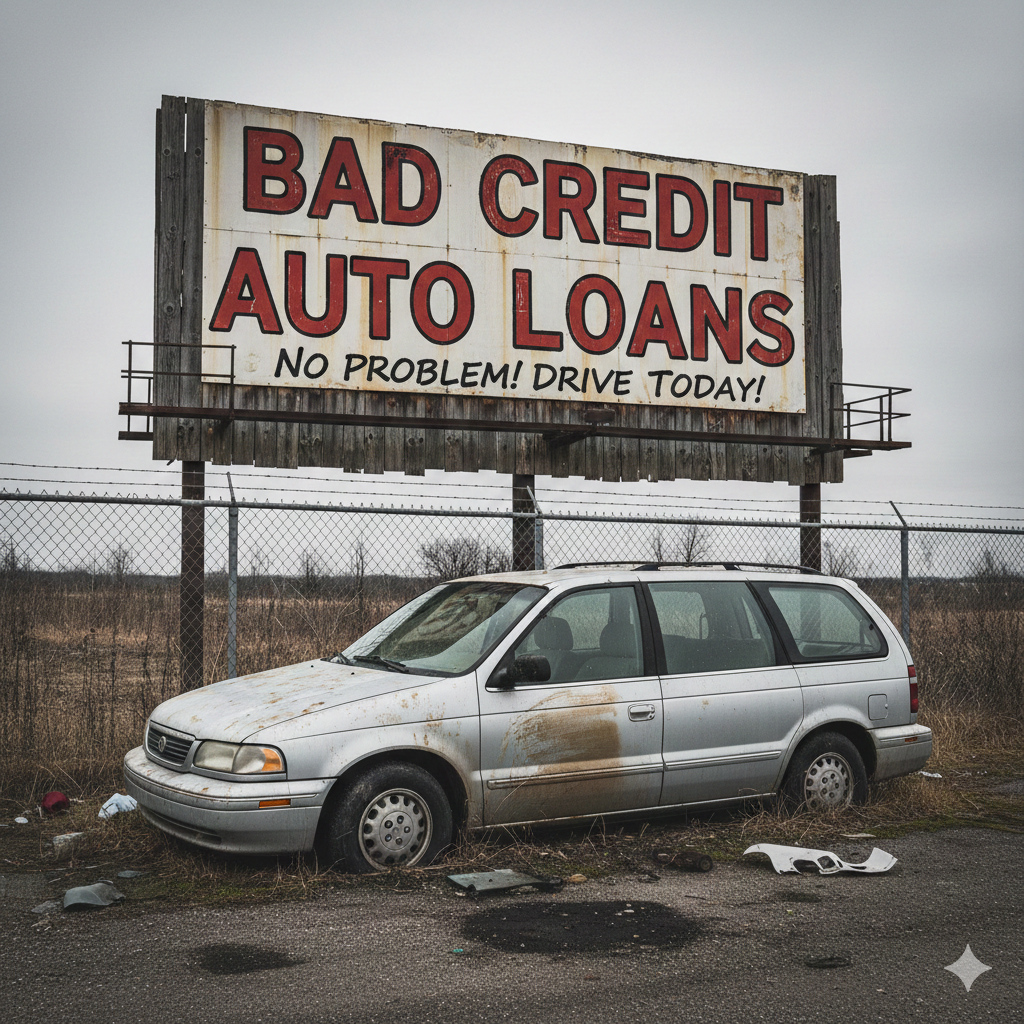
Getting a credit for car loans with bad credit can seem difficult, but it is entirely possible. Many lenders in Canada specialize in working with borrowers who have lower credit scores, offering options tailored to their financial situations. The key to securing a car loan with bad credit lies in choosing the right lender, providing proof of steady income, and considering factors like down payments or co-signers to improve approval chances.
While interest rates and loan terms may be less favorable compared to those with good credit, borrowers still have access to financing. Comparing multiple loan offers helps find the best fit without settling for the first available option. Understanding how lenders assess credit and what steps to take can make the process more straightforward and lead to successful financing.
Readers looking to overcome their credit challenges will find practical advice and insights on improving their chances of approval. This guide will cover what “bad credit” means in Canada, where to look for car loans, and how to strengthen applications amid credit difficulties.
Understanding Credit for Car Loans With Bad Credit
Car Loans with Bad Credit approval depends heavily on credit history and credit scores. Borrowers with lower scores face more scrutiny and limited options but can still obtain financing by understanding lender criteria and credit definitions. Clear knowledge of credit status, lender perspectives, and score thresholds is essential for navigating the loan process effectively.
What Is Bad Credit?
Bad credit typically refers to a credit score that falls below the threshold lenders consider acceptable for standard financing. It often results from missed payments, defaults, or high debt levels in a borrower’s financial history. Scores below 600 are usually classified as bad credit, but exact cutoffs vary by lender.
This status signals a higher risk to lenders, impacting loan terms and approval chances. However, bad credit does not make it impossible to get a car loan; it may just require different types of loans, such as subprime or second-chance loans, designed for borrowers with poor credit histories.
How Lenders View Bad Credit Applicants
Lenders assess risk primarily by reviewing credit scores, payment history, income stability, and debt-to-income ratios. For applicants with bad credit, lenders expect higher risk and may adjust loan terms accordingly.
This often means higher interest rates, larger down payments, or shorter loan durations. Lenders may also require more documentation to verify an applicant’s ability to repay. Some specialize in financing borrowers with less-than-perfect credit, offering tailored solutions to improve approval chances despite credit challenges.
Minimum Credit Score Requirements for Car Loans
Minimum credit scores needed for car loans vary significantly among lenders. While traditional auto loans might require scores above 650, bad credit car loans often start approval at scores around 500 to 579.
Some lenders approve loans for even lower scores but with stricter conditions such as higher interest rates and additional fees. It is important for borrowers to research different lenders’ requirements and consider credit improvement efforts to expand their financing options.
| Credit Score Range | Loan Type | Typical Terms |
| 650+ | Prime Auto Loans | Lower rates, better terms |
| 500–649 | Subprime Loans | Higher rates, larger down payments |
| Below 500 | Deep Subprime or No Credit | Lenient approval, highest costs |
Improving Your Chances of Car Loan Approval
Securing a car loan with bad credit requires clear strategies that balance risk for lenders and demonstrate borrower reliability. Applicants must understand their options, provide detailed financial documentation, consider the size of their down payment, and select lenders who specialize in financing buyers with lower credit scores.
Options for Applicants With Poor Credit
Applicants with poor credit can still obtain car loans by exploring tailored financing solutions. One option is to seek loans from lenders specializing in subprime auto loans, which are designed to accommodate higher-risk borrowers. Another approach is to apply with a co-signer who has strong credit, which reduces lender risk and increases approval chances.
Building credit before applying also helps. This includes paying down existing debts and making all payments on time to improve credit scores gradually. Smaller loan amounts and choosing more affordable, practical vehicles tend to attract lenders’ approval more readily. It is important to research and compare various financing offers carefully to find terms that fit the applicant’s budget and credit situation.
Required Documentation and Proof of Income
Lenders require thorough documentation to assess an applicant’s ability to repay the loan, especially when credit is less than ideal. Essential documents include recent pay stubs, tax returns, and bank statements. These documents verify employment stability and consistent income.
Applicants should be prepared to show proof of residence and government-issued identification as well. Providing complete and organized paperwork can speed up the approval process and build lender confidence. Demonstrating a steady income stream is critical, as it directly influences the lender’s decision and the potential loan amount approved.
The Role of Down Payments
A larger down payment significantly improves the likelihood of loan approval for those with poor credit. By reducing the loan amount, the applicant decreases the lender’s exposure to risk. Typically, down payments of 10% to 20% or more signal financial responsibility and commitment.
Additionally, a sizable down payment can lead to lower monthly payments and may help secure better interest rates. It also narrows the loan-to-value ratio, making the applicant’s position stronger. Saving for a down payment before applying is one of the most effective ways for bad credit borrowers to improve financing terms.
Choosing the Right Lender
Selecting a lender that understands the challenges faced by borrowers with bad credit is crucial. Credit unions and local banks often offer more personalized service and may have more flexible lending criteria than large commercial banks. Specialized auto finance companies also exist to cater to subprime borrowers.
Comparing interest rates, fees, and repayment terms from multiple lenders is essential. Pre-qualification options allow applicants to check potential loan offers without impacting their credit score. Working with lenders experienced in bad credit auto loans increases the chance of approval and can lead to better loan conditions.

BlogBuzzNews Essential Insights for Staying Updated in 2025
BlogBuzzNews is a digital platform that delivers timely and relevant updates across variou…