
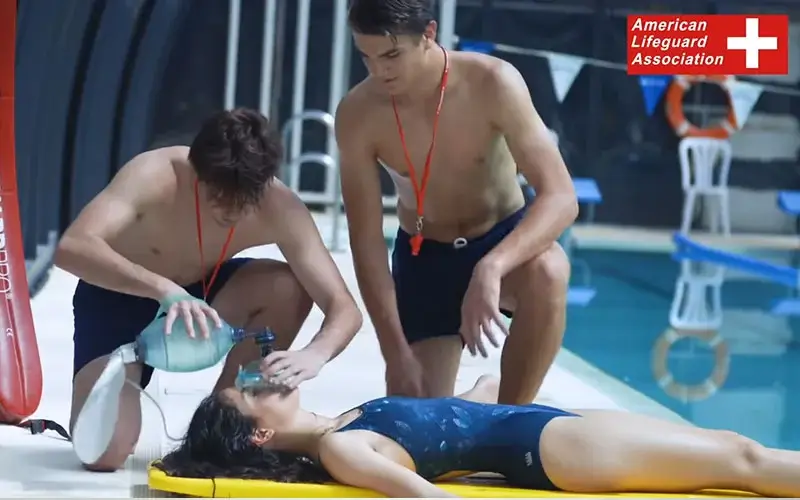
Comprehensive lifeguarding is much more than sitting poolside and watching swimmers. The best lifeguards are trained professionals who follow proven safety systems, use strong communication, and respond quickly during emergencies. That’s why learning the best practices for comprehensive lifeguarding is essential for anyone working in pools, beaches, water parks, and aquatic facilities.
From scanning techniques to rescue response and post-incident documentation, lifeguarding requires constant awareness and consistent skill development. Lifeguards protect lives by preventing risks before they become emergencies.
This guide explores the most effective lifeguarding practices used by professionals today. It covers safety protocols, rescue readiness, communication strategies, training standards, and how to strengthen lifeguard performance through continuous improvement.
Summary
This guide explains the best practices for comprehensive lifeguarding and how they help lifeguards prevent incidents, react faster in emergencies, and maintain a safe aquatic environment. It covers key areas including surveillance and scanning, risk prevention, rescue readiness, CPR/AED skills, teamwork and communication, facility safety checks, and professional certification standards. You’ll learn what makes a lifeguard truly “comprehensive,” how real-life scenario practice builds confidence, and how ongoing training keeps skills sharp for long-term safety success.
Why Comprehensive Lifeguarding Matters
Comprehensive lifeguarding is the foundation of aquatic safety. It ensures lifeguards are not only trained to rescue, but also trained to prevent incidents through constant vigilance and proactive safety behaviors.
Lifeguards who follow the best practices for comprehensive lifeguarding reduce drowning risks, improve swimmer confidence, and create safer environments for families, schools, and facilities.
Comprehensive lifeguarding includes:
• Consistent surveillance and scanning
• Immediate response to hazards
• Professional rescue techniques
• Strong emergency communication
• CPR/AED and first aid readiness
• Team coordination during incidents
When lifeguards use standardized best practices, they become more effective and trustworthy in real emergencies.
What to Expect in Comprehensive Lifeguard Training
Lifeguard training programs that teach comprehensive lifeguarding focus on both technical rescue skills and prevention strategies. Training includes classroom learning, water-based drills, and scenario practice.
During professional lifeguard training, participants learn:
-
How to identify risks early
-
How to scan systematically and avoid distractions
-
How to perform rescues using correct methods
-
How to communicate with team members and emergency responders
A comprehensive training course usually covers:
• Water surveillance and zone coverage
• Rescue entries and victim handling
• CPR, AED, and first aid
• Spinal injury management
• Emergency action plan (EAP) procedures
• Incident reporting and documentation
These skills ensure lifeguards are prepared for real-world emergencies and high-pressure situations.
Key Skills and Safety Practices Covered
To follow the best practices for comprehensive lifeguarding, every lifeguard must master a combination of physical, technical, and behavioral skills.
Important skills include:
• Active surveillance: scanning in patterns and maintaining focus
• Prevention enforcement: applying rules and stopping risky behavior
• Rescue readiness: positioning, equipment availability, fast response
• Emergency medical response: CPR/AED, first aid, oxygen support
• Team communication: whistle signals, hand signals, and clear commands
• Professional conduct: awareness, alert posture, public confidence
Core competencies typically include:
• Recognizing distressed swimmer behavior
• Responding to active drowning incidents
• Managing spinal emergencies properly
• Performing multiple rescues under stress
• Supporting emergency responders effectively
Training builds both confidence and competence—two essential traits for real-world safety.
Lifeguard Certification: Requirements and Process
Lifeguards must be certified before working legally in most aquatic settings. Certification proves a lifeguard has passed essential training and can perform lifesaving skills safely.
Most certification programs require:
-
Minimum age (often 15+)
-
Swim endurance and pre-course tests
-
Skills demonstration and written exams
-
CPR/AED and First Aid certification
The certification process includes:
• Completing training hours and course modules
• Passing water rescue and scenario tests
• Passing CPR, AED, and First Aid assessments
• Maintaining certification with renewal training
Professional certification ensures lifeguards remain updated on safety protocols and emergency care standards.
How to Apply Comprehensive Lifeguarding Best Practices Daily
Even certified lifeguards need daily routines and habits to stay effective. Lifeguarding is about consistency, focus, and proactive action.
Here are practical daily best practices:
• Arrive early for safety checks
• Inspect rescue equipment and first aid supplies
• Review emergency action plans (EAP)
• Rotate positions regularly to avoid scanning fatigue
• Stay hydrated and mentally alert
• Report hazards immediately (wet surfaces, broken ladders, poor visibility)
• Communicate with staff and management clearly
A comprehensive lifeguard is one who treats every shift like a safety mission—not just a job.
Preparing for Emergency Situations: Real-Life Scenarios
The strongest lifeguards are those who train for real-life emergencies through scenario-based practice. Simulations prepare lifeguards for stressful situations and help them respond faster.
Common scenarios include:
• Distressed swimmer rescue
• Unconscious victim response
• Spinal injury immobilization
• Multi-victim rescue
• CPR and AED drills
• Facility evacuation procedures
These scenarios teach:
-
Quick decision-making
-
Calmness under pressure
-
Communication and leadership
-
Team coordination during emergencies
Scenario training is a key part of the best practices for comprehensive lifeguarding because it makes skills automatic during real incidents.
Lifeguard Training FAQs
What does comprehensive lifeguarding mean?
Comprehensive lifeguarding means combining prevention, surveillance, rescue ability, and emergency response skills to ensure complete safety in aquatic environments.
What are the best practices for comprehensive lifeguarding?
The best practices include active scanning, consistent safety enforcement, rescue readiness, CPR/AED proficiency, strong communication, and continuous skill improvement.
How often should lifeguards practice their skills?
Lifeguards should do regular in-service training weekly or monthly to maintain speed, strength, and emergency readiness.
Is certification enough to be a good lifeguard?
Certification is essential, but ongoing training, experience, and daily best practices make a lifeguard truly professional.
Conclusion: The Value of Comprehensive Lifeguarding
Following the best practices for comprehensive lifeguarding helps lifeguards prevent accidents, act quickly during emergencies, and create safer aquatic environments for everyone. Comprehensive lifeguards are not just trained—they are consistently prepared, focused, and professional.
Freight Forwarding Services in Canada: How Progressive Cargo Simplifies Global Logistics
Freight forwarding plays a crucial role in today’s interconnected global economy. Business…