
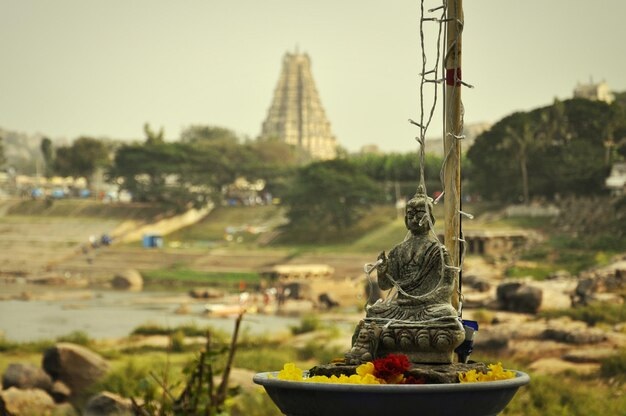
For numerous followers, Lord Shiva is not just a god but a living entity – still yet powerful, aloof yet immensely kind. The worship of Shiva is considered to be more concerned with inner change than material reward. Throughout India, a few bely that certain sacred sites are imbued with such intense spiritual energy that seekers find themselves drawn that much closer to stillness, surrender, and self-realisation. These temples are not merely architectural wonders; they are spiritual portals that many believe every devotee must pass through at least once in his lifetime.
There are several Famous Shiva temples in India and all of these temples are steeped in mythology and devotion. A pilgrimage to these temples is often seen as a journey inward, in which one’s sense of faith intensifies and perspective shifts. Not everyone has the opportunity to see the world, but knowing that there are these sorts of places makes your sense of connection to Shiva all the more meaningful.
Why certain Shiva temples are considered exceptionally powerful
Not all temples are attended with the same species of spiritual effect. Some Shiva temples are considered to be Swayambhu (self manifested) and others are related to important events of shivite mythlogy. The tapsya, ritualisms, and collective faith of millions of years are said to define the energy of these places.
Devotees say they feel a grounding and silent voice when they walk into one of those temples. Unlike houses of worship with a focus on asking and attaining, Shiva temples are about surrender — surrender of ego, fear, and emotional baggage. That’s why so many people go to the Famous Shiva temples in times of chaos, mourning or change – not for answers, but for clarity.
Sacred temples that hold deep mythological and spiritual importance
Among the most revered is the Kashi Vishwanath of Varanasi, a city counted as outside the boundaries of time in the Hindu worldview. It is said that liberation itself comes down to us from this land, and that Lord Shiva recites the Taraka Mantra into the ears of the devotees at the time of death. It is sometimes thought that a journey to this place represents the sum of effort one has made in many past lives.
High in the Himalayas, Kedarnath forms an expression of tenacity and transcendence. The temple itself is a physical challenge, and a test of patience and humility. Many pilgrims believe that the pilgrimage process itself is a kind of penance which profoundly affects the ensuing darshan.
In the south, Rameshwaram is the most important among the 12 Jyotirlingas. The temple has a strong association with purification and devotees take holy dips before coming to pray. The pace here is unhurried: It teaches you devotion not only through discipline and ritual purity, but also through the pace of your life.
Somnath, which is believed to be the earliest Jyotirlinga, is also a potent shrine. Though it has faced repeated destruction and reconstruction, it stands for the tenacity of faith. For many, Somnath symbolizes the eternal quality of Shiva—that which is indestructible and beyond time. These Famous Shiva temples are not only centers for worship and prayer but manifestations of philosophical thoughts – impermanence, rejuvenation and indomitable spirit.
The role of devotion, rituals, and modern accessibility
Traditionally, trips to Shiva temples would entail long journeys and lengthy stays. Many devotees in today’s fast-paced world find it difficult to reconcile their spiritual longings with daily responsibilities. Yet devotion, without losing its essence, continues to adapt.
While physical presence holds importance, genuine intention matters equally. Many devotees now attend temple rituals from a distance when travelling is not an option. With services such as book puja online, people can partake of holy traditions despite modern constraints. These services perform rituals through qualified priests and uphold scriptural authenticity.
Such accessibility does not diminish faith; rather, it helps make it continuous. These arrangements provide comfort especially to devotees who are ill, time-constrained, or geographically distant.
Preparing yourself for a meaningful Shiva temple visit
Visiting a Shiva temple is not merely about checking a destination off a list. It is deeply personal and requires mental and emotional readiness. Devotees are encouraged to purify their thoughts and actions, follow simple discipline, and approach the temple with humility rather than expectation.
A moment of silence, understanding the symbolism of the linga, and reflecting on Shiva as the destroyer of ignorance can add depth to the experience. Many devotees feel that the power of darshan depends less on grandeur and more on inner stillness.
Whether one visits physically or participates through book puja online, what truly matters is remaining sincere in faith and intention.
Conclusion: A journey beyond places
Ultimately, the power of Shiva temples lies not in location alone but in what they awaken within the devotee. The Famous Shiva temples of India act as mirrors, reflecting devotion, surrender, fear, and strength back to the seeker. Visiting even one such temple consciously can leave a lasting impression on the soul.
And when physical journeys are not possible, devotion continues through prayer, reflection, and disciplined faith. Shiva is not confined to stone or sanctum—he resides in silence, restraint, and inner truth.

Freight Forwarding Services in Canada: How Progressive Cargo Simplifies Global Logistics
Freight forwarding plays a crucial role in today’s interconnected global economy. Business…