
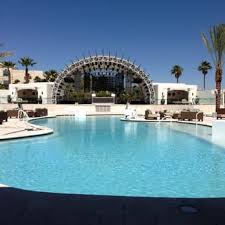
Shared swimming pools are one of the most valued amenities in multi-unit communities. Whether it’s a townhome complex, condominium, or mixed-use residential property, a well-maintained pool creates a sense of community, improves property value, and offers residents a place to relax and unwind. At the same time, managing a shared swimming area comes with unique responsibilities and challenges that go far beyond simple cleaning.
From safety and cleanliness to rules, scheduling, and maintenance, shared pools need thoughtful planning and consistent care. This blog explains how shared swimming areas can be managed effectively, in a simple and practical way, for both businesses and everyday residents who rely on these services.
Why Shared Swimming Areas Need Special Attention
Unlike private pools, shared pools are used by many people every day. Different age groups, varying swimming abilities, and high foot traffic increase wear and tear. When management is inconsistent, problems can appear quickly—cloudy water, broken equipment, safety complaints, or resident disputes.
Proper management ensures the pool remains a benefit rather than a liability. When handled correctly, a shared pool becomes a safe, enjoyable, and stress-free feature for everyone involved.
Common Challenges in Multi-Unit Pool Management
Managing a shared pool is not always straightforward. Some of the most common challenges include:
-
Heavy and unpredictable usage
-
Difficulty enforcing pool rules
-
Increased risk of accidents or injuries
-
Faster equipment wear
-
Conflicting expectations from residents
-
Compliance with local safety and health regulations
Without a clear system in place, even small issues can escalate into major concerns.
Establishing Clear Pool Rules
One of the most important steps in managing shared swimming areas is setting clear and fair rules. These rules help protect users, reduce conflicts, and ensure safe use of the facility.
Key Rules to Consider
-
Pool hours and quiet times
-
Guest policies and limits
-
Children supervision requirements
-
Food, drink, and glass restrictions
-
Proper swimwear guidelines
Rules should be posted clearly near the pool entrance and communicated regularly to residents. When everyone understands expectations, problems are far less likely to occur.
Maintaining Clean and Healthy Water
Water quality is at the heart of pool management. Clear water is not just about appearance—it’s about health and safety.
Regular Testing and Balancing
Pool water must be tested frequently to ensure proper chemical balance. This helps prevent bacteria, algae growth, and skin or eye irritation. Consistent testing also protects pool surfaces and equipment from damage.
Routine Cleaning
Skimming debris, vacuuming floors, brushing walls, and cleaning filters are essential tasks. These steps prevent buildup and keep the pool inviting for daily use.
When water is well-maintained, residents feel confident using the pool, and complaints are significantly reduced.
Equipment Care and Preventive Maintenance
Shared pools rely on pumps, filters, heaters, and circulation systems working properly at all times. When equipment fails, the pool may need to close—often during peak usage periods.
Preventive Maintenance Matters
Regular inspections help detect small issues before they become expensive repairs. Addressing wear and tear early reduces downtime and extends equipment life.
Energy Efficiency
Modern systems can also help reduce energy costs. Efficient equipment and proper run schedules save money while maintaining consistent water quality.
Prioritizing Safety for All Users
Safety is a top concern in shared swimming areas. Accidents can happen quickly, especially when pools are crowded.
Physical Safety Measures
-
Non-slip surfaces around the pool
-
Secure drain covers
-
Proper lighting for evening use
-
Clear depth markers
Emergency Preparedness
Emergency equipment such as life rings, reaching poles, and first aid kits should always be available and inspected regularly. Clear emergency procedures help ensure quick responses when needed.
Managing Usage and Avoiding Conflicts
In multi-unit communities, shared pools can sometimes become a source of disagreement. Overcrowding, noise complaints, and misuse are common concerns.
Fair Access for Everyone
Setting reasonable limits on guest numbers and usage times helps ensure all residents have fair access. Clear scheduling during peak seasons can also reduce frustration.
Consistent Rule Enforcement
Rules should be enforced evenly. When residents see consistency, trust grows and conflicts decrease.
Seasonal Preparation and Planning
Pools require different care depending on the season. Failing to prepare properly can lead to damage or delayed openings.
Opening the Pool
Seasonal opening includes deep cleaning, system inspections, chemical balancing, and safety checks to ensure the pool is ready for use.
Closing and Off-Season Care
Proper closing protects equipment and plumbing during colder months. Even during off-season periods, periodic checks help prevent unexpected issues.
Communication with Residents
Good communication is often overlooked, but it plays a major role in successful pool management.
Keeping Residents Informed
Notices about maintenance schedules, temporary closures, or rule updates should be shared clearly and early. This reduces confusion and complaints.
Encouraging Responsible Use
When residents understand the effort required to maintain the pool, they are more likely to follow rules and report issues promptly.
Why Professional Management Makes a Difference
While some communities attempt to handle pool care internally, professional management offers consistency, expertise, and peace of mind. Experienced teams understand safety standards, maintenance routines, and compliance requirements that are easy to overlook.
Professional oversight reduces risk, saves time for property managers, and ensures the pool remains a reliable amenity rather than a constant concern.
Long-Term Benefits of Proper Pool Management
When shared swimming areas are managed well, communities enjoy long-term benefits such as:
-
Higher property value
-
Increased resident satisfaction
-
Fewer safety incidents
-
Lower repair and replacement costs
-
A stronger sense of community
A well-run pool reflects positively on the entire property.
Conclusion
Managing shared swimming areas in multi-unit communities requires more than basic upkeep. It involves safety planning, routine maintenance, clear communication, and consistent oversight. When done correctly, a shared pool becomes a source of enjoyment rather than stress.
For communities seeking dependable solutions, professional townhome pool management helps ensure pools remain clean, safe, and ready for residents throughout the year.
FAQs
1. Why is shared pool management more complex than private pool care?
Shared pools experience heavier use, stricter regulations, and higher safety expectations, requiring consistent and professional oversight.
2. How often should a shared pool be cleaned and tested?
Most shared pools require daily visual checks and regular water testing, with cleaning schedules adjusted based on usage levels.
3. What are the most common issues in shared swimming areas?
Overcrowding, water quality problems, equipment failures, and rule enforcement challenges are among the most common concerns.
4. How can communities reduce pool-related complaints?
Clear rules, consistent maintenance, and transparent communication with residents help prevent most complaints.
5. Is professional pool management worth the cost?
Yes. Professional management often reduces long-term expenses by preventing major repairs, improving safety, and ensuring regulatory compliance.
Freight Forwarding Services in Canada: How Progressive Cargo Simplifies Global Logistics
Freight forwarding plays a crucial role in today’s interconnected global economy. Business…