
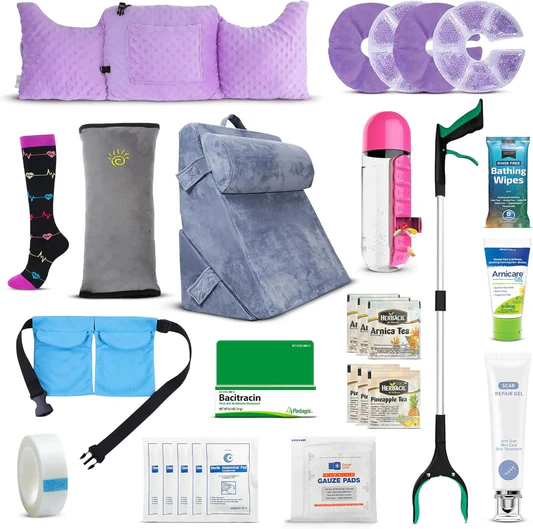
Liposuction is one of the most commonly performed cosmetic procedures worldwide, designed to remove stubborn fat deposits and improve body contours. While the procedure itself is relatively straightforward, the success of the surgery largely depends on how well the body heals afterward. Liposuction recovery is a gradual process that requires patience, proper care, and realistic expectations.
Recovery does not happen overnight. Swelling, soreness, and temporary limitations are normal parts of the healing journey. Understanding the recovery process helps patients feel prepared, avoid complications, and achieve smoother, longer-lasting results. This article provides a clear and realistic overview of liposuction recovery, including timelines, common symptoms, care tips, and long-term healing.
Understanding Liposuction Recovery
Liposuction recovery refers to the healing period following fat removal surgery. During liposuction, fat cells are removed through small incisions using a suction technique. Although the incisions are small, the procedure causes internal trauma to tissues, which explains the swelling, bruising, and discomfort afterward.
Recovery time depends on several factors, including:
- The amount of fat removed
- The number of areas treated
- The technique used
- The patient’s overall health
Most patients begin to feel better within a few weeks, but full recovery can take several months.
The First 24–48 Hours After Liposuction
The first two days after surgery are usually the most uncomfortable stage of liposuction recovery.
Common Symptoms
Patients often experience:
- Swelling and bruising
- Soreness and tenderness
- Fluid leakage from incision sites
- Fatigue
- Mild to moderate pain
Pain is typically manageable with prescribed medications. Fluid drainage from incisions is normal and helps reduce swelling.
Rest and Movement
Rest is important during this stage, but light walking is encouraged to improve circulation and reduce the risk of blood clots. Strenuous activity should be avoided.
The First Week of Liposuction Recovery
The first week is focused on managing swelling and allowing the body to adjust.
Compression Garments
Wearing compression garments is essential during liposuction recovery. These garments:
- Reduce swelling
- Support healing tissues
- Improve skin retraction
- Help achieve smoother contours
Patients are usually advised to wear compression garments most of the day during the first few weeks.
Swelling and Bruising
Swelling often peaks during the first week, and bruising may spread to surrounding areas. Results may look uneven or exaggerated at this stage, which is normal.
Weeks Two to Three: Early Healing Phase
By the second and third weeks, many patients notice improvement.
Physical Changes
- Reduced pain and tenderness
- Bruising begins to fade
- Improved comfort while moving
Although swelling is still present, it becomes more manageable. Most patients feel comfortable returning to light daily activities during this phase.
Activity Level
Gentle walking is encouraged, but exercise and heavy lifting are still restricted. Following your surgeon’s guidelines is important to prevent complications.
One Month After Liposuction
At around four weeks, liposuction recovery enters a more stable phase.
Visible Improvements
- Swelling gradually decreases
- Body contours become more defined
- Treated areas feel firmer but less tender
Some numbness or tingling in the treated areas is common and usually temporary.
Returning to Work
Many patients can return to desk jobs within two to four weeks. Jobs that involve physical labor may require a longer recovery period.
Two to Three Months Into Liposuction Recovery
This stage is when results start to look more natural.
Healing Progress
- Most swelling has subsided
- Skin begins to adapt to new contours
- Treated areas feel softer and more natural
While the body looks improved, internal healing is still ongoing. Maintaining healthy habits supports better long-term results.
Three to Six Months: Continued Healing
By this stage, liposuction recovery is well underway.
What to Expect
- Minimal swelling
- Improved skin tightening
- More consistent body shape
Patients are usually allowed to resume regular exercise routines with medical approval. Weight fluctuations should be avoided, as they can affect results.
Six Months to One Year: Full Liposuction Recovery
Complete liposuction recovery can take up to one year.
Final Results
By the end of this period:
- Swelling is fully resolved
- Skin has adjusted to the new shape
- Scars have faded
- Final contours are visible
Results are considered long-lasting as long as a stable weight is maintained.
Pain Management During Liposuction Recovery
Pain levels vary depending on the extent of the procedure.
Common Pain Management Methods
- Prescribed or over-the-counter pain medication
- Compression garments
- Proper rest and elevation
- Gentle movement
Severe or worsening pain should always be reported to a healthcare provider.
Nutrition and Hydration for Healing
Diet plays an important role in liposuction recovery.
Recommended Nutrition
- Protein to support tissue repair
- Fruits and vegetables for vitamins
- Adequate hydration to reduce swelling
Reducing salt intake can help minimize fluid retention.
Emotional Aspects of Liposuction Recovery
It is common to experience emotional ups and downs during recovery.
Common Feelings
- Impatience about results
- Concern about swelling or unevenness
- Temporary dissatisfaction
These feelings usually resolve as swelling decreases and results become more visible.
Common Concerns During Liposuction Recovery
Is swelling normal?
Yes. Swelling can last for several months and gradually improves.
When will I see final results?
Most patients see near-final results within three to six months, with continued improvement up to one year.
Can fat come back?
Removed fat cells do not return, but remaining fat cells can enlarge with weight gain.
Possible Complications to Watch For
Although liposuction is generally safe, contact your surgeon if you experience:
- Severe pain or swelling
- Fever or chills
- Signs of infection
- Unusual drainage
- Persistent asymmetry
Early treatment helps prevent serious complications.
Tips for a Smooth Liposuction Recovery
- Follow your surgeon’s instructions carefully
- Wear compression garments as directed
- Avoid smoking and alcohol
- Stay active without overexertion
- Maintain a stable weight
- Be patient with the healing process
Final Thoughts on Liposuction Recovery
Liposuction recovery is a gradual process that requires time, care, and realistic expectations. While the procedure can significantly improve body contours, the final outcome depends on proper healing and healthy lifestyle choices.
By understanding each stage of recovery, following medical advice, and allowing your body the time it needs to heal, liposuction recovery can be smooth and rewarding, leading to long-lasting confidence and satisfaction with your results.


Freight Forwarding Services in Canada: How Progressive Cargo Simplifies Global Logistics
Freight forwarding plays a crucial role in today’s interconnected global economy. Business…