
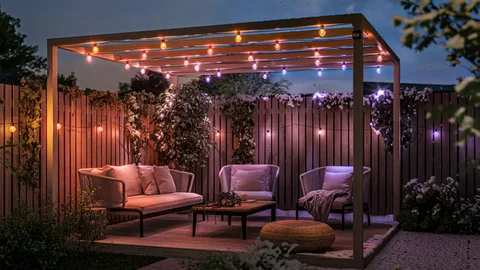
The expectations of people from their built environments are consistently changing, and modern lighting solutions are playing a key role in defining that change. Lighting is no longer treated as a basic illumination setup installed in the background for utility purposes or an element that makes spaces visible. Instead, lighting has become an essential design element that influences comfort, productivity, energy usage, and overall experience of people interacting within a space.
Whether in residential interiors or commercial environments, lighting decisions now directly affect how a space performs on a daily basis. As lifestyles and work patterns shift, lighting must adapt to support both function and flexibility. This shift explains why lighting design has moved from basic illumination toward purpose-driven lighting solutions. So, to know how these modern lighting solutions are changing the way spaces function, this is your spot to explore and read more.
Lighting Performance Shapes Daily Usability
A well-lit place does not always have to be the brightest one. It can also be the space where light supports particular activities without causing fatigue or discomfort. Poor lighting can result in glare, shadows, and visual fatigue, whereas thoughtful lighting improves focus, safety, and ease of movement. Modern lighting approaches consider how spaces are used throughout the day rather than relying on a single fixed lighting setup.
Custom Lighting Choice for Personalized Spaces
People want their spaces to be truly personalized, and for this, they can custom-choose their lighting options. For instance, task-oriented areas require focused lights, while shared environments can benefit from balanced ambient lighting that reduces strain and improves visual balance.
The growing use of LED lighting solutions supports this performance-driven approach by offering accurate control over brightness, color temperature, and energy consumption. These systems allow lighting to be tailored to different space areas or work zones without compromising efficiency or comfort.
Lighting Systems Are Becoming More Adaptable
Homeowners or designers no longer prefer static lighting as it does not align with how people use spaces. Today’s environments demand flexibility, whether for changing work schedules, multipurpose rooms, or evolving design preferences.
That is where adaptive lighting systems allow users to adjust illumination levels based on different times of the day or activity level. This results in creating environments that respond to the people’s needs or preferences rather than remaining fixed.
Lighting Adaptability Leads to Cost Efficiency
This lighting adaptability improves long-term usability and reduces the need for frequent redesigns. When lighting systems can change with a space, they offer both functional relevance and design value. As a result, lighting becomes a long-term asset rather than a short-term solution.
Expertise Matters In Delivering Longer Lighting Value
Behind every effective lighting system is careful design planning. This planning includes fixture placement, load calculations, and control integration, and all these aspects influence how lighting performs over time in a space. Without technical understanding, even high-quality components can fail to deliver consistent results.
An experienced innovative lighting company approaches lighting as a coordinated system rather than a collection of fixtures. This ensures visual consistency, reduces maintenance challenges, and prevents common issues such as uneven distribution or excessive brightness. Professional planning also helps future-proof installations, allowing systems to scale or adapt as needs change.
Lighting Works Well With Design
Modern interiors focus on clean lines, material textures, and the flow of dimensions in a space. Lighting must complement these elements instead of competing with them. This can be achieved with integrated lighting solutions as it highlights architectural features, enhances depth, and maintains visual balance across different areas.
When lighting aligns with architectural intent, it reinforces the idea behind the overall design plan. The result is a space that feels balanced and thoughtfully composed, where light enhances focus or attention rather than creating distraction.
Modern Lighting is Making Spaces Sustainable
Sustainability has shifted from an optional consideration to a significant element. Energy-efficient lighting reduces operational costs while supporting environmental responsibility. Longer system lifespans and reduced maintenance further contribute to sustainable outcomes.
These benefits extend beyond environmental impact. Sustainable lighting strategies improve compliance with regulations and support long-term financial planning, particularly in commercial settings where operational efficiency is important.
Common Mistakes That Reduce Lighting Effectiveness
Many spaces still face over-lighting, inconsistent color temperatures, or poor placement. Another frequent issue is selecting fixtures based only on appearance without considering performance or longevity. These mistakes often come from treating lighting as a secondary element instead of considering it an important part of the design element. Avoiding such issues requires early planning and a clear understanding of how lighting interacts with space and users.
Conclusion
If you are redesigning a space or planning a new one, consider how lighting supports real-world use rather than focusing only on aesthetics. Thoughtful lighting decisions can significantly improve comfort, efficiency, and long-term functionality, making lighting a strategic investment rather than a simple design choice. So, start planning your amazing lighting design and make your home or commercial zones an inspiring and inviting space.
Freight Forwarding Services in Canada: How Progressive Cargo Simplifies Global Logistics
Freight forwarding plays a crucial role in today’s interconnected global economy. Business…