

Desi Ghee Price in Pakistan

Desi ghee has remained a cornerstone of Pakistani kitchens for generations, valued for rich aroma, nutritional strength, and cultural importance. From village breakfasts to festive sweets, this traditional fat continues to shape daily meals and special occasions alike. Rising demand, changing production methods, and market fluctuations have also increased public interest in desi ghee price in pakistan, especially among health-conscious families and food businesses.

What Makes Desi Ghee Special?

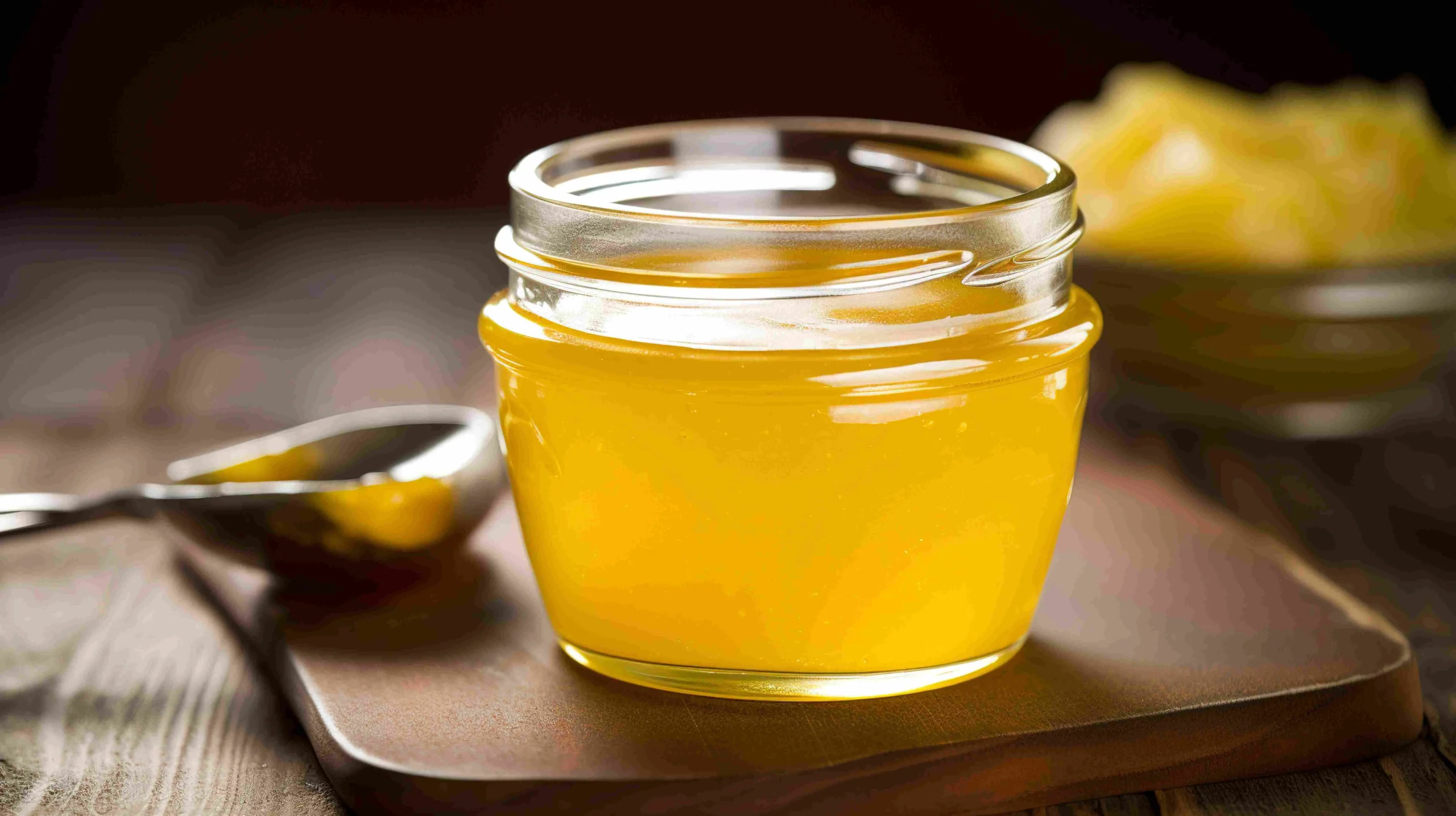
Desi ghee is clarified butter traditionally prepared from cow or buffalo milk. Unlike refined cooking oils, it goes through a slow heating process that removes moisture and milk solids, leaving behind pure golden fat.

Traditional Preparation Methods

Milk is first converted into yogurt, then churned into butter, and finally simmered to produce ghee. This age-old method enhances flavor and improves shelf life, making desi ghee suitable for Pakistan’s climate.

Nutritional Profile

Desi ghee contains fat-soluble vitamins such as A, D, E, and K. Small quantities offer energy, support digestion, and help absorb nutrients when used wisely in daily cooking.

Cultural Importance of Desi Ghee in Pakistan

Pakistani cuisine relies heavily on desi ghee for taste and authenticity. Many traditional dishes feel incomplete without it.

Role in Everyday Cooking

From parathas and daal tarka to rice dishes, desi ghee adds depth of flavor. Rural households often prefer homemade ghee, while urban families buy branded options.

Festive and Religious Use

Sweets like halwa, laddoos, and mithai depend on quality ghee. During weddings, Eid, and other celebrations, generous use of desi ghee symbolizes hospitality and abundance.

Understanding Desi Ghee Price in Pakistan

Growing awareness of food quality has led many consumers to closely monitor desi ghee price in Pakistan. Prices can vary significantly based on multiple factors.

Factors Affecting Prices

Milk availability plays a major role. Seasonal changes, fodder costs, and livestock health directly influence milk production, which in turn affects ghee prices. Inflation and fuel costs also increase transportation and processing expenses.

Homemade vs Branded Desi Ghee

Homemade desi ghee is often considered purer but requires access to fresh milk and time for preparation. Branded ghee offers convenience and standardized quality, though prices may be higher due to packaging, marketing, and distribution costs.

Urban and Rural Price Differences

Cities like Karachi, Lahore, and Islamabad often show higher prices due to demand and logistics. Rural areas may offer comparatively lower rates, especially where dairy farming is common.

Health Benefits and Responsible Consumption

Desi ghee has been praised in traditional medicine, but moderation remains essential.

Digestive and Energy Benefits

Properly prepared ghee supports digestion by stimulating digestive enzymes. Athletes and physically active individuals value it for sustained energy.

Myths and Misconceptions

Some believe desi ghee automatically causes weight gain or heart problems. Health impact depends on quantity, overall diet, and lifestyle. Balanced intake rarely causes harm for healthy individuals.

How to Identify Pure Desi Ghee

Adulteration remains a concern in local markets, making awareness important for buyers.

Visual and Aroma Tests

Pure desi ghee usually has a grainy texture when cooled and releases a pleasant nutty aroma when heated. Artificial ghee may appear overly smooth and lack fragrance.

Trusted Sources and Labels

Purchasing from reputable dairy farms or well-known brands reduces risk. Checking manufacturing details and avoiding unusually low prices also helps ensure quality.

Market Trends in Pakistan

Consumer preferences continue to evolve, shaping the desi ghee market nationwide.

Rising Demand for Organic Options

Urban consumers increasingly seek organic and farm-fresh ghee. This trend has influenced desi ghee price in Pakistan, especially for premium products.

Impact of E-Commerce

Online grocery platforms now deliver desi ghee across major cities. Digital access allows buyers to compare prices, read reviews, and choose trusted sellers more easily.

Tips for Buying Desi Ghee Wisely

Smart purchasing decisions help balance quality and budget.

Compare Prices and Quality

Checking multiple vendors before buying ensures fair pricing. Paying slightly more for verified purity often saves money in the long run.

Storage and Shelf Life

Desi ghee stays fresh longer when stored in airtight containers away from moisture and direct sunlight. Proper storage prevents spoilage and maintains flavor.

Future Outlook of Desi Ghee in Pakistan

Demand for traditional foods continues to grow as people reconnect with cultural roots and natural diets. Improvements in dairy farming, better quality control, and increased consumer awareness may stabilize desi ghee price in Pakistan over time.

Opportunities for Local Producers

Small dairy farms and home-based producers can benefit from branding and hygiene standards. Direct-to-consumer sales may reduce costs and build trust.

Consumer Awareness and Education

As knowledge about nutrition and food sourcing improves, buyers will make informed choices, encouraging healthier competition in the market.

Conclusion

Desi ghee remains more than just a cooking ingredient in Pakistan; it represents heritage, nourishment, and comfort. Understanding quality, health benefits, and desi ghee price in Pakistan helps families make better decisions for daily meals and special occasions. With mindful consumption and careful purchasing, this golden staple can continue enriching Pakistani cuisine for generations to come.

Leave a Reply

Your email address will not be published. Required fields are marked *

Check Also

What Are the Do’s and Don’ts of Using Face Serums?

Face serums have become an important part of modern face care and beauty routines. From gl…