
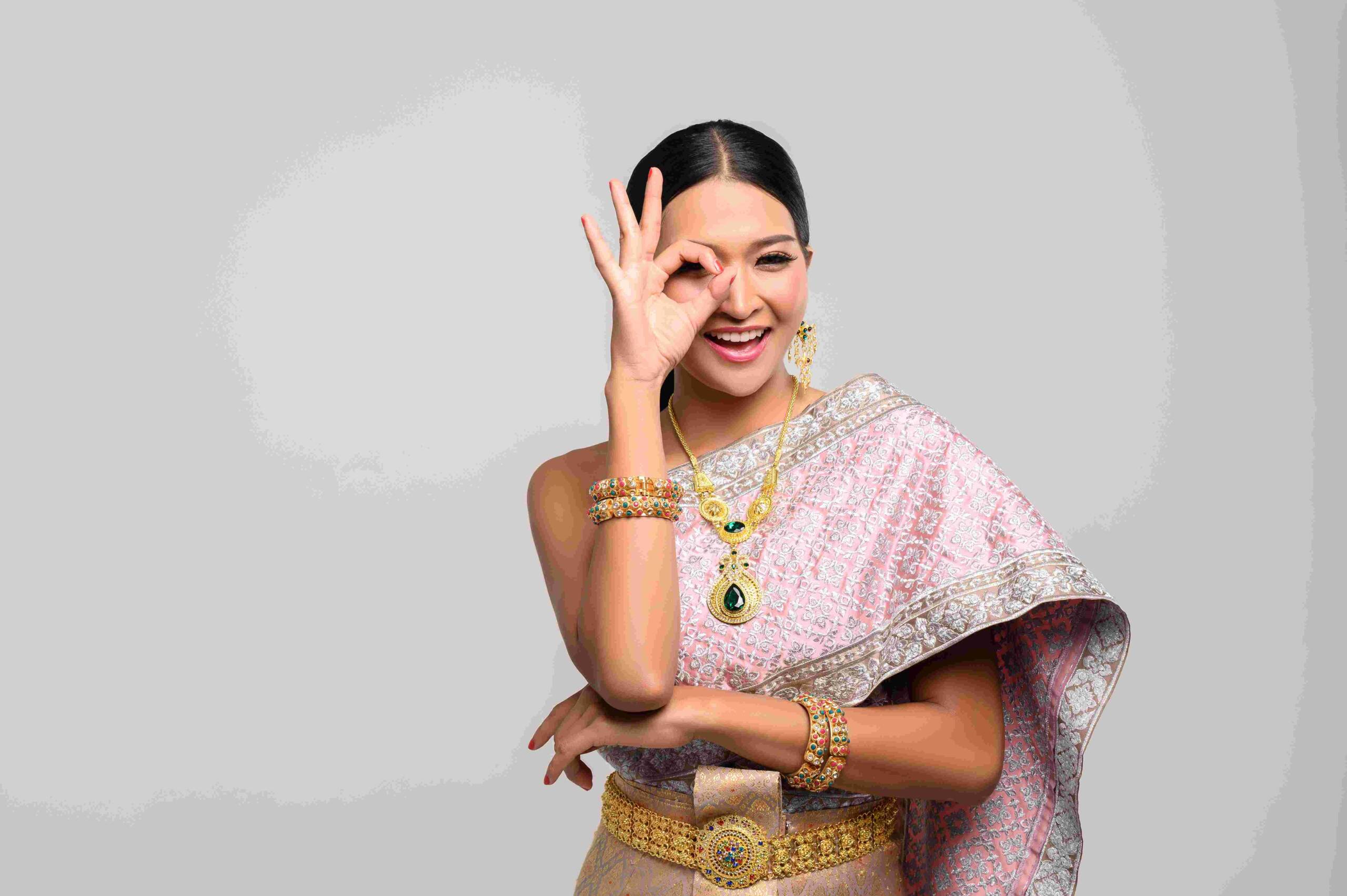
The mangalsutra stands as one of the most sacred and significant pieces of jewelry in Indian matrimonial tradition, symbolizing the eternal bond between husband and wife. This auspicious necklace, whose name translates to “sacred thread,” has adorned married Hindu women for centuries, representing marital commitment, prosperity, and the husband’s longevity. While deeply rooted in tradition, the mangalsutra has evolved dramatically to meet contemporary aesthetic preferences, allowing modern Indian brides to honor cultural heritage while expressing individual style through innovative designs that seamlessly blend the old and new.
The Cultural Significance of Mangalsutra
Traditional mangalsutra holds profound spiritual and cultural meaning within Hindu marriage customs. The black and gold beads possess specific symbolism—black beads are believed to ward off evil and protect the marriage from negative energies, while gold represents prosperity and Goddess Parvati’s blessings. The number of beads often carries significance, with many traditional designs featuring specific counts considered auspicious according to regional customs and family traditions.
During wedding ceremonies, the groom ties the mangalsutra around the bride’s neck in a ritual called “mangalyadharana,” marking one of the marriage’s most sacred moments. This act, witnessed by family, friends, and deities invoked during the ceremony, legally and spiritually binds the couple. The mangalsutra then becomes an essential part of a married woman’s identity, traditionally worn continuously as a visible marker of marital status and a constant reminder of marital vows.
Regional Variations in Traditional Mangalsutra
India’s vast cultural diversity manifests beautifully in regional mangalsutra styles, each reflecting local craftsmanship traditions and aesthetic preferences. Understanding these variations helps brides choose designs that honor their specific cultural heritage while potentially incorporating elements from multiple traditions.
Maharashtra: The traditional Maharashtrian mangalsutra features two vati (cup-shaped pendants) strung on black beads, creating simple yet elegant designs. The pendant often incorporates intricate gold work with small diamond accents, suspended from gold chains interspersed with black bead sections.
Tamil Nadu: South Indian mangalsutras, called “thirumangalyam” or “thaali,” typically feature elaborate gold pendants with temple jewelry motifs, deity engravings, or sacred symbols like the sun and moon. These pendants hang from yellow thread or gold chains with minimal black bead incorporation, reflecting regional preferences.
Bengal: Bengali tradition employs the “sankha” (conch shell) and “pola” (red coral) bangles as primary marital symbols, though modern Bengali brides increasingly adopt mangalsutra alongside these traditional items, often choosing designs that incorporate regional aesthetic sensibilities.
North India: Northern regions favor delicate designs with multiple black bead strands interspersed with small gold elements, culminating in ornate pendants featuring diamonds, gemstones, or intricate metalwork patterns.
Karnataka and Andhra Pradesh: These regions feature substantial gold pendants with religious iconography, often quite large and elaborate, suspended from thick gold chains with strategic black bead placement.
Traditional Design Elements
Classic mangalsutra incorporates specific design elements that carry traditional significance while providing aesthetic foundation. The black bead strands typically consist of glass, onyx, or black diamonds, depending on the family’s economic means and regional preferences. These beads are strung on durable gold thread or chain, with some designs featuring multiple strands for added visual impact.
The pendant, called the “vati” or “tanmaniya,” represents the design’s focal point. Traditional pendants feature round or cup shapes with embossed patterns, religious symbols, or deity representations. Gold filigree work, enamel detailing, and gemstone settings enhance these pendants, creating heirloom-quality pieces passed through generations.
Some traditional designs incorporate additional elements like small gold cylinders between black bead sections, coral accents, or pearl embellishments. The length typically varies from choker-style sitting high on the neck to longer versions extending to the chest, with regional traditions dictating appropriate lengths.
Modern Adaptations for Contemporary Brides
Today’s Indian brides navigate the delicate balance between honoring tradition and expressing modern sensibilities, leading to innovative mangalsutra designs that respect cultural significance while accommodating contemporary lifestyles and fashion preferences. These adaptations ensure the mangalsutra remains relevant and wearable for professional working women, frequent travelers, and those with cosmopolitan style sensibilities.
Minimalist Contemporary Designs: Simplified mangalsutras feature single black bead strands with small, understated pendants crafted in geometric shapes, abstract patterns, or stylized traditional symbols. These delicate pieces coordinate with Western professional attire while maintaining symbolic significance, making them suitable for daily office wear without appearing incongruous.
Diamond-Studded Luxury: High-end contemporary mangalsutras incorporate substantial diamond work, transforming traditional designs into statement jewelry pieces appropriate for formal occasions. Diamonds may encrust pendants entirely, accent black beads themselves, or create pavé settings throughout the gold chain, elevating the mangalsutra to luxury jewelry status.
Convertible Multi-Wear Designs: Innovative designs allow brides to wear their mangalsutras in multiple configurations. Detachable pendants convert traditional pieces into simple gold chains for casual wear, while additional chain sections adjust lengths from choker to long necklace styles. Some designs separate into multiple jewelry pieces—pendant becoming a brooch, chain sections forming bracelets—maximizing wearability and value.
Layered Designs: Contemporary aesthetics embrace layering, with mangalsutras designed to coordinate with other necklaces. Shorter mangalsutra chains layer beautifully beneath longer statement necklaces, creating dimensional looks that blend tradition with modern styling techniques.
Rose and White Gold Alternatives: While yellow gold remains traditional, modern brides increasingly choose rose gold for its romantic warmth or white gold for sleek contemporary appeal. Some designs combine multiple gold tones, creating visual interest through metal color variation rather than solely through beadwork and pendants.
Choosing the Right Mangalsutra
Selecting a mangalsutra requires considering multiple factors beyond aesthetic preference. Lifestyle considerations rank paramount—active professional women might prefer shorter, lighter designs that won’t interfere with work activities, while those in traditional households may opt for more substantial pieces honoring family expectations.
Budget constraints influence choices significantly, with options ranging from simple gold-and-black-bead combinations to elaborate diamond-studded creations costing several lakhs. Understanding gold purity standards—22K offers traditional richness and substantial gold content, while 18K provides enhanced durability through higher alloy content—helps optimize value.
Face shape and neck length influence appropriate mangalsutra styles. Longer necks accommodate choker-length designs beautifully, while shorter necks benefit from lower-hanging pendants that create elongating vertical lines. Personal style consistency ensures your mangalsutra integrates naturally with your existing jewelry collection and wardrobe preferences.
Caring for Your Traditional Mangalsutra
Proper maintenance preserves mangalsutra beauty and structural integrity across decades or even generations. Store separately in soft-lined jewelry boxes, preventing black beads from scratching gold elements. Clean gold components regularly using warm water with mild soap, gently wiping with soft cloths. Avoid harsh chemicals, chlorine, and cosmetics that might damage gold finishes or bead coatings.
Inspect the stringing thread or chain periodically, especially where it passes through bead holes—this high-stress area experiences maximum wear. Professional restringing every few years prevents catastrophic breaks that could result in bead loss. Check pendant attachments and clasp functionality regularly, addressing any looseness immediately.
The Emotional Value of Mangalsutra
Beyond monetary investment and aesthetic appeal, mangalsutras carry profound emotional significance that transcends their physical form. Many women describe feeling incomplete without their mangalsutra, having grown accustomed to its constant presence. The piece witnesses daily life—career achievements, children’s births, family celebrations, quiet domestic moments—becoming imbued with memories and meaning that far exceed its creation.
Some families pass mangalsutras through generations, with mothers gifting their wedding mangalsutras to daughters or daughters-in-law, creating tangible connections across time. These heirloom pieces carry family history, witnessing multiple marriages and lives while maintaining their sacred purpose.
Balancing Tradition and Modernity
The evolution of traditional mangalsutra designs reflects broader cultural negotiations between preserving heritage and embracing contemporary life. Modern Indian brides need not choose between honoring tradition and expressing individual identity—today’s diverse design landscape offers abundant options satisfying both requirements beautifully.
Whether selecting elaborate traditional designs that closely mirror ancestral pieces or choosing sleek contemporary interpretations that hint at tradition through minimal black bead incorporation, the mangalsutra’s essential meaning remains constant. It symbolizes love, commitment, partnership, and the sacred bonds that unite two individuals and their families.
Traditional mangalsutra designs for modern Indian brides represent living tradition—neither frozen in historical forms nor abandoning cultural roots, but rather evolving organically to serve contemporary women while maintaining the sacred significance that has made this jewelry central to Indian marital identity for countless generations.
Freight Forwarding Services in Canada: How Progressive Cargo Simplifies Global Logistics
Freight forwarding plays a crucial role in today’s interconnected global economy. Business…