
When customers walk into a store or butcher shop, the first thing they notice is the color and texture of the meat. Red tones, firm textures, and a slight gloss can make meat appear fresh even after storage for a short time. Many stores carefully monitor lighting and temperature to keep their appearance.
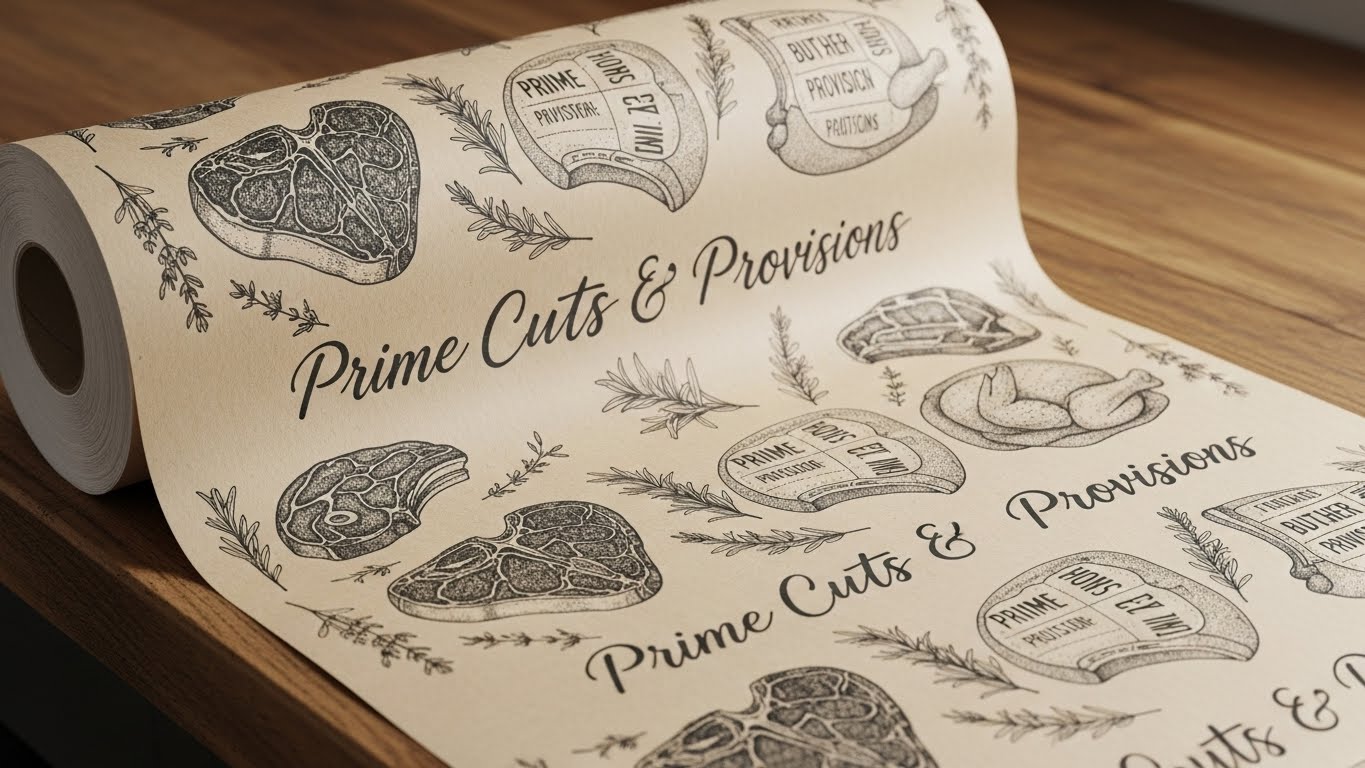
Storytelling helps explain this. Imagine a small butcher shop in a busy town. A family walks in looking for dinner. The child notices red, glistening meat on the counter and asks, “Is it fresh?” Visual appeal builds trust even before smell or taste comes into play. Choosing the right wrapping also plays a role. Many businesses now rely on WaxPapersHub to get pink butcher paper, which highlights freshness and adds a layer to protect meat from contamination.
How Can Temperature Influence Meat’s Appearance?
Temperature is one of the main factors in keeping meat looking fresh. Meat stored at the right cold temperature keeps a red appearance, while warmer storage can cause discoloration and dryness. Oxidation occurs faster at room temperature, making meat look brown. This is why display cases are often kept just above freezing. Butchers also rotate stock to ensure the freshest cuts are at the front.
The story helps here. In a small Canada-based deli, the owner noticed customers were passing by the older meat displays without interest. By installing a new cooling system and adjusting lighting, the meat looked appealing again. Customers started asking for cuts, and sales increased. Wrapping meat in custom wrapping paper for storage or pre-wrapping keeps the surface from drying out. Many small shops trust WaxPapersHub for paper that protects and maintains meat.
Does Moisture Affect How Fresh Meat Looks?
Moisture on the surface of meat creates a shine that signals freshness. Meat that looks dry often turns off customers, even when safe to eat. Butchers use controlled humidity or lightly mist meat with water to keep it looking juicy. The key is balance—too much water can pool and cause discoloration, while too little makes meat appear dry.
The story shows this: a butcher noticed that meat wrapped directly in plastic lost its shine quickly. By switching to wrapping paper, moisture was kept at a good level, allowing meat to look fresh for hours. Touch of moisture combined with wrapping improves customer perception without artificial additives. Shops that understand this often see increased trust and repeat buyers. Simple measures like keeping surfaces dry, using paper wrapping, and monitoring humidity make a difference in presentation.
Why Does Color Matter for Meat Freshness?
Color is the first thing customers notice when choosing meat. Red or pink shades signal freshness, while dull tones suggest older meat. Exposure to air for short periods actually enhances red appearance due to a reaction called bloom.
The story of a family shopping for dinner illustrates this. They see two trays of steak, one red, the other grayish. They chose the red tray, without knowing science. Butchers can control color perception through storage, lighting, and wrapping. Using custom kraft paper protects meat and enhances contrast, making colors visible. Small choices in presentation influence customer trust and buying decisions.
How Do Cuts and Trims Affect Meat Appeal?
The way meat is cut affects how fresh it looks. Clean, even cuts without jagged edges or excess fat tend to appear more appealing. Fat adds flavor but should be trimmed properly; too much visible fat can make meat look old. Portioning meat into standard sizes helps customers perceive quality and freshness.
Storytime: a butcher noticed customers hesitated when picking pre-cut steaks with irregular shapes. After standardizing cuts and trimming edges, sales improved. Attention to detail, even before cooking, impacts perception. Wrapping these pieces in custom wrapping paper boosts freshness visually while offering protection. Trimming and cutting properly is a cost-effective way to make meat attractive without chemicals.
How Does Presentation Influence Customer Perception?
Arrangement of meat on trays or counters shapes how customers see freshness. Neatly stacked cuts, separated by paper, or arranged in layers that show marbling look more appealing than cluttered displays. People associate neatness with care and quality.
Story: a small family-owned butcher shop started arranging meat in a consistent way, placing cuts together and adding paper separators. Customers commented on how clean the display looked, which encouraged purchases. Wrapping meat in custom wrapping paper supports visual appeal. Minor adjustments in presentation strengthen trust and make products feel ready to eat without changing quality.
What Role Does Fresh Smell Play in Appearance?
Though it seems unrelated to sight, smell affects how customers perceive meat visually. Meat that smells neutral or slightly sweet appears fresher than meat with an off odor. The brain connects smell with visual cues, so fresh-smelling meat looks fresher.
Story: a butcher noticed customers hesitated when opening certain trays. Air circulation and wrapping in custom wrapping paper helped keep natural smell and visually improved freshness. Attention to smell, combined with wrapping and storage, improves perception. Visual and olfactory cues together make meat appear fresh.
Can Wrapping Materials Make Meat Look Fresher?
The right material affects perception. Paper wrapping allows meat to breathe, reducing discoloration while keeping clean. Custom wrapping paper highlights natural meat colors.
Story: a new butcher shop owner struggled to make meat stand out. She switched to custom wrapping paper for pre-portioned wraps, and customers noticed. Paper preserved color and maintained texture. Many restaurants rely on WaxPapersHub for meat safe wrapping paper that is functional and improves appearance. Choosing right wrapping improves freshness perception without changing quality.
Does Handling Affect How Meat Appears to Customers?
Excessive touching can make meat look unappealing quickly. Fingerprints or uneven surfaces give the impression of poor care, which customers link with lower freshness. Staff training on hygiene and careful handling is essential.
Story: a butcher shop introduced a rule: employees use gloves and minimize touching. They wrapped cuts immediately in freezer paper after trimming. Customers noticed; meat appeared clean and fresh. Handling may seem minor, but careful handling and immediate wrapping enhance trust. Combined with presentation and temperature, strategy forms a complete freshness approach.
Can Rotation Improve Meat Appearance?
Stock rotation keeps meat looking fresh. First-in, first-out methods ensure older meat is sold before losing color or texture. Displaying only recently cut meat guarantees visual appeal.
Story: A local deli in Canada struggled with leftover cuts. After implementing rotation and using custom wrapping paper to wrap unsold portions temporarily, appearance improved. Customers noticed and trusted the store more. Rotation and storage maintain consistency, helping shops create impressions of fresh meat every day.
Can Simple Tricks Keep Meat Looking Fresh Longer?
Combining small strategies makes a difference. Using wrapping, monitoring temperature, trimming cuts, and controlling light keeps meat looking longer. Tricks like arranging meat neatly and using custom wrapping paper enhance appearance naturally.
Story: a family butcher found that combining wrapping, rotation, trimming, and lighting improved sales. Meat looked red all day, and customer trust grew. Shops that use custom wrapping paper from WaxPapersHub benefit more. Small steps together create a big impact on both perception and quality.


Freight Forwarding Services in Canada: How Progressive Cargo Simplifies Global Logistics
Freight forwarding plays a crucial role in today’s interconnected global economy. Business…