Packaging is the first element customers notice about toys. Children respond to colors, shapes, and textures, while parents focus on safety and clarity. Boxes show what toy is for, the appropriate age, and how the components work together. Packaging protects products during shipping, handling, and storage. Windows or transparent sections display toys clearly, which helps children understand the product before opening.
Clear, organized boxes make parents confident in their purchase. Packaging combines protection, information, and visibility, which can influence selection among many options. Retailers also notice how well a box stands on shelf, because organized and visible products often sell faster. Packaging communicates quality and usability without verbal explanation. For new toys or unfamiliar brands, packaging often creates a first impression, which affects the chances of children asking their parents to buy.
How Can Different Shapes Attract More Buyers?
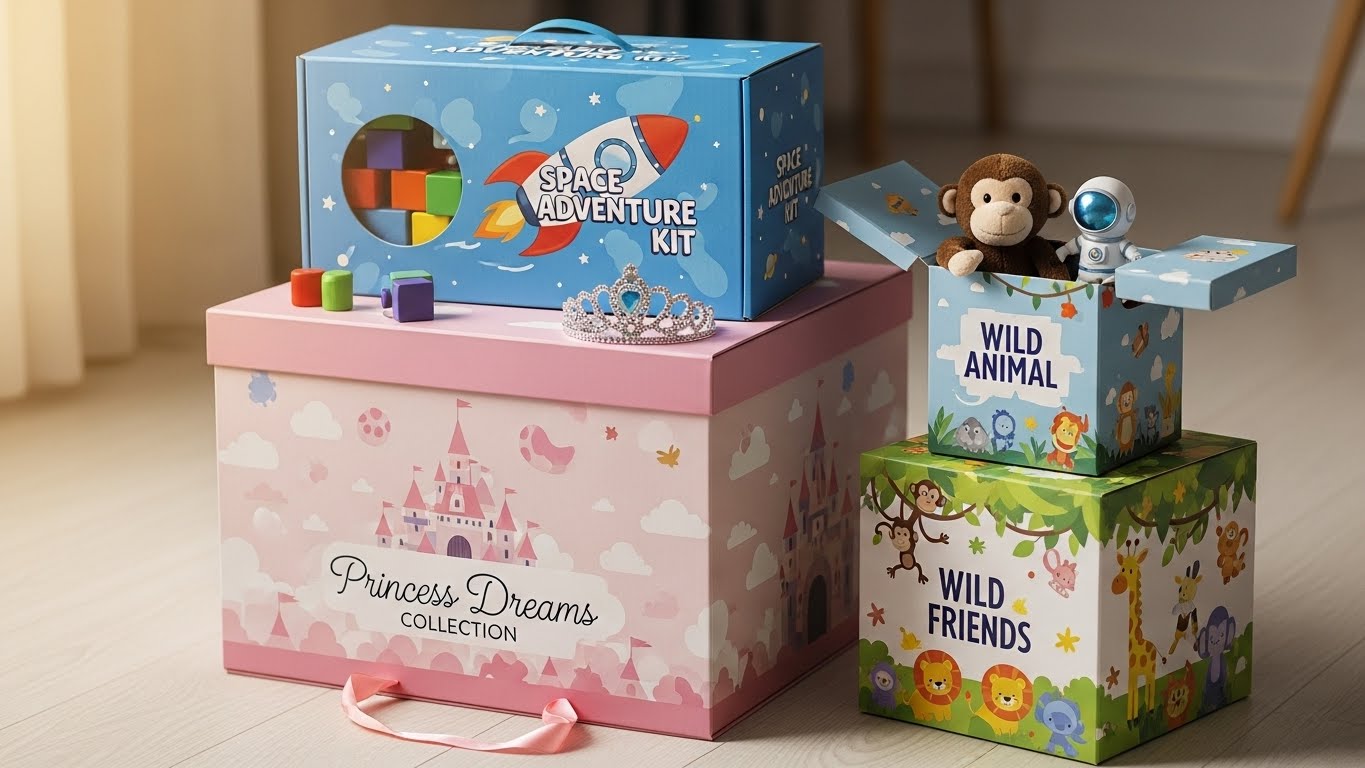
Boxes with non-standard shapes catch attention quickly. Shapes resembling cars, castles, or rockets suggest themes and create curiosity. Children respond to playful shapes, while parents can understand toy types at glance. Boxes that open in interactive ways, such as flaps or layers, engage children before accessing toys. Shaped boxes also create memory markers for shoppers; a distinctive box is easier to remember.
Stores notice shaped packaging because unique designs separate products from crowded shelves. Shape affects perception of value, safety, and purpose. Parents often choose toys with clear presentation and organized shapes, which reduce confusion in store aisles. Packaging shape can influence display placement, stacking options, and visibility from different angles, which all impact sales.
Can Colors Influence Children’s Choices?
Colors influence how children and parents perceive toys. Bright reds, yellows, and blues attract attention, while pastels appeal for younger children or softer themes. Colors communicate theme, type, or intended age group. For example, green suggests nature, pink may indicate dolls, and multicolor suggests learning or creative play. Parents also use color to determine gender-neutral or educational toys.
Color combinations can create interest and help toys stand out against competitors. Packaging with contrasting colors draws focus to important elements like brand, safety labels, or main toy features. Children remember toys associated with favorite colors, which can lead to repeated recognition in store visits. Color choices can also help seasonal or themed promotions, like holiday or birthday collections.
How Do Illustrations and Graphics Help in Toy Sales?
Graphics and illustrations show purpose and suggested play patterns. Boxes often depict children or characters using toys, demonstrating size, movement, or combinations of components. Pictorial instructions show assembly or how parts connect, which helps parents understand the product. Graphics communicate educational or developmental benefits, like learning shapes, numbers, or problem-solving.
Graphics can highlight special features, including moving parts or interactive elements, without extra explanation. Customers recognize value through images before opening the box. Retailers benefit from graphics, because visual storytelling often encourages impulse purchase. When boxes present toys through scenes, activities, or themes, children understand how to interact, increasing interest and likelihood of selection.
Why Are Interactive Features on Packaging Effective?
Interactive packaging includes flaps, windows, pull-out sections, or textures. Children explore features, which increases engagement before accessing products. Hands-on interaction encourages curiosity and excitement. Retailers report higher sales when children can manipulate or touch boxes.
Parents find structured interactive elements convenient for handling, storage, and reuse. Interactive packaging can demonstrate toy functions, such as opening compartments to reveal smaller toys or components. Children can play with packaging as part of initial experience. Interactive features can reduce hesitation in purchase, because children understand functionality and parents see educational or playful potential.
How Does Branding on Packaging Influence Purchases?
Branding on boxes helps customers recognize toys quickly. Children often identify familiar brands, and parents associate brands with quality or durability. Brand name, logo, or signature colors can differentiate products from competitors. Labels or marks also highlight features, educational aspects, or certifications.
Recognized branding influences trust, especially for new or higher-priced toys. Children who have positive experience with a brand may request additional products from the same company. Clear brand presentation supports marketing and shelf visibility. Retailers notice that branded packaging often leads to faster sales and repeat customers. Branding communicates value, quality, and reliability without additional explanation.
How Can Custom Boxes Improve Store Visibility?
Custom Boxes allow display without removing toys. They stand upright and maximize shelf presence. Transparent windows show product clearly, reducing hesitation in selection. Retail boxes protect toys during handling, stocking, and transport. Organized boxes make shelving easier for staff.
Children notice displayed toys and ask parents for specific items. Boxes that show toys clearly encourage engagement and increase sales potential. Custom boxes can also highlight features, contents, or themes without extra text. Structured packaging ensures stacking stability, visibility from multiple angles, and safe transport, which benefits retailers and improves customer confidence.
How Do Personalized Boxes Make Toys More Special?
Personalized boxes can include names, favorite colors, or custom themes. Personalization connects children to products, making toys feel unique. Parents value gifts that feel personal or thoughtful. Customized boxes can be kept after toy use for storage or collection. Personalization adds perceived value, encourages repeat purchase, and creates emotional attachment.
Brands and small businesses can provide personalization through specialized services. UPacked allows businesses to design personalized toy boxes for specific audiences. Custom packaging may encourage children to engage more with toys and request similar products from the same brand. Personalization also allows seasonal, gift, or limited-edition releases.
Can Packaging Affect Online Toy Sales?
Images of boxes play a key role in online shopping. Buyers cannot touch or open the product, so packaging presentations must convey size, features, and purpose clearly. Transparent windows, clear labeling, and visible components build confidence. Detailed pictures and illustrations help parents assess safety, age suitability, and play value. Packaging that highlights components can improve understanding of product complexity and options. Reviews often include photos of boxes and unboxing, which influence other buyers. Strong packaging photography increases visibility, encourages shares on social media, and can increase conversion rates. Presentation matters for both first-time buyers and repeat customers.
How Does Packaging Storytelling Build Customer Connection?
Boxes with stories show context and use patterns. Story elements demonstrate play, adventure, or learning. For example, a rocket custom box may show a mission scenario with planets, astronauts, or activities. Storytelling helps children understand how to interact with toys. Parents see value through narrative context. Storytelling can increase memory retention and create desire to continue play. Instructional ideas or themes can be printed on the box for added benefit. Storytelling packaging encourages repeat selection and strengthens emotional connection. Boxes become part of the toy experience beyond contents alone.
Why Is Sustainability Important in Toy Packaging?
Sustainable boxes use recyclable materials or biodegradable inks. Cardboard, paper, or plant-based materials reduce environmental impact. Safe packaging shows care for children and the environment. Reusable or sturdy boxes support storage and gift reuse. Markets like Canada increasingly value sustainability in toys. Parents are more likely to select products that reduce waste or use non-toxic materials. Eco-friendly packaging supports responsible branding. Consumers notice sustainable materials on the box and associate brands with environmental responsibility. Using recyclable or reusable components increases likelihood of positive reception and repeat purchase.
How Can Toy Brands Use Packaging to Stand Out?
Brands can combine shapes, colors, graphics, interactive features, storytelling, and personalization to make boxes noticeable. Packaging communicates product purpose, theme, and educational value. Services like UPacked allow businesses to create personalized boxes dsigned to target customers.
Clear and structured packaging helps children understand toys, while parents assess quality and safety. Packaging can influence selection in stores and online. Standout boxes may increase engagement, create loyalty, and improve repeat purchase probability. Packaging is an integral part of the toy experience, guiding customer decisions and improving sales growth.


Freight Forwarding Services in Canada: How Progressive Cargo Simplifies Global Logistics
Freight forwarding plays a crucial role in today’s interconnected global economy. Business…