
The modern architecture and industrial plants have an incredible trust in proper wiring layout that has been able to guarantee safety, performance, and long-term reliability. With the increasing complexity of electrical networks, the demand for structured pathways to support and protect cables has been significantly increased. In this regard, cable trays have been very important, providing a practical and scalable means of conducting electrical and data cables in a variety of places.
What Are Cable Tray Systems?
Cable tray systems consist of structural supports for setting up and routing insulated electrical cables that are used for the distribution of power, communication, and control. Contrary to closing wires in conduits, the trays offer an open and easy-to-reach pathway that makes the installation and maintenance very simple. These systems are commonly used in the areas of commercial buildings, factories, data centers, and infrastructure projects where the management of huge cable amounts is done in an efficient manner.
Types of Electrical Cable Trays
There are several types of electrical cable trays, each suited to specific applications:
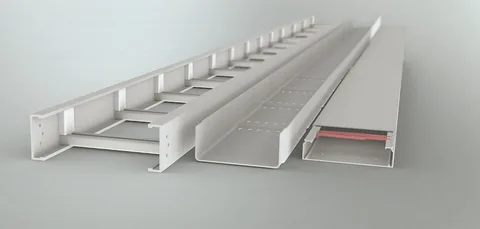
- Ladder trays: Ideal for heavy-duty power cables, offering excellent ventilation and strength.
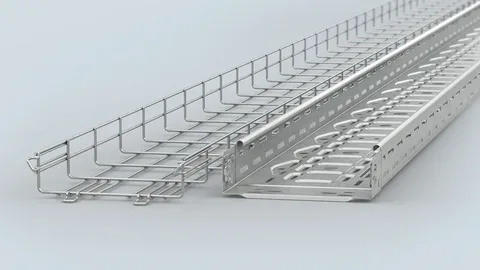
- Perforated trays: Provide balanced support with airflow and are commonly used in commercial settings.
- Solid-bottom trays: Best for sensitive cables that require additional protection from dust or interference.
- Wire mesh trays: Lightweight and flexible, often used for data and communication cabling.
Choosing the right tray type ensures durability, safety, and compliance with electrical standards.
Importance of Cable Management in Modern Infrastructure
Cable management solutions that work well are the ones that take away the mess, protect the cables, and at the same time give a boost to the performance of the system. Overheating, signal interference, and expensive downtimes are some of the consequences of poor wiring management. Tray systems allow companies to have the best of both worlds – organized and uncluttered wiring and easy access for maintenance and upgrades.
Safety and Compliance Benefits
Safety is one of the main benefits of cable tray systems. Cables that are properly supported do not sag, get damaged or disconnected by accident thus the risk is minimized. Moreover, it is easier to handle compliance during inspections and audits as a lot of electrical cable trays are made that way to meet international safety codes.
Advantages of Cable Tray Systems
Flexibility and Scalability
The cable tray systems are non-invasive, in contrast to rigid conduit systems, as it allows making alterations quickly. New cables can be joined or removed without taking apart major parts of the whole system. This adaptability is crucial for buildings that plan to grow in the future.
Improved Heat Dissipation
Ventilation has been increased due to the open design of electrical cable trays, allowing cables to release their heat and thus working more efficiently. This heat-up is not only avoided but also the longevity of electrical elements is increased.
Cost-Effective Installation
Cables management solutions with trays as opposed to conventional wiring methods can actually lead to a decrease in installation time and labor costs. Lesser accessories are needed, and the troubleshooting is made easy because of the visibility of cable paths.
Applications Across Industries
Commercial and Residential Buildings
In the case of office buildings and residential areas, the cable tray system has made it possible to install power and data cables in a neat and orderly manner. They are also serving new requirements like high-speed internet, smart systems, and security networks.
Industrial and Manufacturing Facilities
Heavy-duty electrical cable trays are very beneficial for factories and plants because they can withstand high loads and rough conditions. Galvanized steel or aluminum trays are resistant to rust, chemical, and mechanical stress.
Data Centers and IT Infrastructure
Cable management technology is very advanced in data centers because of the necessity to keep the wiring layout dense. The use of the proper tray systems leads to better airflow, easier maintenance, and less chance of downtime due to cable failures.
Material Choices and Design Considerations
Choosing the correct material is one of the most important decisions for long-term performance. The most common materials are steel, stainless steel, aluminum, and fiberglass-reinforced plastic. Each material provides specific benefits of strength, resistance to corrosion, and weight. The performance of cable trays is further improved by the proper design, spacing, and support.
Maintenance and Longevity
The regular inspection of electrical cable trays guarantees safety and performance. The trays facilitate the detection of wear, loose connections, or overcrowding, hence allowing preventive maintenance before the situation worsens.
Future of Cable Management
The smarter and more interconnected buildings are, the more adaptable cable management solutions will be in demand. The innovation in tray design is based on lighter materials, modular components, and better sustainability, so the systems are always efficient and prepared for the future.
Trusted Expertise in Cable Tray Solutions
When it comes to designing and supplying reliable cable tray systems, partnering with an experienced engineering provider is essential. Companies like BrighttechEngineering focus on delivering durable and well-engineered tray solutions tailored to diverse project requirements. Their expertise helps ensure installations meet both functional and regulatory standards.
In addition, BrighttechEngineering emphasizes quality materials and thoughtful design, supporting long-term performance and easy scalability. By choosing a knowledgeable partner, organizations can implement electrical cable trays that enhance safety, efficiency, and overall system reliability for years to come.


Freight Forwarding Services in Canada: How Progressive Cargo Simplifies Global Logistics
Freight forwarding plays a crucial role in today’s interconnected global economy. Business…