
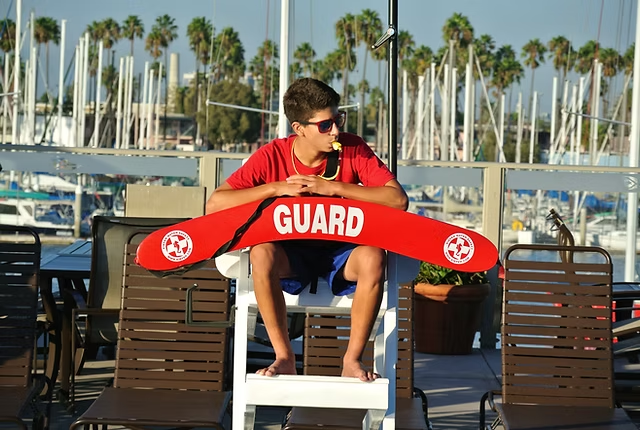
Finding the best lifeguard training near me is an important step for anyone who wants to work around water and ensure public safety. Lifeguard training prepares individuals to prevent accidents, respond to emergencies, and save lives in high-pressure situations.
From swimming pools to beaches and water parks, lifeguards play a critical role in aquatic environments. Proper training equips them with the confidence and skills needed to act quickly and effectively when emergencies occur.
Lifeguard certification is often a mandatory requirement for employment. It combines classroom learning with hands-on practice to ensure lifeguards are fully prepared for real-world scenarios.
Today, it is easier than ever to find the best lifeguard training near me thanks to local training centers, community pools, and hybrid online programs. These courses offer flexible schedules and comprehensive instruction.
This guide explores why lifeguard training is essential, what skills are taught, how certification works, and how to choose the right program near you.
Summary
This guide explains how the best lifeguard training near me prepares individuals for emergency situations through a combination of theory, hands-on practice, and realistic rescue scenarios. It covers why lifeguard training matters, what to expect in a course, key skills and certifications, certification requirements, and how to find reputable training programs nearby. It also highlights how scenario-based learning builds confidence and real-world readiness.
Why Lifeguard Training Matters
Lifeguard training is essential for maintaining safety in aquatic environments. Well-trained lifeguards are prepared to identify risks early and respond to emergencies before situations become life-threatening.
Lifeguarding requires more than strong swimming ability. Training focuses on water surveillance, hazard recognition, rescue techniques, and emergency response. These skills allow lifeguards to remain calm and effective during stressful incidents.
Having certified lifeguards on duty reassures swimmers and their families. Communities rely on trained professionals to create safe recreational spaces. As a result, lifeguards play a vital role in public safety and accident prevention.
Lifeguard training programs typically include instruction in:
-
CPR and first aid
-
Water rescue techniques
-
Use of rescue equipment
-
Emergency communication procedures
Training also builds teamwork and leadership skills. Lifeguards often work in teams and must communicate clearly with coworkers and emergency responders during critical moments.
What to Expect in Lifeguard Training
The best lifeguard training near me usually combines classroom instruction with hands-on practice. This blended approach ensures participants understand both the theory and practical application of lifesaving skills.
Training includes swimming drills designed to build endurance, strength, and confidence in the water. Participants also learn how to use rescue equipment efficiently and safely.
CPR and first aid training are core components of every lifeguard course. Trainees practice these skills repeatedly to ensure quick and accurate responses during emergencies.
Most programs include simulated rescue scenarios. These exercises prepare lifeguards for real-life situations by improving decision-making under pressure.
A typical lifeguard training course covers:
-
Swimming proficiency and endurance
-
CPR, AED, and first aid
-
Rescue techniques for different environments
-
Emergency response and communication
In addition to technical skills, training emphasizes professionalism, responsibility, and teamwork—qualities essential for effective lifeguards.
Key Skills and Certifications Covered
Lifeguard training focuses on developing skills necessary for prevention, rescue, and emergency care. Strong swimming ability is a foundation, but it is only one part of a much broader skill set.
First aid and CPR are critical components. Lifeguards must be able to provide immediate medical care, including rescue breathing, chest compressions, and AED use.
Lifeguard certification confirms that an individual has demonstrated competence in lifesaving techniques. Certification is often required by employers and must be renewed periodically.
Key competencies taught during certification include:
-
Surveillance and victim recognition
-
Water rescue techniques
-
CPR, AED, and first aid skills
-
Management of spinal and head injuries
Beyond physical skills, training builds confidence and leadership. Certified lifeguards are trusted authority figures in aquatic settings and must act responsibly at all times.
Lifeguard Certification: Requirements and Process
Lifeguard certification follows a structured process designed to ensure safety and competence. Certification programs are offered by recognized organizations and training providers nationwide.
Most programs require participants to meet basic prerequisites, such as a minimum age (often 15 years old) and swimming proficiency. A pre-course swim test may be required to assess readiness.
Certification courses include written exams and practical skill evaluations. Participants must demonstrate their ability to perform rescues and provide emergency care.
The certification process generally includes:
-
Completing required training sessions
-
Passing written knowledge exams
-
Demonstrating rescue and first aid skills
-
Maintaining certification through renewal
Course length and cost vary depending on the provider and training format. Certification opens doors to employment opportunities in pools, beaches, water parks, and aquatic facilities.
Finding the Best Lifeguard Training Near Me
Searching for the best lifeguard training near me is easier with modern tools and resources. Choosing a reputable provider is essential for receiving quality instruction and recognized certification.
Local community centers, aquatic facilities, and training organizations often host lifeguard courses. Many providers list upcoming classes on their websites, making it easy to compare options.
Online searches using local keywords can help identify nearby programs. Reviews and testimonials can provide insight into course quality and instructor expertise.
When choosing a training program, consider:
-
Course schedule and flexibility
-
Certification acceptance by employers
-
Instructor qualifications
-
Class size and hands-on practice
-
Location and accessibility
Some programs offer hybrid formats, combining online learning with in-person skills assessments. This flexibility helps students balance training with school or work commitments.
Types of Lifeguard Training Programs
Lifeguard training programs are designed for different aquatic environments. Selecting the right program depends on where you plan to work.
Pool lifeguard training focuses on controlled environments and common pool emergencies. Beach lifeguard training addresses open-water hazards such as waves, currents, and weather conditions. Water park training emphasizes crowd management and attraction-specific rescues.
Common program types include:
-
Pool lifeguard training
-
Beach and open-water lifeguard training
-
Water park lifeguard training
-
Advanced or specialized rescue courses
Each program uses realistic scenarios and environment-specific techniques to prepare lifeguards for their responsibilities.
Preparing for Emergency Situations: Real-Life Scenarios
Scenario-based training is a critical part of lifeguard education. These exercises simulate real emergencies and help trainees practice quick, effective responses.
Scenarios may include unconscious victims, spinal injuries, or multiple swimmers in distress. Practicing these situations builds confidence and sharpens decision-making skills.
Role-playing allows trainees to experience both rescuer and victim perspectives. This approach improves awareness, teamwork, and adaptability.
Common scenarios include:
-
Unconscious swimmer rescues
-
Spinal injury management
-
Active drowning responses
-
Multi-victim emergencies
Realistic practice ensures lifeguards are prepared to protect lives under challenging conditions.
Conclusion: The Value of Lifeguard Training
Choosing the best lifeguard training near me is an investment in safety, skill, and personal growth. Lifeguard training prepares individuals to handle emergencies with confidence, professionalism, and competence.
Beyond lifesaving skills, training builds leadership, responsibility, and community awareness. Certified lifeguards contribute to safer aquatic environments and gain valuable experience that benefits them throughout their careers and lives.
Freight Forwarding Services in Canada: How Progressive Cargo Simplifies Global Logistics
Freight forwarding plays a crucial role in today’s interconnected global economy. Business…