
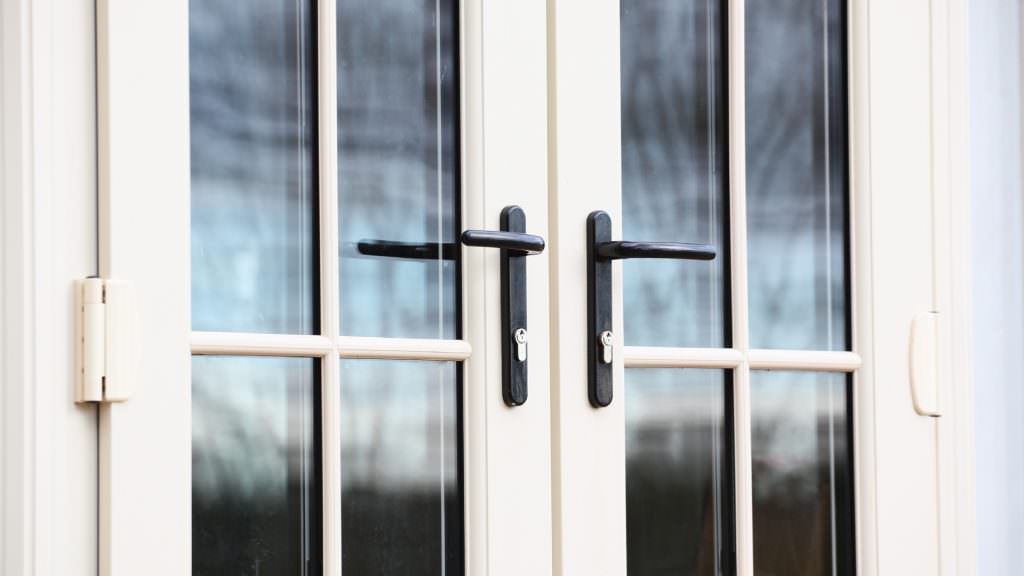
When it comes to outfitting your home with uPVC (unplasticized polyvinyl chloride) doors, one of the seemingly small decisions, choosing between budget and premium door handles, can have a surprisingly big impact.
Door handles might not be the first thing homeowners think about when renovating or building, but in terms of durability, performance, aesthetics, and long-term value, the choice matters. In this article, we explore what separates budget uPVC door handles from their premium counterparts, and help you decide what’s really worth your money.
What Are uPVC Door Handles?
uPVC door handles are specifically designed for doors made from uPVC—a durable, low-maintenance plastic commonly used in windows and doors. uPVC door handles come in a range of styles, finishes, and locking mechanisms, and are essential components that connect functionality with design.
Despite being a small part of the door system, they play a pivotal role in usability and security. The price range for uPVC handles varies widely, influenced by materials, manufacturing quality, design, warranty, and sometimes branding.
Before we get into the nitty-gritty, let’s define what we mean by budget vs premium handles:
Budget uPVC Handles: These are typically more affordable, basic handles made from lower-cost materials and manufacturing processes, often aimed at new builds, rental properties, or cost-conscious buyers.
Premium uPVC Handles: Higher-end options that use better materials, refined mechanisms, improved durability, and often enhanced aesthetics. They’re marketed toward discerning homeowners, long-term renovations, or properties where quality and longevity matter.
1. Cost Differences — Not Just the Price Tag
The most obvious difference between budget and premium handles is price. Budget models are cheaper upfront—sometimes significantly so. At first glance, saving money here seems sensible, especially if you’re outfitting an entire property.
However, cost isn’t just about what you pay at the checkout. The total cost of ownership matters. If a budget handle wears out quickly or fails prematurely, the costs of replacement, potential fines (in tenant properties), and inconvenience can add up. On the other hand, premium handles might cost more initially but deliver greater durability and reliability, reducing long-term expenditures.
In summary:
Budget: Lower upfront cost
Premium: Higher initial investment, often lower lifecycle cost
2. Material & Build Quality — A Core Distinction
The performance of a door handle depends heavily on the materials used and the precision of its construction.
Materials
Budget Handles:
Often made from zinc alloy or lower-grade metals
Plating/coating may be thinner
Prone to scratches, wear, and corrosion over time
Premium Handles:
Typically use higher-grade metals such as stainless steel or brass
Better surface finishes (anodised aluminium, high-quality powder-coat)
Designed to resist corrosion and colour fading
Build Quality
Premium handles usually have tighter tolerances in manufacturing. That means smoother operation and less chance of looseness or wobbling over time. Budget hardware can feel less solid; the mechanism may feel “cheap” or less smooth when turning the handle.
Key takeaway: Material quality translates directly into handle longevity and tactile experience.
3. Durability & Performance — How They Hold Up Over Time
Wear & Tear
uPVC doors are used multiple times a day—especially in busy households. Handles undergo frequent twisting, pushing, and pulling, so they must withstand repeated use.
Budget options: May start to wear after a few years. Handles can loosen, finish can degrade, and internal components may fail.
Premium options: Designed to withstand higher cycle counts. Many are tested for tens of thousands of operations.
Hardware Mechanism
Premium handles often integrate better quality springs and locking mechanisms, making them:
Easier to operate
Less prone to jamming or misalignment
More resistant to sagging or loosening over time
These factors contribute to an overall better user experience and longer functional life.
4. Security Features — A Critical Consideration
Door handles aren’t just decorative; they contribute to your door’s security.
Budget Handles:
May have simpler locking systems
Less resistance to forced entry
Basic spindle and screw fixings
Premium Handles:
Often come with enhanced security features
Anti-snap technology
Reinforced fixings
Multi-point locking compatibility
Better resistance to torque and forced entry
While the handle alone isn’t a complete security system, pairing a premium handle with a robust multi-point lock can significantly increase your home’s security compared to a basic handle and lock setup.
5. Aesthetics & Design — More Than Just Looks
The style of your door handle contributes to your home’s overall look, and this is an area premium handles often shine.
Finishes
Budget handles generally offer limited finishes (white, silver). Premium handles come in:
Brushed nickel
Chrome
Black
Bronze
Custom finishes
These finishes are usually longer lasting and more resistant to tarnish or wear.
Design Options
Premium ranges tend to include more sophisticated designs, ergonomic shapes, and smoother contours that elevate the visual appeal of your doors.
Design matters especially when:
You’re renovating with a cohesive interior/exterior aesthetic
You want handles to complement architectural details
You’re looking to add perceived value to your home
6. Warranty & After-Sales Support
Many premium handle manufacturers include longer warranties (5–10 years or more), reflecting their confidence in product durability. Some budget options come with minimal or no warranties, meaning any defect or failure could cost you more in the long run.
Warranty coverage often includes:
Mechanism failure
Finish degradation
Corrosion
Manufacturer defects
This peace of mind is valuable—especially if handles are installed in high-use areas.
7. Installation & Fit – Does Price Affect It?
The installation process for budget and premium handles is often similar if they’re designed for the same door system. However:
Premium handles usually have better engineering tolerances, so fitting is smoother.
They may include more comprehensive instructions or installation kits.
Some premium options offer adjustable or modular designs that accommodate minor door misalignments.
Budget handles might require more fiddling during installation or adjustments post-fitting.
8. Environmental Considerations
Increasingly, homeowners care about sustainability.
Premium handles may use recycled materials, eco-friendly finishes, and more responsible manufacturing processes.
Budget handles sometimes prioritise cost over environmental impact.
If sustainability is important to you, check manufacturers’ claims and certifications.
9. When a Budget Handle Makes Sense
Budget uPVC handles aren’t inherently bad. They’re suitable when:
You’re on a tight budget
It’s a rental or temporary installation
Handles are in low-use areas
You plan to upgrade later
In these cases, a basic handle can serve its purpose without substantially impacting performance.
10. When to Invest in Premium
Premium uPVC handles are worth it if:
- Doors are used frequently (front/back doors)
- You care about security and long-term reliability
- Aesthetic quality matters
- You want a longer warranty
- You want good resale value on your property
They’re especially compelling in primary entryways, family homes, or luxury renovations.


Freight Forwarding Services in Canada: How Progressive Cargo Simplifies Global Logistics
Freight forwarding plays a crucial role in today’s interconnected global economy. Business…