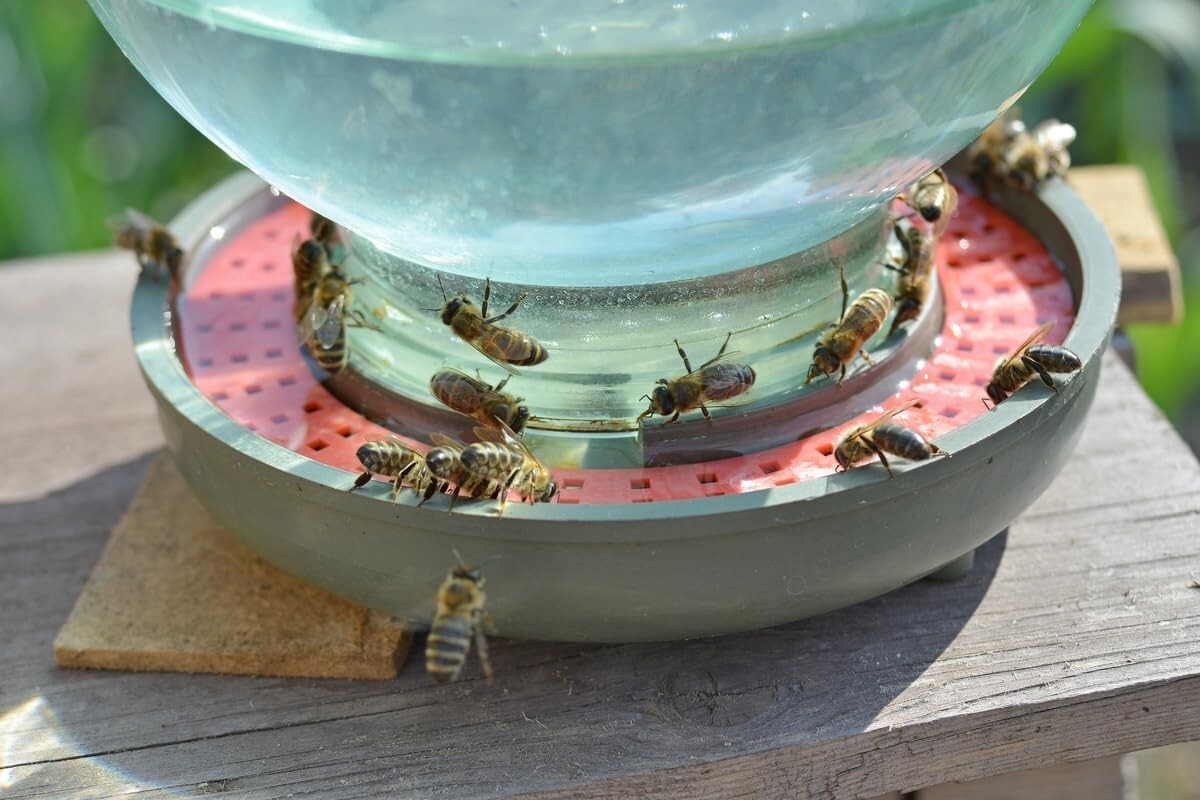
Garden environments often include decorative water elements that enhance tranquility while supporting local wildlife diversity. However, water sources can unintentionally attract pollinators seeking hydration and shelter. Understanding why bees respond to these environments helps homeowners design safer, balanced outdoor spaces. Bees require water for temperature regulation, hive maintenance, and survival during dry periods. Consequently, garden water features become appealing when alternative water sources remain limited nearby. Still, thoughtful design choices can minimize risks while preserving aesthetic appeal. Homeowners benefit by learning how bees perceive environmental cues around water. This awareness forms the foundation for practical prevention strategies that maintain harmony between nature and recreation. By managing water accessibility carefully, families reduce unwanted nesting without harming beneficial species. Creating awareness ensures outdoor spaces remain functional, safe, and visually pleasing throughout changing seasonal conditions.
Garden ecosystems naturally balance plants, insects, and water through predictable ecological relationships. Bees interpret reflective surfaces, moisture, and plant proximity as indicators of resource availability. Therefore, garden water features positioned near flowering plants may amplify attraction signals unintentionally. Shallow basins, dripping fountains, and stagnant pools increase appeal during warmer months. When water remains undisturbed, bees may begin regular visitation patterns, increasing colonization likelihood nearby. Awareness of these behavioral patterns helps homeowners design water installations responsibly. With knowledge-driven planning, outdoor features remain enjoyable without encouraging nesting behaviors. Prevention begins with understanding attraction mechanisms rather than relying on reactive solutions later. This proactive mindset protects children, pets, and beneficial insects simultaneously.
Designing Garden Water Features With Bee Prevention in Mind
Intentional design choices significantly reduce the likelihood that bees settle near household water elements. Flowing water discourages prolonged insect presence by disrupting access points and landing stability. Circulation systems maintain movement while preventing stagnation that attracts foraging bees. Placement also matters, as distance from flowering plants lowers attraction intensity naturally. When garden water features remain visually appealing yet dynamically active, bees often seek calmer alternatives elsewhere. Incorporating deeper reservoirs with steep edges further limits insect access safely. These features satisfy aesthetic goals while discouraging repeated visits from pollinators. Design adjustments eliminate dependency on chemical deterrents, supporting environmentally responsible landscaping practices.
Surface texture influences insect interaction, as smooth materials provide fewer grip opportunities. Polished stone, glazed ceramic, or sealed concrete reduce landing success significantly. Additionally, regular maintenance prevents algae growth, which otherwise attracts insects seeking nutrients. Homeowners benefit by scheduling consistent cleaning routines to maintain water clarity. Shade management also plays a critical role, since bees prefer warm, sunlit hydration areas. Locating water features partially shaded lowers appeal naturally without visual compromise. Through intentional material selection and strategic placement, families protect play areas effectively. These design principles ensure outdoor enjoyment while minimizing unexpected ecological disruptions.
Maintenance Strategies That Support Garden Water Features Safely
Ongoing maintenance determines whether outdoor water installations remain neutral or become insect attractants. Regular water circulation prevents stagnation, reducing conditions bees favor for hydration. Filters should be inspected frequently to maintain consistent flow and cleanliness. Debris accumulation introduces organic matter, which increases attractiveness to pollinators unintentionally. Therefore, skimming leaves and plant residue becomes essential preventative practice. Homeowners who prioritize cleanliness experience fewer recurring insect interactions around leisure spaces.
Water chemistry also influences insect behavior, even without chemical additives. Fresh, oxygenated water discourages lingering visitation compared to warm, stagnant alternatives. Draining and refilling systems periodically refreshes conditions and disrupts established visitation patterns. During peak summer months, increased evaporation demands closer monitoring. Consistent oversight ensures water remains visually appealing without becoming biologically inviting. These maintenance habits preserve both functionality and safety throughout seasonal transitions.
Additionally, monitoring surrounding landscaping reinforces preventative efforts effectively. Overgrown plants provide shade and shelter that attractively complement water availability. Trimming vegetation near water features limits resting zones bees prefer. Mulch replacement and soil management further reduce nesting opportunities nearby. Through integrated maintenance routines, families establish layered prevention systems. These strategies work collectively to reduce reliance on intervention services later. A disciplined maintenance schedule ensures long-term success without sacrificing design integrity or environmental responsibility.
Managing Bee Activity Responsibly
Despite preventive measures, occasional bee activity may still occur near residential water installations. Early identification prevents escalation into nesting behaviors that compromise safety. Observing consistent flight paths, hovering, or clustering indicates developing patterns requiring intervention. Homeowners should respond calmly without disrupting bees aggressively, which increases sting risks. Non-invasive observation supports informed decision-making before activity intensifies.
When activity persists despite design and maintenance efforts, professional guidance becomes appropriate. Integrated pest management principles emphasize relocation rather than eradication whenever possible. In such cases, consulting a trusted bee removal service in Burbank, LA ensures humane, compliant resolution without environmental harm. Expert assessment identifies underlying attractants homeowners may overlook independently. Professional involvement complements preventive design by addressing established colonies safely. This approach balances human safety with ecological responsibility effectively.
Responsible intervention prevents future recurrence by correcting contributing environmental factors. Specialists often recommend targeted modifications that align with existing garden layouts. These recommendations enhance long-term prevention while preserving outdoor enjoyment. By viewing professional support as collaborative rather than corrective, homeowners maintain control over environmental stewardship. This perspective ensures sustainable coexistence with beneficial pollinators while prioritizing family safety.
Creating Long-Term Balance
Sustainable outdoor environments prioritize balance rather than complete exclusion of natural elements. Garden water features can coexist with pollinators when designed and maintained thoughtfully. Long-term success depends on consistent observation, adaptation, and informed adjustments over time. Homeowners benefit from seasonal reviews that assess water usage, placement, and surrounding landscaping changes. This adaptive approach responds to evolving environmental conditions effectively.
Educational awareness further strengthens prevention strategies across households and communities. Understanding bee ecology promotes respectful coexistence while protecting vulnerable family members. Sharing insights encourages broader adoption of environmentally responsible design practices. As more homeowners implement thoughtful prevention, neighborhood-wide impacts reduce overall nesting risks. Collective awareness amplifies individual efforts meaningfully.
Ultimately, responsible design empowers families to enjoy outdoor spaces confidently. Garden water features remain sources of relaxation rather than concern through informed management. By integrating prevention into design, maintenance, and observation, homeowners create enduring harmony. This balanced approach supports biodiversity while safeguarding recreational spaces sustainably. Thoughtful stewardship ensures gardens remain inviting, safe, and environmentally aligned for years to come.
Freight Forwarding Services in Canada: How Progressive Cargo Simplifies Global Logistics
Freight forwarding plays a crucial role in today’s interconnected global economy. Business…