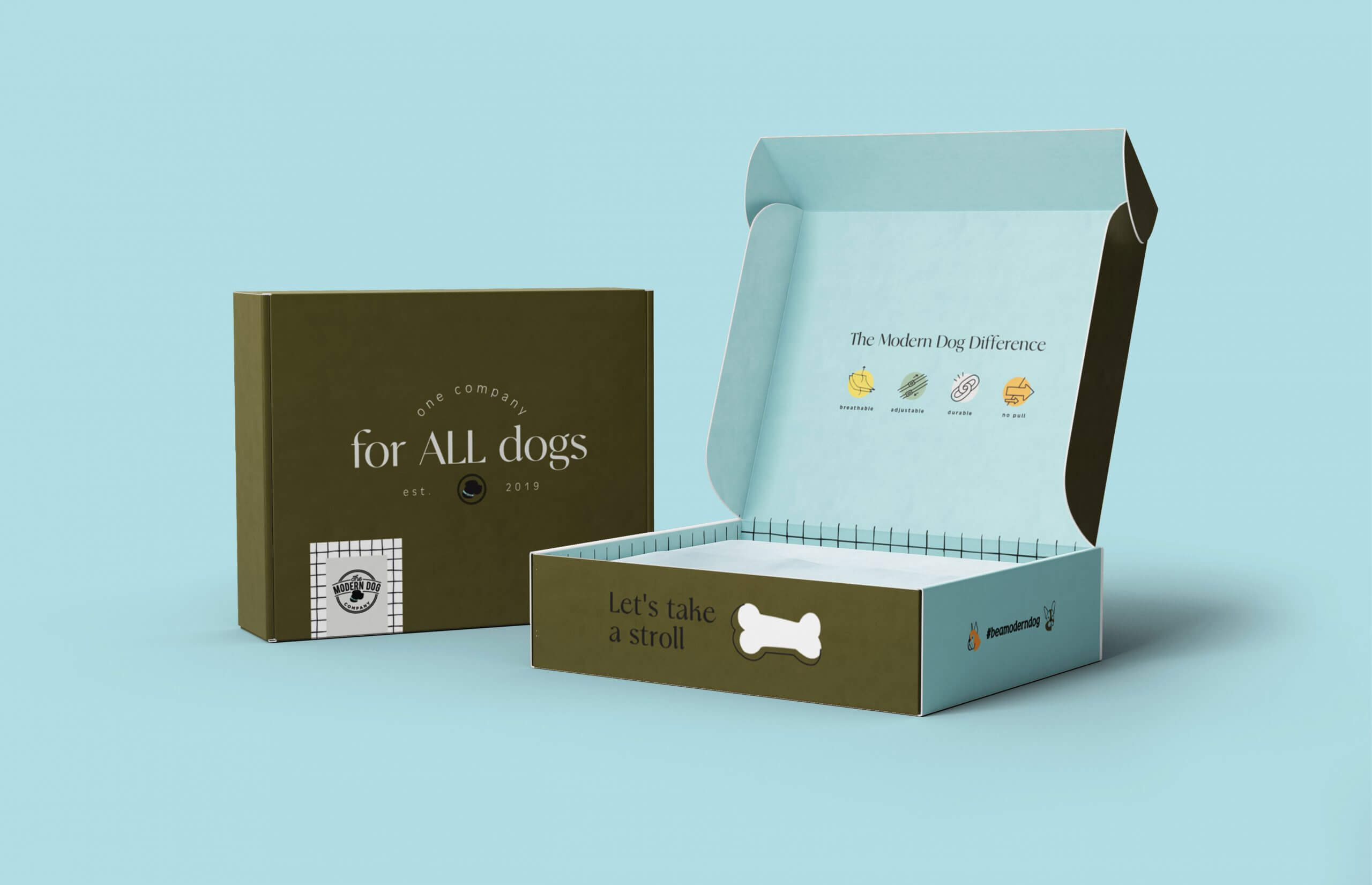
Packaging is no longer a silent wrapper. It now plays an active role in product value. Brands that think beyond the box create smarter, useful, and memorable experiences for users.
Packaging as a Functional Part of the Product Experience
Modern consumers expect more from what they buy. They want value, ease, and purpose. Packaging can meet these needs when it becomes part of the product itself. This shift changes how people interact with products from the first touch. It also improves satisfaction over time. When packaging serves a function, waste is reduced. The customer does not throw it away immediately. Instead, it stays useful. This approach supports sustainability goals naturally. It also saves space and materials. Brands gain trust through thoughtful design choices.
Functional packaging can support storage, use, or maintenance. For example, containers can become organizers. Sleeves can act as stands. Boxes can turn into refill systems. These ideas extend the product’s life. They also improve convenience for users.
This strategy requires deep research. Designers must understand user behavior clearly. They need to study how people open, use, and store products. This insight guides custom packaging boxes decisions. Each design choice must solve a real problem.
Some key functional roles packaging can play include:
- Acting as a storage unit after purchase
- Supporting product use during daily routines
- Protecting the product during repeated use
- Helping with refills or replacements
These roles increase perceived value. Customers feel they receive more for their money. They also remember the brand longer. Functional packaging builds emotional connection without extra marketing. From my experience, brands that adopt this mindset reduce returns. They also see higher repeat purchases. People talk about products that feel intelligent. Packaging becomes part of the story. It no longer feels separate or disposable.
Sustainability Through Integrated Packaging Design
Sustainability works best when it feels natural. Integrated packaging achieves this without forcing behavior. Users keep and reuse packaging because it helps them. This reduces waste without effort. Traditional packaging often ends in the trash quickly. Integrated designs slow this process. They replace single-use materials with long-term value. This supports environmental goals in a practical way.
Designers now focus on minimal materials. They choose structures that serve multiple purposes. This reduces excess layers. It also lowers shipping weight. These choices cut emissions across the supply chain. Integrated packaging also supports circular design. Parts can be reused, refilled, or recycled easily. Clear instructions help users act responsibly. The packaging guides them without confusion.
Common sustainable integration approaches include:
- Reusable containers designed for long-term use
- Packaging that transforms into a household item
- Refill-ready designs that reduce repeat waste
- Materials chosen for easy recycling
These approaches improve brand credibility. Consumers notice honest efforts. They trust brands that make sustainability easy. This trust leads to loyalty. From a research perspective, integrated packaging aligns with global trends. Regulations now favor waste reduction. Brands that adapt early gain advantage. They avoid future compliance issues. I have seen companies lower costs through this method. They use fewer materials over time. They also spend less on disposal concerns. Sustainable integration benefits both planet and profit.
Brand Identity and Emotional Connection Through Design
Packaging speaks before the product does. When it integrates with the product, the message becomes stronger. The brand feels thoughtful and human. This emotional link matters deeply.
Integrated packaging allows storytelling. Each fold, shape, and function reflects brand values. Users experience these values daily. This builds familiarity and trust. Design consistency plays a key role. The packaging must match the product’s purpose. It should feel intentional. Random features confuse users. Clear design builds confidence. This approach also supports premium positioning. Products feel more refined. Users sense care in every detail. This perception increases willingness to pay. Integrated packaging helps brands stand out in crowded markets. Shelves are full of similar products. Functional design creates differentiation. People remember what feels useful.
From my professional experience, emotional design drives word-of-mouth. Users share smart packaging online. They show friends and family. This organic marketing holds strong value. This is where custom shipping boxes can support brand goals when designed thoughtfully. When shipping materials reflect the same integrated mindset, the experience stays consistent. The product journey feels complete.
Brand identity grows through repeated positive interactions. Integrated packaging ensures these moments happen often. Each use reinforces trust and recognition.
Innovation and Future Opportunities in Packaging Integration
The future of packaging lies in innovation. Technology and design now work together closely. This creates new integration possibilities. Brands that invest early will lead markets. Smart packaging is gaining attention. Sensors and indicators add value. They help users track freshness or usage. These features integrate naturally with product function. Modular designs also show promise. Packaging adapts to different needs. Users can change parts based on use. This flexibility improves satisfaction.
Digital tools support better design testing. Brands can simulate user behavior. They refine packaging before launch. This reduces failure risk.
Innovation also supports accessibility. Integrated packaging can help users with limited mobility. Easy-open features improve inclusivity. This expands market reach. From research insights, consumers reward innovation. They associate it with quality. They trust brands that evolve thoughtfully.Future integration will focus on simplicity. Complex designs often fail. Clear purpose wins. Each feature must justify its presence.
In my experience, the best innovations feel obvious. Users wonder why it was not done earlier. This reaction signals success.
Packaging will continue to evolve. It will no longer be an afterthought. Integrated design places it at the center of product strategy. Brands that understand this will thrive.
Conclusion
Integrating packaging into the products itself transform the way users interact with items. It shift packaging from disposable weapper into functional, sustainable, and memorable experience. This approach will improve conenience, supports the enviroments, and builds strong emotional connection with consumer. By creating packaging that serves purpose beyoned protection, brands can increase perceived value, loyalty, and recognition.
Sustainability benefits are significant because integrated packaging encourage reuse and reduces waste naturally. Functional designs that double as storage, refill systems, or daily use itmes make life easier for consumers. At the same time, these designs help companies reduce material costs and shipping impact. Thoughtful materials and clear guidance also ensure users act responsibly, reinforcing trust in the brand. From a marketing perspective, integrated packaging strengthens brand identity.
Freight Forwarding Services in Canada: How Progressive Cargo Simplifies Global Logistics
Freight forwarding plays a crucial role in today’s interconnected global economy. Business…