
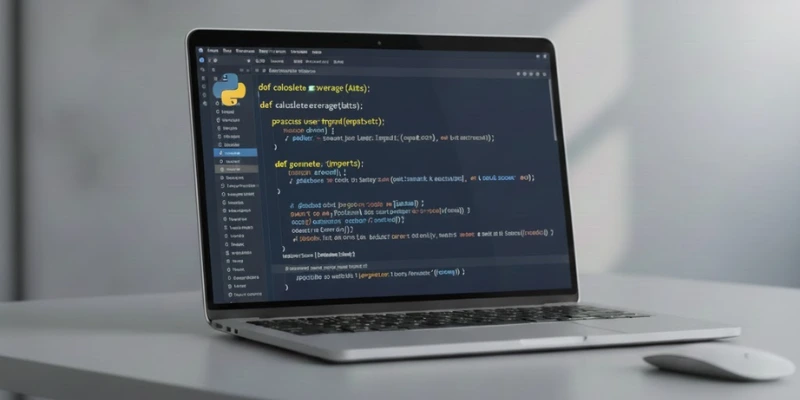
For many beginners, Python feels easy at first but becomes confusing when programs start growing longer and repetitive. This is where functions make learning smoother and more career-focused. Functions help you organize logic, reduce errors, and think like a real developer. Learners who start with structured guidance, such as Python Course in Trichy, often understand functions faster because they see how reusable code directly connects to real projects and interview expectations.
Understanding the Concept of Functions
Functions in Python are blocks of reusable code designed to perform a specific task. Instead of writing the same logic again and again, you define it once and call it whenever needed. This approach improves clarity and saves time. For beginners, functions introduce structured thinking, which is essential for writing readable and maintainable programs as applications become more complex.
Why Functions Matter in Real Programs
As programs grow, managing everything inside one file becomes difficult. Functions break problems into smaller, manageable parts. Each function handles one responsibility, making debugging easier. This concept reflects how real software systems are built in companies, where modular code helps teams collaborate efficiently and reduce errors during development and testing.
How to Define and Call a Function
In Python, a function is created using the def keyword followed by a function name and parentheses. Inside the function, you write the logic it should perform. Calling a function simply means using its name followed by parentheses. This simplicity makes Python beginner-friendly while still supporting powerful programming concepts used in enterprise-level applications.
Function Parameters and Arguments Explained
Parameters allow functions to accept input values, making them flexible. Arguments are the actual values passed when calling a function. Understanding this difference is important for writing dynamic code. This idea also helps learners transition smoothly into other languages, where similar concepts exist, which is why concepts taught alongside Java Course in Erode often feel familiar and easier to grasp.
Return Values and Output Control
Functions can return values using the return keyword. This allows one function to send results to another part of the program. Return values help build logical workflows where data flows cleanly between different parts of an application. Beginners often realize here that functions are not just for printing output but for building intelligent, connected logic.
Types of Functions in Python
Python supports built-in functions like len() and type(), as well as user-defined functions created by programmers. It also includes anonymous functions called lambda functions. Learning these variations helps beginners understand when to use simple logic and when more structured functions are needed, especially in data processing and automation tasks.
Functions and Career-Oriented Coding Practices
In professional environments, clean code matters more than quick code. Functions encourage documentation, testing, and reusability. These habits prepare learners for interviews where explaining logic is just as important as writing it. As job demand increases in regional tech hubs, learners exposed through Python Course in Erode often gain confidence by applying functions in mini-projects and real scenarios.
Common Mistakes Beginners Make with Functions
Many beginners forget to return values, misuse variable scope, or write overly long functions. These mistakes are part of learning. Understanding scope, naming functions clearly, and keeping functions focused on one task improves code quality. Employers value candidates who recognize and correct these mistakes early in their learning journey.
Functions are a turning point in learning Python because they shift learners from writing scripts to building systems. Mastering them improves logic, confidence, and interview readiness. As programming careers evolve, combining structured problem-solving with cross-language understanding becomes valuable, and foundations built alongside Java Course in Trichy help learners stay adaptable and future-ready in a competitive job market.
Also Check: Understanding Object-Oriented Programming in Java
Freight Forwarding Services in Canada: How Progressive Cargo Simplifies Global Logistics
Freight forwarding plays a crucial role in today’s interconnected global economy. Business…