
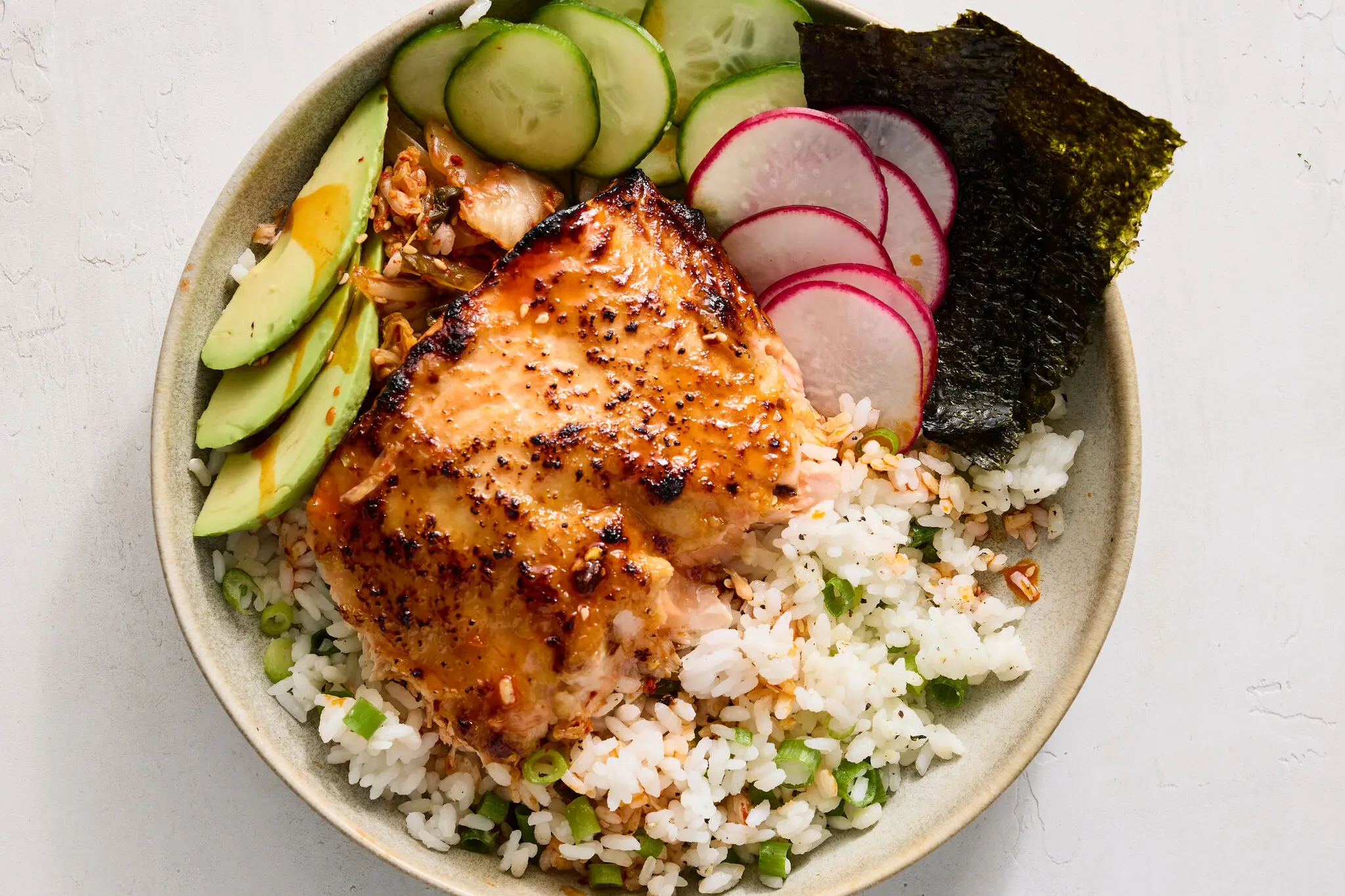
Low calorie meals are one of the best choices for people who want to eat healthy, manage weight, and still enjoy satisfying food. Many people believe low calorie eating means small portions or boring meals, but that is not true. When meals are planned correctly, they can be flavorful, filling, and packed with nutrients while keeping calories under control.
Low calorie meals focus on whole foods such as vegetables, lean protein, fruits, and whole grains. These foods provide volume and nutrients without excessive calories, making them ideal for everyday healthy eating.
Why Low Calorie Meals Are Important for a Healthy Lifestyle
Low calorie meals help support weight management, better digestion, and overall health. Eating meals that are lower in calories but rich in nutrients can help you feel full for longer, reduce overeating, and maintain steady energy levels throughout the day.
Key benefits include:
- Better portion control
- Reduced risk of overeating
- Improved metabolism
- Support for weight loss and maintenance
- Balanced nutrition without hunger
When done correctly, low calorie meals can easily become a long-term habit instead of a short-term diet.
Low Calorie Meals That Are Filling
One of the biggest concerns people have is staying full while eating fewer calories. The secret lies in choosing foods that are high in protein, fiber, and water content.
Meals that combine lean protein with vegetables tend to be the most satisfying. For example:
- Grilled chicken with steamed vegetables
- Vegetable soups with beans or lentils
- Egg-based meals with leafy greens
- Fish with salad or roasted vegetables
These meals take longer to digest and help control hunger naturally, making them ideal for anyone following a calorie-conscious diet.
Best Foods to Include in Low Calorie Meals
Vegetables
Vegetables are naturally low in calories and high in volume, which helps you feel full. Examples include broccoli, spinach, zucchini, cauliflower, bell peppers, and cucumbers.
Lean Protein
Protein plays a major role in satiety. Lean protein options include chicken breast, turkey, fish, eggs, tofu, and legumes.
Fruits
Fruits like berries, apples, oranges, and watermelon are low in calories and provide fiber and natural sweetness.
Whole Grains (in moderation)
Brown rice, quinoa, and oats provide long-lasting energy when eaten in controlled portions.
Combining these ingredients is the foundation of healthy and sustainable low calorie meals.
Simple Cooking Methods for Low Calorie Meals
How you cook your food matters just as much as what you eat. Healthier cooking methods help keep calories low without losing flavor.
Best cooking methods include:
- Grilling
- Baking
- Steaming
- Boiling
- Light sautéing with minimal oil
Avoid deep frying, heavy sauces, and excessive oils, as they add unnecessary calories.
Low Calorie Meals for Everyday Eating
Low calorie eating does not have to be complicated. You can easily prepare meals at home with basic ingredients and simple steps.
Examples of everyday low calorie meals:
- Omelet with vegetables
- Grilled fish with salad
- Stir-fried vegetables with tofu
- Lentil soup with greens
- Chicken and vegetable bowl
These meals are easy to prepare, affordable, and perfect for lunch or dinner.
Low Calorie Meals for Weight Loss
For weight loss, consistency matters more than extreme calorie restriction. Low calorie meals that are balanced help you stay full and avoid cravings.
Tips for weight loss success:
- Eat enough protein at every meal
- Add vegetables to every plate
- Drink water before meals
- Avoid sugary drinks
- Keep portions realistic
When practiced regularly, low calorie meals support gradual and sustainable weight loss.
Low Calorie Meals That Don’t Feel Like Diet Food
Healthy eating should still be enjoyable. You can add flavor without extra calories by using:
- Herbs and spices
- Lemon juice and vinegar
- Garlic and onions
- Low-calorie sauces
This helps meals taste satisfying while staying within calorie goals.
Frequently Asked Questions About Low Calorie Meals
1. What meals are filling but low in calories?
Meals that are filling but low in calories usually contain lean protein and high-fiber vegetables. Examples include grilled chicken with vegetables, vegetable soups with beans, eggs with spinach, and fish with salad. These meals provide volume and nutrients without excess calories.
2. What foods are low in calories but filling?
Foods that are low in calories but filling include vegetables, fruits, eggs, legumes, oats, Greek yogurt, and lean meats. These foods contain fiber, protein, or water, which help control hunger and keep you satisfied longer.
3. What’s the most low calorie meal?
One of the lowest calorie meals is a large vegetable-based dish with lean protein, such as vegetable soup, salad with grilled chicken, or steamed vegetables with fish. These meals offer high volume and nutrition with very few calories.
How to Make Low Calorie Meals Sustainable
To stick with low calorie eating long-term:
- Plan meals ahead
- Keep healthy snacks ready
- Cook at home more often
- Focus on balance, not perfection
When low calorie meals are enjoyable and satisfying, they become a lifestyle rather than a diet.
Final Thoughts on Low Calorie Meals
Low calorie meals are a smart and effective way to eat healthier without sacrificing flavor or satisfaction. By focusing on whole foods, simple cooking methods, and balanced nutrition, you can enjoy meals that keep you full, energized, and aligned with your health goals.
Whether your goal is weight loss, better eating habits, or overall wellness, low calorie meals can help you achieve lasting results while still enjoying the foods you love.
Freight Forwarding Services in Canada: How Progressive Cargo Simplifies Global Logistics
Freight forwarding plays a crucial role in today’s interconnected global economy. Business…